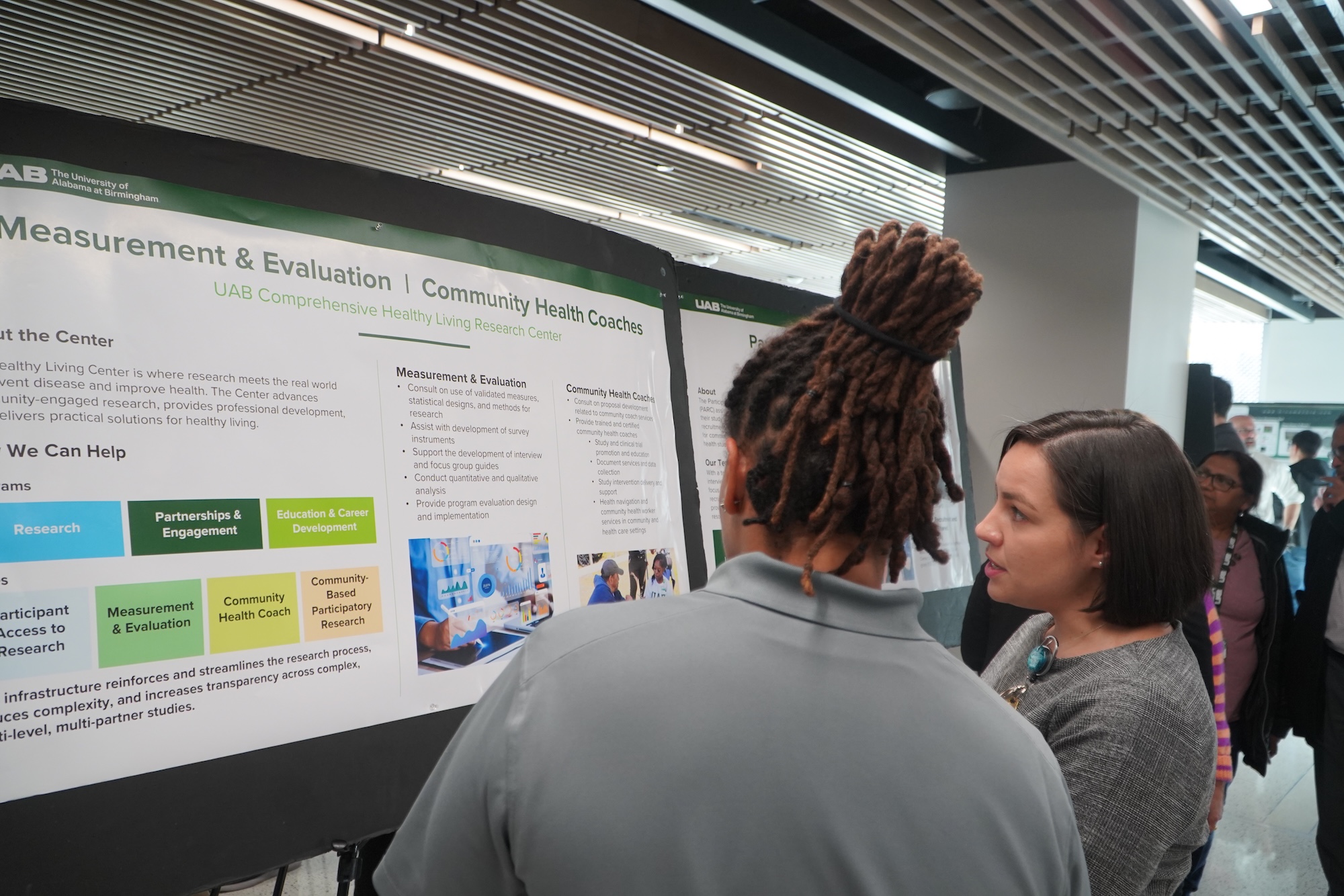
Research does not happen in isolation. Turning an idea into a well-designed study requires expertise, resources, and collaboration through every stage.
The Comprehensive Healthy Living Research Center’s Research Program brings investigators together with the infrastructure and support needed to advance community-engaged and population health research focused on chronic disease prevention and healthy living. Through the Center’s programs and cores, as well as its knowledgeable faculty and staff, investigators interested in community-engaged research can draw on support and expertise from across UAB.
The ability to make connections is a key part of the program’s role, according to Gareth Dutton, Ph.D., faculty program co-leader for the Research Program.
“We can be a matchmaker of sorts for researchers to other researchers,” Dutton said. “If you’re interested in this topic or this population or this condition, there’s someone over here doing similar or complementary work. You should get together and think about how your work could be synergistic with each other.”
Connecting investigators with expertise
Will Anderson, Ph.D., MPH, MPA, staff director of the Research Program, often serves as an initial point of contact. Along with his team, Anderson helps investigators identify funding opportunities, develop and review proposals, provides guidance on study design and budgets, plan for implementation, and more.
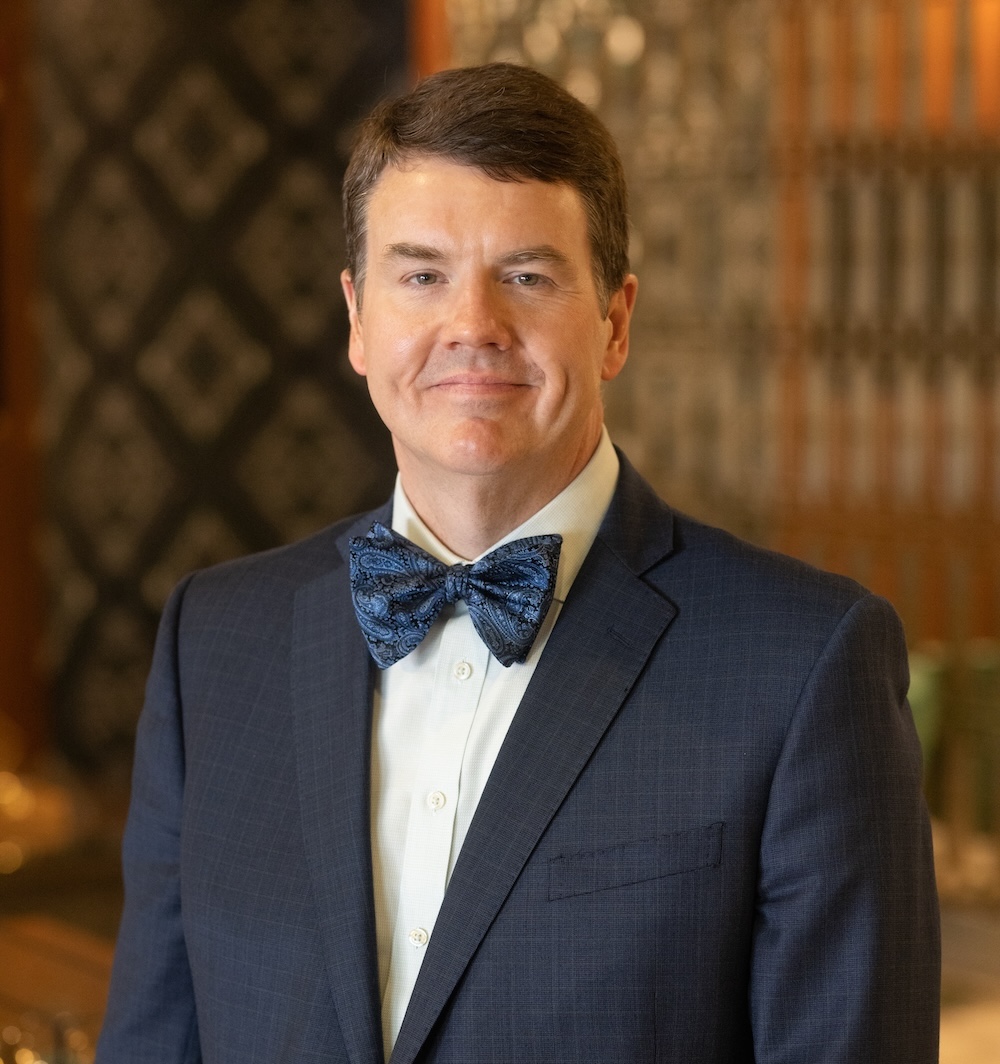 William A. Anderson, Ph.D., MPH, MPA“The Research Program can help at any point in a study’s lifecycle. We work with Center members and investigators to develop research projects, prepare grant proposals, and think through the planning and support needed to carry out their work,” said Anderson.
Some investigators come to the Center with an idea they want to develop into a competitive grant proposal. Others may already have funding but need expertise in a particular area, such as data analysis, participant recruitment, or community engagement.
Meeting those varied needs can also involve drawing on resources beyond the Research Program itself.
“The Center has different cores that offer expertise-filling gaps that may not be available otherwise within the School of Medicine and, at times, across the campus,” said Rena Patel, M.D., MPH, faculty program co-leader for the Research Program.
Together, those resources give investigators a foundation of expertise and a network of support that can be difficult to duplicate within an individual research team assembled for one study.
Building research around community
A key area of highly-specialized expertise offered by the center is community-engaged research.
Investigators may have extensive experience in a particular disease or research method but less experience developing community partnerships. Unlike other aspects of a study, those relationships cannot simply begin when researchers need participants or data. That is not community-engaged research.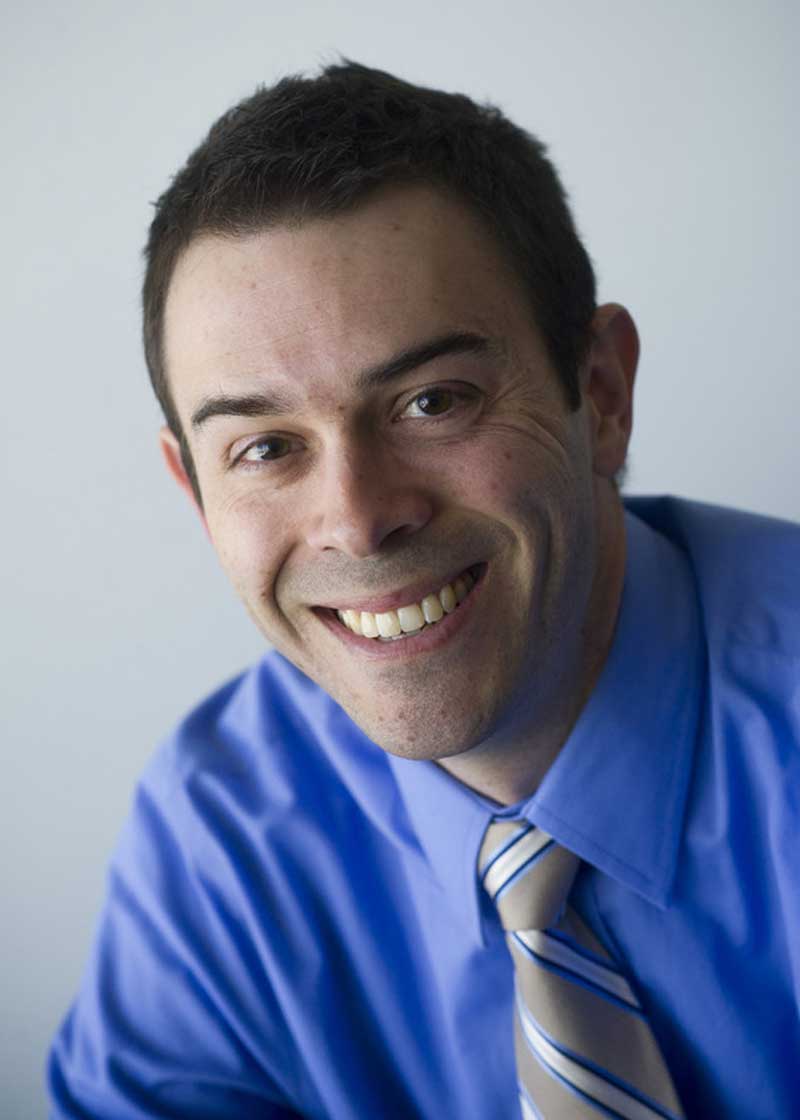 Gareth Dutton, Ph.D.
According to Dutton, one of the most important distinctions is that community-engaged research does not start with researchers arriving with a predetermined solution or study. Instead, researchers and community partners work together to identify priorities and shape research that reflects the needs of the people it is intended to serve.
“The research that you develop is co-designed. That way, it addresses concerns and issues that are important to the community and is done in a way that’s acceptable to them,” Dutton said.
Leveraging the Center’s community-focused resources and existing partnerships, the Research Program can help investigators identify potential partners and consider ways to meaningfully involve community members throughout the research process.
Just as importantly as when it begins, those relationships should not disappear when a project ends.
Dutton emphasized that sustainable community-engaged research requires investigators to remain invested in the partnerships they have built, rather than entering a community for a single project, collecting data, and leaving. Researchers and communities should work together on interpretation and dissemination of results, and find ways to continue their collaborative work.
Working through those processes and maintaining those relationships can strengthen trust while creating opportunities for communities and researchers to continue building on what they have learned together.
Supporting research over time
The Cancer Awareness, Research, Engagement, and Support (CARES) Center offers one example of how research support can evolve alongside a project.
When the funding opportunity that would eventually support CARES emerged, Anderson and the team helped develop the proposal. After CARES received funding from the National Cancer Institute, programs and cores across The Healthy Living Center continued supporting its needs, including participant recruitment, community engagement, and communications.
That same emphasis on developing research for the future can be seen in the Center’s pilot funding initiative. The program supports innovative community-engaged and population health studies addressing chronic disease, giving investigators an opportunity to test new ideas and generate knowledge that can provide a foundation for larger studies.
“The main goal of pilot funding is to support research that lays the groundwork for something bigger down the road,” Anderson said.
Moving projects forward
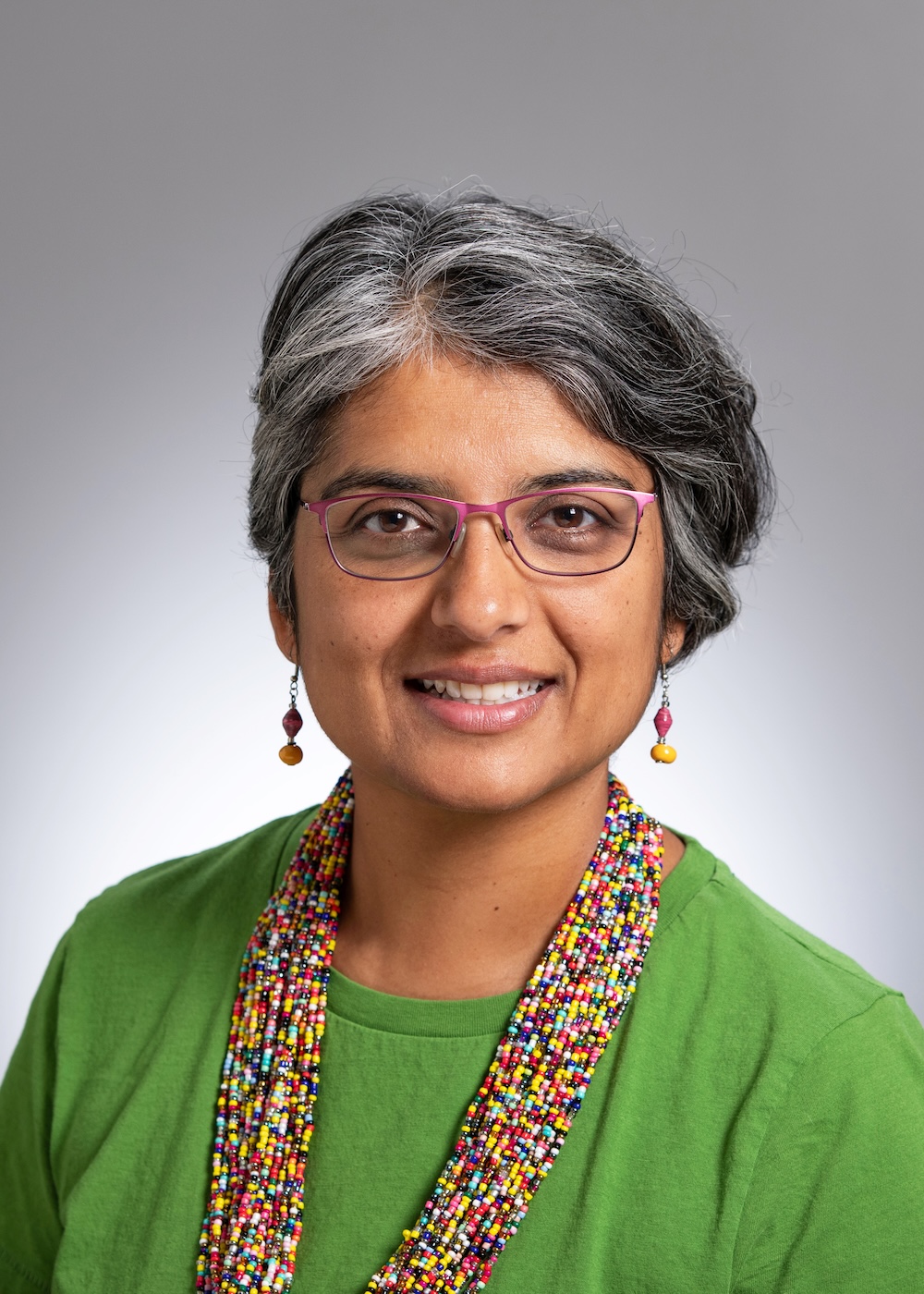 Rena Patel, M.D., MPHAs the Center continues to grow, the Research Program’s role not only continues to serve as a resource for scientists, but it also uses what was learned to advance and facilitate new research.
“I want it to be a resource that helps catapult projects forward that work at the interface of community or population-level health,” Patel said.
For Patel, the ultimate vision is not only to move individual projects forward, but to ensure communities have a meaningful role in shaping research intended to serve them.
“If we can make community partners front and center of all of this work, that would be a really great achievement for the Center,” Patel said.
Request the Research Program’s services for your project
The Research Program works with investigators to strengthen research focused on chronic disease prevention and healthy living, increase competitiveness for extramural funding, and advance the science of healthy living. Investigators can access support at any stage of their research.
Services include:
- Identifying external funding opportunities
- Providing pilot funding
- Consulting on concept development and study design
- Consulting and collaborating on proposal preparation and budget development
- Reviewing proposals
- Strategizing and planning for post-award implementation
- Connecting investigators with services and cores within the Center and partner centers
- Identifying potential research collaborators and co-investigators
To learn more about the Research Program or request services for your project, visit the Research Program webpage.