Explore UAB

Articles Tagged
Comprehensive Healthy Living Research Center Published 1 day ago

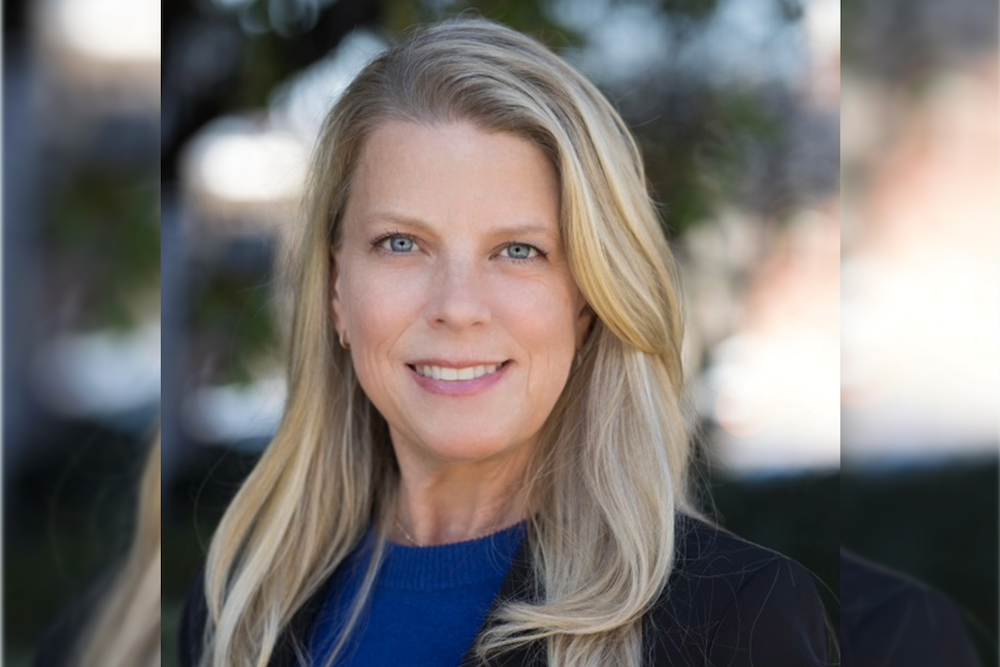
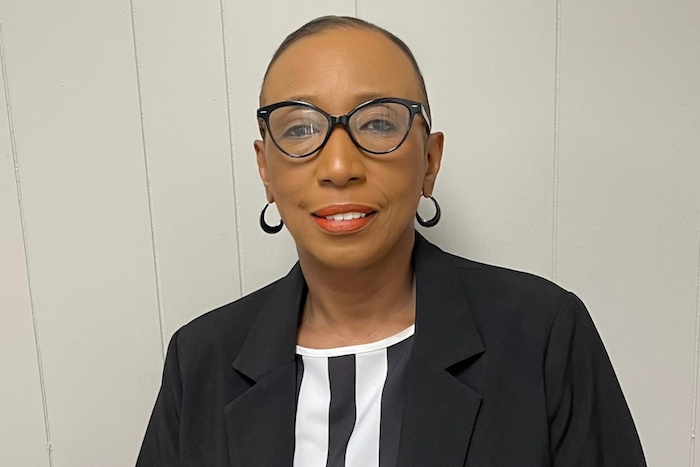
At the beginning of each year, many people set health-related goals with the best of intentions. Yet within a few months, those goals often fall away. While this pattern can feel discouraging, it is not a failure of motivation or discipline. Instead, it reflects how the brain, as well as our environment, form – and resist – behavioral change. Dr. Gareth Dutton is a professor of General Internal Medicine and Population Science at UAB and Research Program faculty co-lead for the UAB Comprehensive Healthy Living Research Center.Gareth Dutton, Ph.D. “What a habit is, fundamentally, is an automatic response triggered by environmental cues you’ve established. It’s a form of associative learning.” In other words, habits are less about conscious effort and more about patterns the brain learns over time. Understanding this process can help people adopt healthier behaviors in ways that are more realistic and sustainable. For individuals with busy schedules or circumstances that make healthy behaviors more difficult, habits may not become fully automatic. In these cases, environmental cues play a critical role. Dr. Dutton recommends designing environments that prompt healthy behaviors, a concept known as choice architecture. “Think about how you can design your environment to maximize your chance of success,” he said. For individuals, visual reminders, phone alarms, placing healthy foods in visible locations, or keeping walking shoes near the door reduce reliance on memory and motivation, making consistency more achievable. The Process of Habit Formation Many people believe that successfully developing habits comes from trying harder or staying motivated. In reality, motivation fluctuates, while habits depend on consistency, context, and repetition. “The goal of habit formation,” Dr. Dutton said, “is to move toward automaticity, where the behavior happens with less effort and less thinking.” Automatic behaviors occur with minimal decision-making and are often triggered by familiar cues such as time of day, location, or an existing routine. The more consistently a behavior is repeated in the same context, the more likely it is to become automatic. Linking New Behaviors to Established Routines One effective strategy for habit formation is pairing new behaviors with routines that are already well established. Dr. Dutton gives an example: “If you’re already doing something consistently like brushing your teeth or making coffee, that’s the perfect place to attach a new habit.” By linking a new behavior to an existing cue, the brain does not have to decide when to act – it simply follows the learned pattern. This approach, often called habit stacking, reduces cognitive effort and increases the likelihood of repetition. This same principle applies directly to nutrition and movement habits. Replacing Habits Rather Than Eliminating Them Breaking unhealthy habits can be particularly challenging if no alternative behavior is in place. “When you’re trying to break a habit,” Dr. Dutton said, “you almost always need a replacement behavior. It’s very hard to just stop without filling that gap.” Rather than attempting to eliminate a habit entirely, replacing it allows the brain to respond to familiar cues in a healthier way. For example, replacing a sugary snack with fruit and yogurt, or substituting a short walk for stress-driven screen time, preserves the habit structure while changing the outcome. This replacement strategy becomes especially important when introducing dietary changes. Building Health Through Gradual Dietary Changes Suzanne Judd, Ph.D.A common barrier to lasting change is starting with goals that are too ambitious. Large-scale lifestyle changes require significant planning and mental energy, making them harder to sustain. Dr. Suzanne Judd, Chair of the UAB Health Behavior Department and assistant director for research at the Healthy Living Center, encourages people to view diet as a gradual progression toward balance rather than focusing on eliminating foods. “There is no such thing as a ‘good food’ or a ‘bad food,’” she said. “Anything that claims there’s a quick fix is going to lead people down another rabbit hole. Food is medicine. Your body is better able to use nutrients when they come from real foods.” Dr. Dutton’s behavioral research reinforces this approach. He noted that the brain is wired to prioritize short-term rewards, even when long-term benefits are clear. “In the moment, a high-calorie or highly palatable food is immediately rewarding,” he explained. “The health benefits we’re working toward are long-term, which makes behavior change challenging.” This is why gradual, repeatable dietary changes are more effective than rigid rules. Over time, as healthier foods become part of routine patterns, the behaviors themselves become reinforcing. Each change can be layered onto existing meals, reinforcing habit loops rather than disrupting them. “When starting to establish change, just get berries in your diet,” said Dr. Judd. This is a practical starting point: berries are widely available, easy to incorporate into meals, and rich in vitamins, minerals, and anti-inflammatory compounds. Just as importantly, this approach emphasizes addition rather than restriction, making it easier to integrate into existing routines. Movement as a Daily (and Social) Practice Physical activity is another foundational habit, yet it is often narrowly defined as structured exercise. “By movement, I don’t mean the gym,” Dr. Judd said. “I mean getting up and taking a 10-minute walk, or even just moving around your house.” Dr. Dutton added that people themselves can function as cues. “Social support and accountability are powerful,” he explained. “If you know someone else is counting on you, you’re more likely to follow through.” Progress Is Rarely Linear Setbacks are a normal part of behavior change and should not be interpreted as failure. “Slips are going to happen,” Dr. Dutton noted. “What matters isn’t the slip itself; it’s how you respond to it. Give yourself patience and compassion and know that you can start again.” Missing one day does not undo progress. Habits are built through repeated return, not perfection. A Sustainable Path Forward Lasting healthy habits are not built through rigid rules or extreme changes. They develop through small, consistent actions that align with how the brain learns. As Dr. Dutton summarized, habits become sustainable when “the behavior happens with less effort and less thinking.” And as Dr. Judd reminds us, meaningful change is rarely dramatic: “It’s just a bunch of little steps.” Together, these strategies offer a practical, evidence-based approach to building good habits: one grounded in patience, consistency, and compassion.

Comprehensive Healthy Living Research Center Published 57 days ago

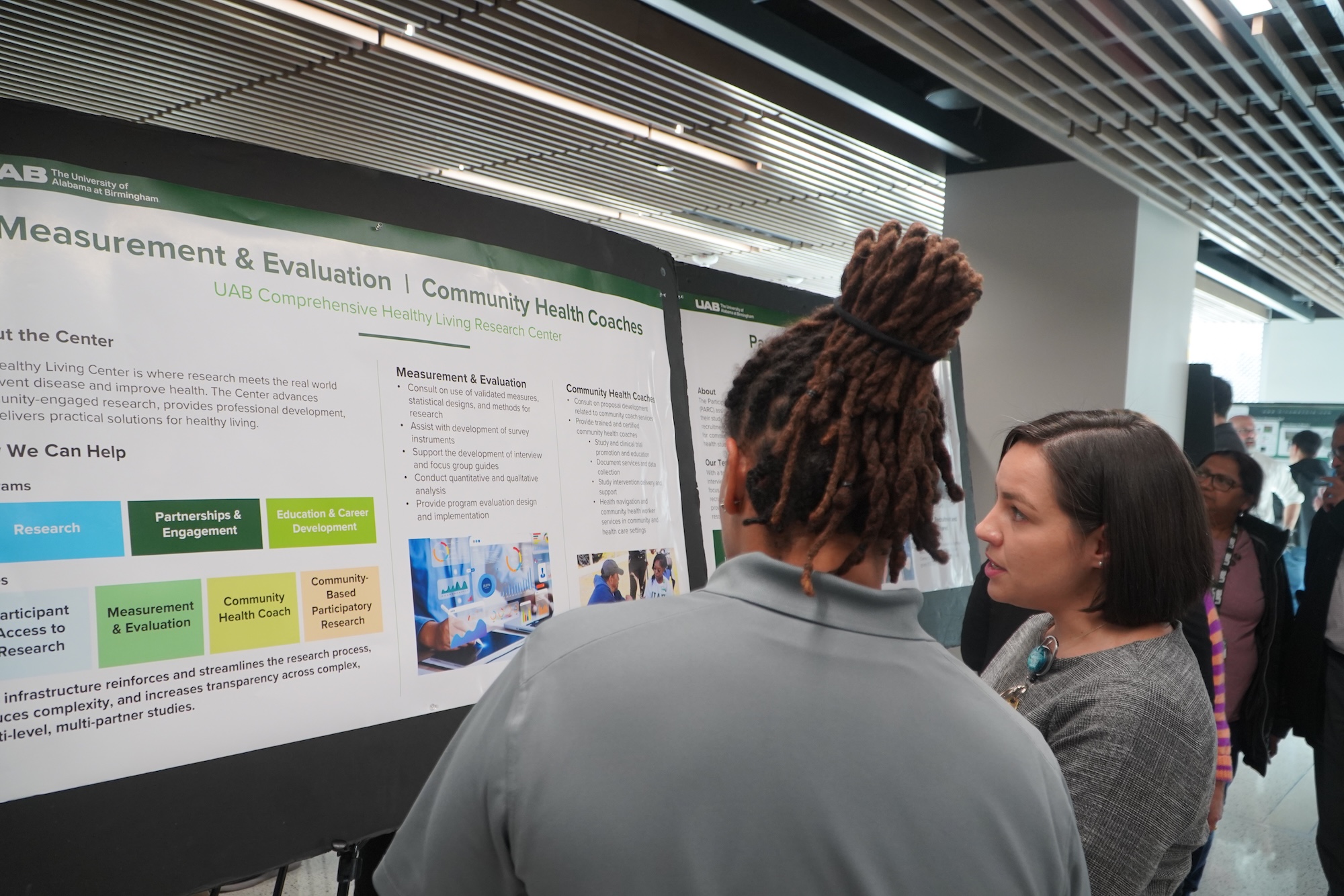
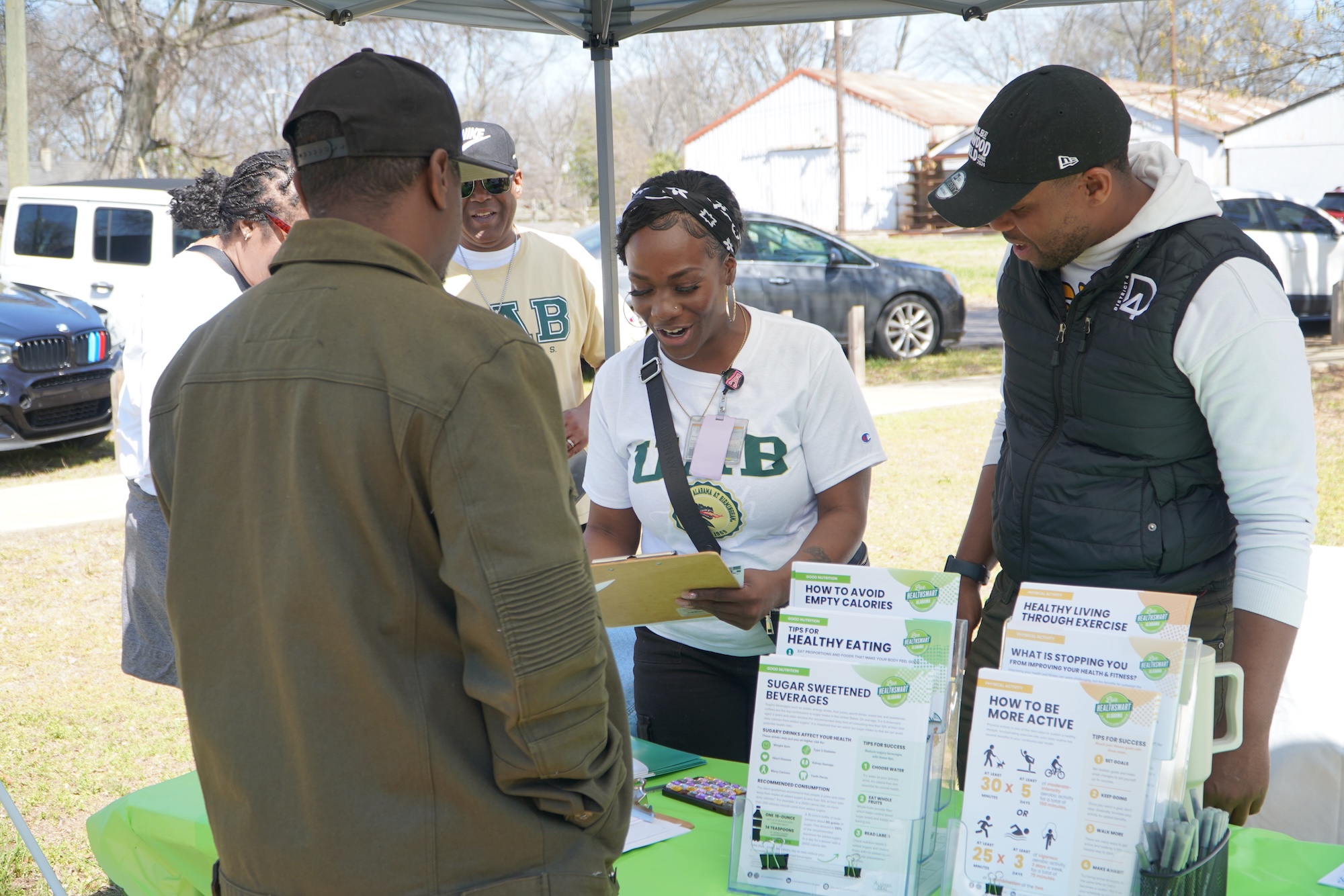
Dr. Michael Wesley, senior pastor of Greater Shiloh Missionary Baptist Church in Birmingham’s West End neighborhood, knows how chronic disease affects communities. He deals with it on a very personal level. “I’ve presided over funerals of people who have passed away far more prematurely than they should have because of preventable health issues,” Wesley says. Now a research project funded by the National Institutes of Health (NIH) and led by the UAB Comprehensive Healthy Living Research Center (Healthy Living Center) is testing whether the concepts of “Food is Medicine” and “Exercise is Medicine” can be moved from a clinical setting out into the community to combat chronic disease. Exercise class hosted by Alabama CEAL partnersAccording to the CDC, most chronic disease can be traced back to a fairly short list of risk factors, among them poor nutrition and physical inactivity. To address these risk factors “Food Is Medicine” (FIM) interventions provide food prescriptions from healthcare providers and may include food boxes or food assistance in the form of medically tailored meals. Similarly, “Exercise is Medicine” (EIM) programs may incorporate a clinical physical activity assessment and include exercise prescriptions for patients, fitness counseling, or a list of resources for exercise programs. Typically, these types of FIM/EIM programs are implemented in clinical settings and directed at patients who are already diagnosed with a chronic disease or who are at high risk. Mobile Market shopperBut could this approach be used at a community level to reach more people and improve health at the population level? To answer that question, a team led by Mona Fouad, M.D., MPH, director of the UAB Comprehensive Healthy Living Research Center, developed an innovative research study guided by community engaged research principles – Alabama Community Engagement Alliance (Alabama CEAL) Prescriptions for Community Health. “We are taking a model that has been used mainly in clinics on a one-on-one basis, and adapting it at the community level,” says Fouad, Director of the Healthy Living Center and Lead Principal Investigator for Alabama CEAL. Alabama CEAL Prescriptions for Community Health starts with FIM/EIM concepts normally used in clinical settings, works with community members and organizations to adapt them and develop community level FIM/EIM prescription, and then implements them alongside community partners to evaluate their effect on healthy behaviors and, ultimately, on chronic disease and population health. The community is at the center of it all. Community Health Working Group - Cohort 1 Kick OffAlabama CEAL starts by bringing together community members, leaders, and partner organizations into a Community Health Working Group (CHWG). The CHWG first identifies the communities’ more pressing areas of health concern. Then, together with nutrition and exercise specialists, the group designs a “Community Prescription” that uses FIM/EIM concepts and is tailored to each neighborhood, along with a community level intervention plan. Finally, Alabama CEAL Community Health Coaches—who are often from the very communities they serve—collaborate with community partners to disseminate the prescription and implement the intervention, leading community-wide events that get people engaged in the program. “The idea is if we really want to move the needle when it comes to improving health, we need to work with the whole community, and not just individuals within the community,” Fouad says. For proof of the importance of community and partner engagement to this project, one need look no further than Dr. Michael Wesley, Sr. himself. He serves not simply an advisor or consultant, but as a Community Multiple Principal Investigator helping to lead the study, an unusual role for a community member in a university research study. “We’ve seen real leadership and camaraderie begin to develop, and a lot of attitudes begin to shift toward a desire to participate,” says Dr. Wesley. “We’re not interested in having just a few people going through a process and declaring them to be healthy. We want to saturate the community. So, community leaders have to be at the forefront of this program.” If this sounds like a complex project, it is. Fortunately, the UAB Healthy Living Center had existing infrastructure, staff, and resources needed to ensure success in a project like Alabama CEAL Prescriptions for Community Health. The staff of the Center’s Partnerships and Engagement Program organize and maintain the CHWG, plan and conduct community meetings, and identify planning and implementation partners. The Participant Access to Research Core supports the recruitment and data collection efforts of the study, and, crucially, the Community Health Coach core spearheads the innovative community-level FIM/EIM intervention. Community Coach with residentsThese Community Health Coaches (also known as community health workers) often live in the neighborhoods they serve and are vital to the study. Lori Bateman, Ph.D., R.D., associate professor in the UAB Division of General Internal Medicine and Population Science and a Multiple Principal Investigator on the study, emphasizes the importance of community members and Coaches to the success of the intervention. “A key aspect of this are the community members who work to design and implement these prescriptions. They know what’s likely to work in their communities and they make sure the project stays true to that.” Through Coach-led community wellness events, exercise events, cooking demonstrations, and neighbor gatherings, community members take charge of not just their own health, but the health of the entire neighborhood. Each person who attends these events leaves with a personalized “prescription,” a guide to good nutrition, physical activity, and prevention and wellness tailored to their community. For each community, Alabama CEAL also works with implementation partners like Live HealthSmart Alabama to improve the built environment and bring Mobile Market and Mobile Wellness services to the community. By being tied to resources and services that are easily accessible in the area, Prescriptions for Community Health make it easier for people to follow guidelines and adhere to the program. To evaluate the outcomes, the Prescriptions for Community Health study is following participating communities over the next two years to assess the effect of the initiative on community level health behaviors like good nutrition and physical activity. The study will also follow a cohort of individual participants to help assess how the program works through individual community members and help guide improvements. So far, early results look promising. Brenda Holifield, president of the Kingston Neighborhood Association in Birmingham, says the community focus is the best part of the study. “We’ve become a family. We give each other hugs and just love on each other. We know we’re all in this health journey together, and we want each other to succeed. These programs have truly provided the opportunity for us to change ourselves for the better, in an easy and accessible way.” This is just what Dr. Wesley wants to hear. “This is bringing the research out from the university and placing it in the community to get people engaged in taking charge of their health and their neighbor’s health.” Fouad agrees, “It’s about making it easier for people to live a healthy life. I don’t think there’s a more important outcome of research than that.” Alabama CEAL Prescriptions for Community Health currently involves the Birmingham neighborhoods of Kingston, Bush Hills, East Lake, Titusville, with plans to expand to the Druid Hills, Fountain Heights, Norwood, Evergreen and Central City neighborhoods – along with Alabama cities Selma and Camden.

News Published 73 days ago

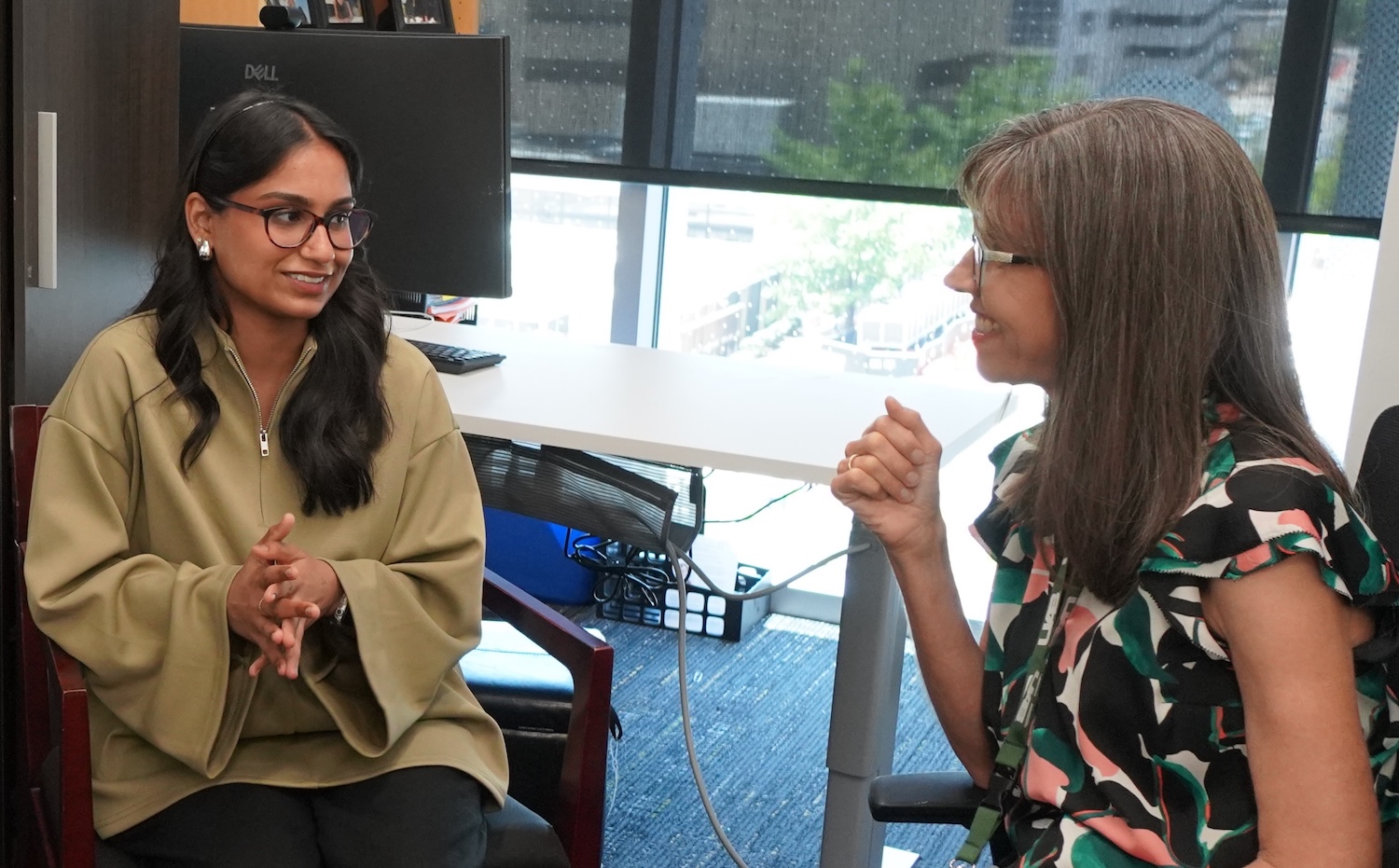
Access to health care remains one of the most pressing challenges in Alabama’s rural communities. Many residents travel long distances to see a doctor or specialist, and shortages of primary care providers continue to affect both patient outcomes and quality of life. In honor of National Rural Health Day, celebrated on November 20 this year, the Heersink Office of Access and Engagement spoke with Irfan Asif, M.D., chair of the Department of Family and Community Medicine, associate dean for Primary Care and Rural Health, and co-director of the UAB Comprehensive Healthy Living Research Center, to learn how UAB is expanding care and strengthening the state’s primary care workforce.

Subscribe to Heersink
School of Medicine News

Subscribe to Heersink School of Medicine News