Communities across the Southeast continue to face disproportionately high rates of chronic diseases linked to poor diet, including obesity, diabetes, and cardiovascular disease. Addressing those challenges requires more than encouraging healthier eating; it also means understanding the barriers that influence the foods people can access and afford.
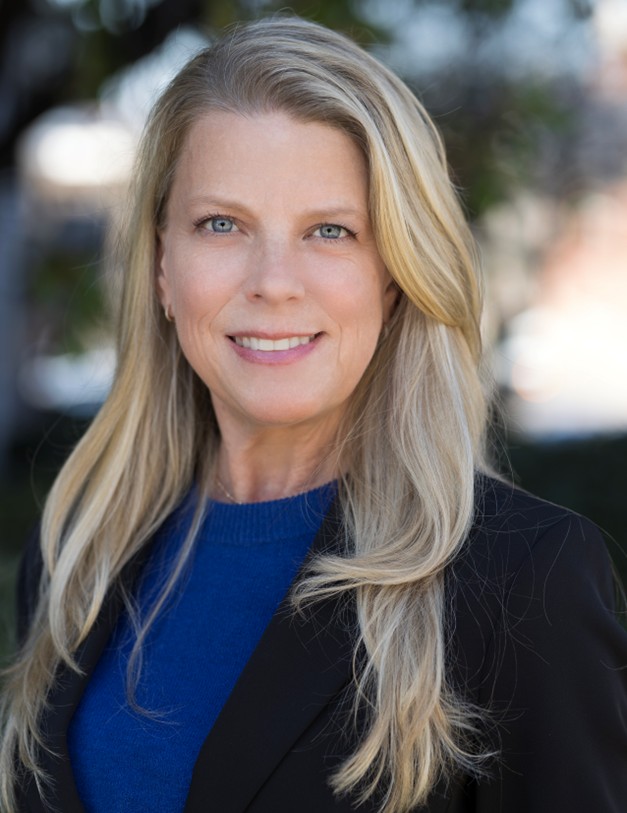 Catheryn Orihuela, Ph.D.To support that work, the Alabama Community Engagement Alliance (AL CEAL) has selected Catheryn Orihuela, Ph.D., assistant professor in the UAB Heersink School of Medicine Department of Family and Community Medicine, as the recipient of its 2026 Southeast CEAL Research Initiative Pilot Grant.
The Southeast CEAL Research Initiative supports one community-engaged nutrition research project in Alabama, Louisiana, and Mississippi each year, helping investigators develop practical, evidence-based approaches that can improve health across the region.
Orihuela's project, "Expanding Alabama CEAL Prescriptions for Community Health to Reduce Ultra Processed Food Consumption," will explore how food insecurity contributes to higher consumption of ultra-processed foods and use community input to strengthen Alabama CEAL's existing Prescriptions for Community Health program.
Expanding Alabama CEAL's Prescriptions for Community Health
Orihuela's pilot project builds on Alabama CEAL's existing Prescriptions for Community Health program, a Food is Medicine and Exercise is Medicine-based intervention that encourages healthier eating and physical activity through education and support from Community Health Coaches.
While many nutrition programs focus on increasing fruit and vegetable consumption, they may not directly address the role ultra-processed foods play in overall diet quality. Ultra-processed foods, including many packaged snacks, sugary drinks, frozen meals, and other heavily manufactured products, make up more than half of the average American diet and have been linked to obesity, cardiovascular disease, diabetes, and certain cancers.
The project will examine how food insecurity and access to healthy foods influence consumption of ultra-processed foods in Alabama communities. Through participant surveys and focus groups, Orihuela will explore the barriers residents face when trying to reduce ultra-processed foods and identify practical strategies that can be incorporated into the existing Prescriptions for Community Health program.
Community Voices Shaping the Intervention
Rather than asking communities to fit into a predetermined program, Orihuela's project will use residents' experiences to help shape how the intervention is expanded.
Working alongside Community Health Coaches, community partners, and residents, the research team will gather feedback on the challenges individuals face when making food choices and the types of resources they find most helpful. That input will be used to develop educational materials, coaching strategies, and implementation resources designed to better support healthier eating in everyday life.
“Long-term, sustainable improvements in health happen when research is shaped with communities, not for them,” Orihuela said.
Building Toward Longterm Impact
By the end of the pilot project, the research team aims to develop an implementation-ready adaptation of Prescriptions for Community Health that includes practical strategies for reducing ultra-processed food consumption. The findings will also provide preliminary data to support future external funding and expand the intervention to additional communities across the Southeast CEAL network.
Ultimately, the project reflects Alabama CEAL's commitment to developing research alongside the communities it serves. By combining community expertise with evidence-based approaches, the pilot has the potential to strengthen nutrition programs, improve diet quality, and create a model that can be adapted in communities throughout the Southeast.
“Our goal is bigger than just asking people to reduce their ultra-processed food consumption,” Orihuela said. “It's about developing community-driven approaches that help people thrive and creates a model that can improve health across multiple CEAL communities.”