
Explore UAB
  • Psilocybin proves promising treatment for cocaine use disorder, according to UAB study
  • Specific trigeminal sensory nerve cells inhibition presents potential treatment pathway for craniofacial pain caused by mechanical allodynia
  • $5.3M grant offers new approach to reducing opioid deaths
  • Galli and Carter uncover the science behind substance abuse disorders
  • Smart choices, safer break: Tips for drinking responsibly
  • Psilocybin proves promising treatment for cocaine use disorder, according to UAB study

    Results from a clinical trial at the University of Alabama at Birmingham, published in JAMA Network Open, show that psilocybin, a naturally occurring psychedelic compound in magic mushrooms, is safe and effective in treating cocaine use disorder, or CUD.

    Read more →

  • Specific trigeminal sensory nerve cells inhibition presents potential treatment pathway for craniofacial pain caused by mechanical allodynia

    Researchers were able to identify a correlation between the activation of these neurons and the pain sensory condition called mechanical allodynia.

    Read more →

  • $5.3M grant offers new approach to reducing opioid deaths

    Fentanyl and other synthetic opioids are responsible for most drug overdose deaths in the United States. Fentanyl is nearly 50 times stronger than heroin and 100 times stronger than morphine, and a lethal dose can be as small as two milligrams.

    Read more →

  • Galli and Carter uncover the science behind substance abuse disorders

    Aurelio Galli, Ph.D., D.Sc., professor in the Department of Surgery, and Angela Carter, Ph.D., assistant professor in the Department of Surgery, have been named the latest recipients of the school's Featured Discovery award. This recognition celebrates notable faculty research contributions and highlights the impact of their scientific advancements.

    Read more →

  • Smart choices, safer break: Tips for drinking responsibly

    Peter Hendricks, Ph.D., professor in the University of Alabama at Birmingham Department of Psychiatry and Behavioral Neurobiology, and Kevin Madden, doctoral candidate in the UAB Medical/Clinical Psychology Ph.D. program, provide suggestions on how to drink responsibly during the break.

    Read more →

CAPPI logo

CAPPI: Improving addiction and pain outcomes through research, education, community outreach, and patient care resources

The mission of CAPPI is to conduct cutting-edge research that can be developed into better treatments for addiction and pain. The faculty and staff in CAPPI seek to educate other professionals and the public about addiction and pain in a way that promotes compassion and minimizes the stigma of these two health conditions. CAPPI also serves as the focal point for community outreach in order to build effective partnerships with the communities we serve.
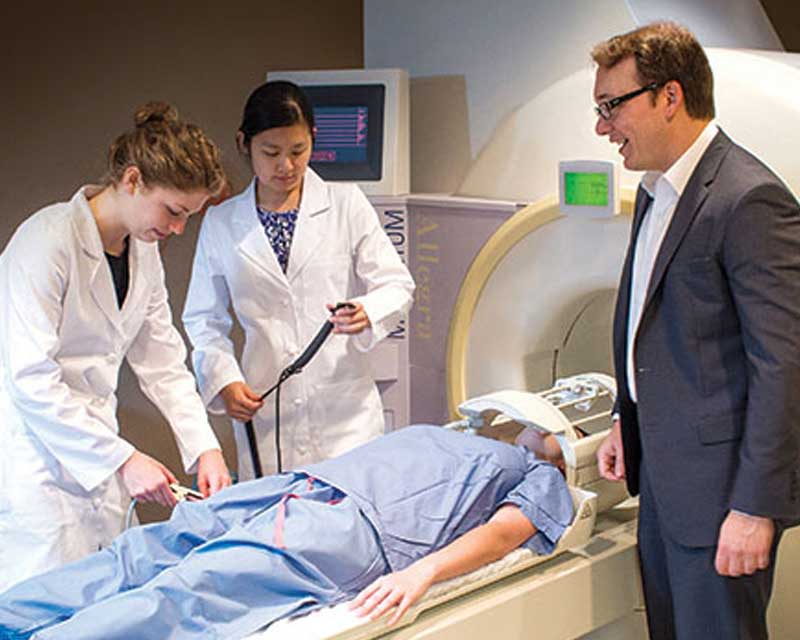

CAPPI supports the community in local outreach programs


Community Events

Back to Top