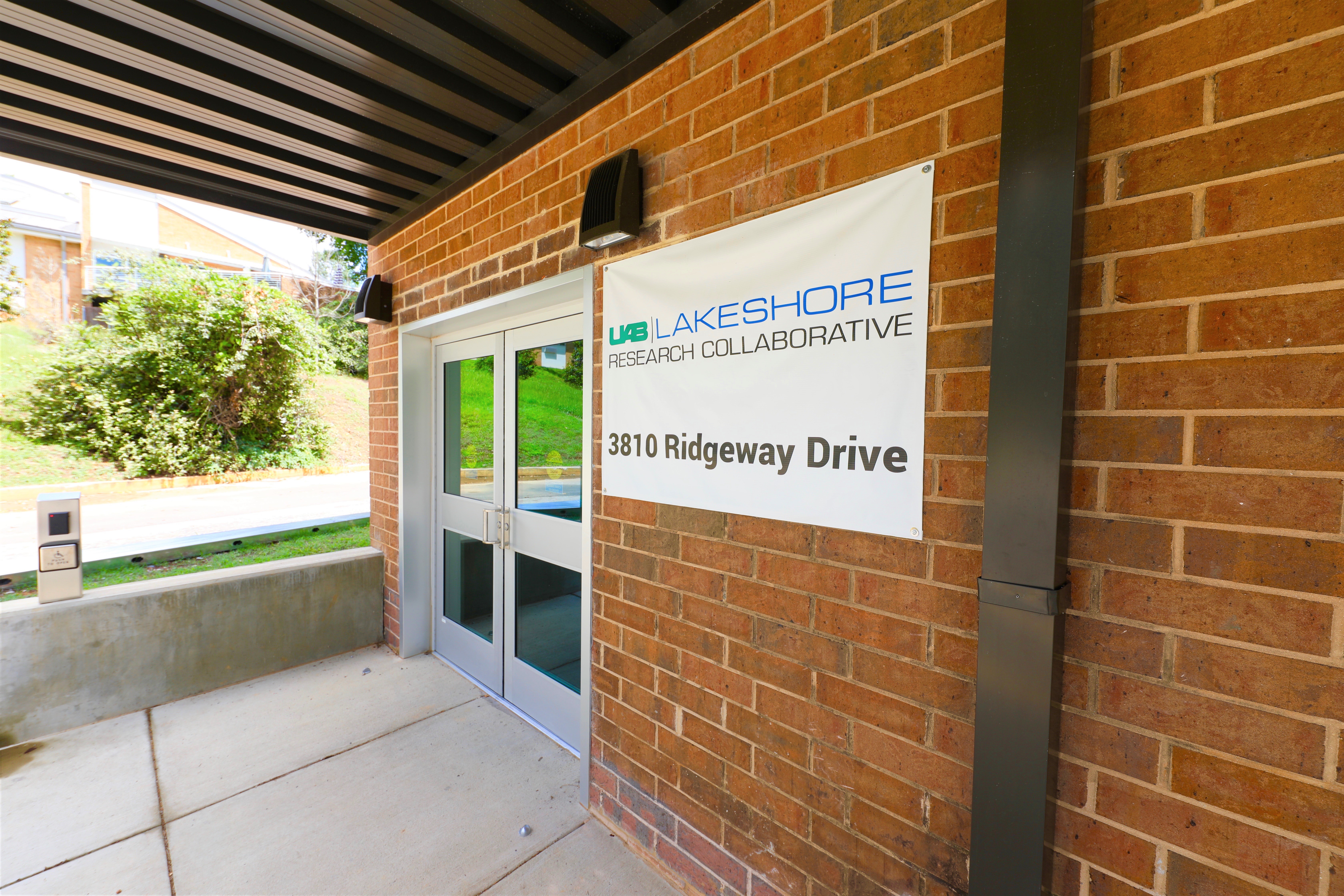
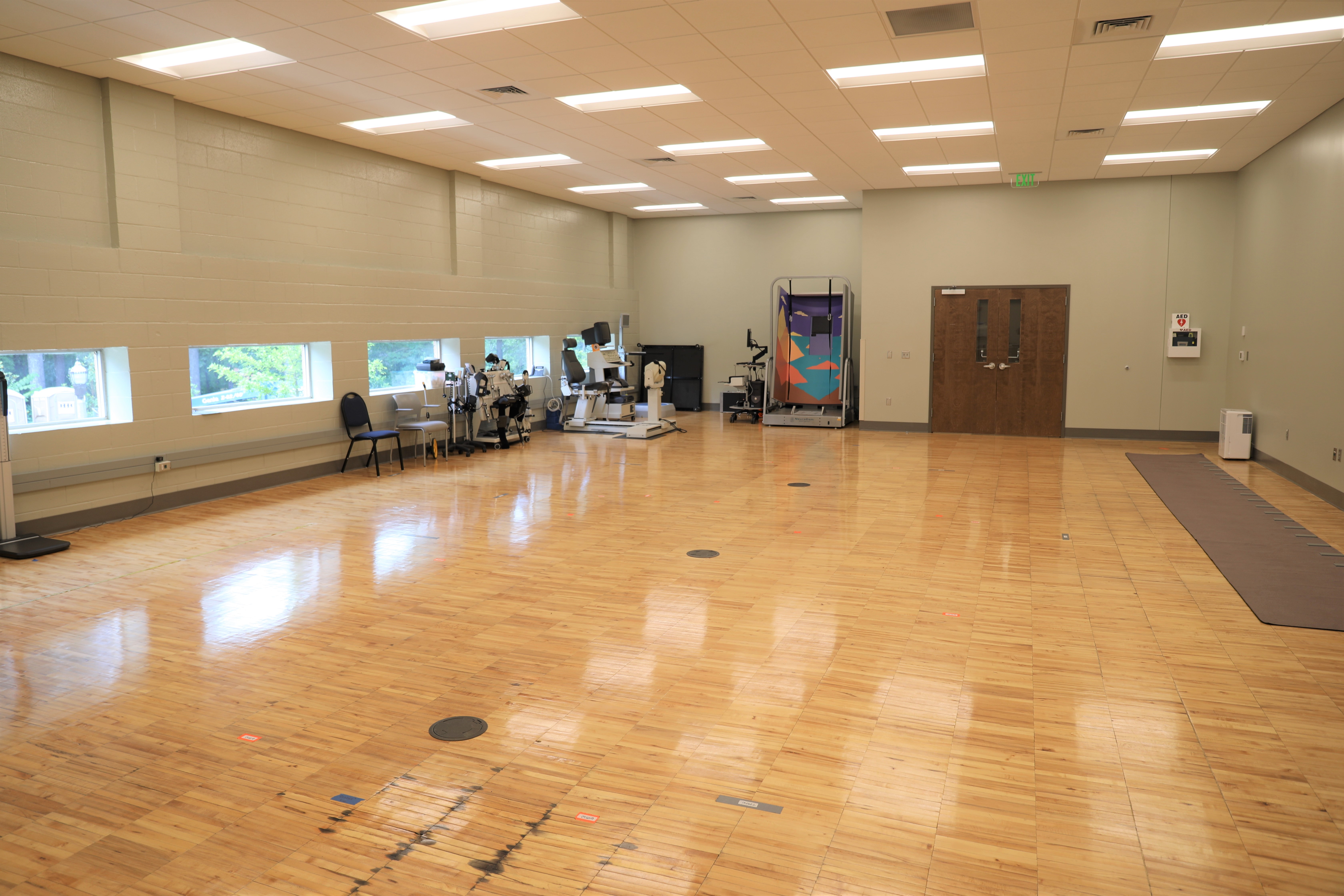
The UAB Research Collaborative, based at the Lakeshore Foundation’s Wellness, Health, and Research Facility (WHARF), is an interdisciplinary hub dedicated to advancing health equity and inclusion for people with disabilities. It brings together experts in physical therapy, occupational therapy, nutrition sciences, engineering, public health, and psychology to conduct cutting-edge research, training, and community engagement. Through partnerships with centers like CEDHARS, NCHPAD, and specialized labs such as the Adaptive Human Performance Lab, the Collaborative develops evidence-based interventions, adaptive technologies, and scalable health promotion strategies that directly impact clinical practice and public health.
CEDHARS (Center for Engagement in Disability Health and Rehabilitation Sciences) focuses on advancing rehabilitation science and inclusive health through interdisciplinary research and community engagement, offering specialized facilities and expertise to support adaptive interventions. NCHPAD (National Center on Health, Physical Activity and Disability). serves as a national resource center funded by the CDC, providing guidance, programs, and tools to promote physical activity and healthy lifestyles for people with disabilities. Together, these centers amplify the Collaborative’s impact by combining research, outreach, and policy initiatives to create a more inclusive health ecosystem.
A key component of the Collaborative is the NIH-funded P50 award, the UAB Disability Health Promotion Research Center (DHPRC), whose mission is to leverage digital health technologies to empower individuals with physical disabilities to live more independently, manage their health effectively, and improve overall quality of life. DHPRC operates through three cores—administrative, resources, and community engagement and outreach—designed to attract researchers from diverse fields and provide the infrastructure needed to address health disparities among people with disabilities. By integrating innovative research, comprehensive training, and active community partnerships, DHPRC strengthens the Collaborative’s commitment to reducing barriers and promoting inclusive health solutions.