
75 years of shaping nursing education
For more than seven decades, the UAB School of Nursing has stood at the intersection of education and leadership, preparing nurses not only to provide care, but to shape the future of health and health care. From its earliest days, the School has embraced a visionary approach to academics and upheld its dedication to exceptional health care education.
The momentum built over the past 75 years has launched the School to national prominence, with multiple programs earning top rankings. In the 2025 U.S. News & World Report “America’s Best Colleges” rankings, the Bachelor of Science in Nursing program is tied for No. 13 in the nation and holds the No. 1 ranking in Alabama. The School’s Master of Science in Nursing program is ranked No. 11 in the 2025 U.S. News & World Report “Best Graduate Schools” rankings, and the Doctor of Nursing Practice is No. 10, both also holding the No. 1 ranking in Alabama. Four graduate specialties also are ranked in the top 10. The DNP Nurse Anesthesia Pathway is ranked No. 19 and remains the highest-ranked program in Alabama. It also is one of only seven programs in the country with full accreditation from the International Federation of Nurse Anesthetists.
The School also has earned three National League for Nursing Center of Excellence designations, including two within the past two years. In 2024, the School was recognized for its exceptional faculty teaching expertise, followed by a 2025 designation for creating environments that enhance student learning and professional development.
“Our academic programs continue to earn national recognition, reflecting the dedication of our faculty, staff, students, and alumni, as well as the contributions of influential leaders who laid the foundation for our success,” said Dean and Fay B. Ireland Endowed Chair Maria R. Shirey, PhD, MBA, RN, NEA-BC, ANEF, FNAP, FACHE, FAAN. “As nursing evolves, we remain committed to innovation and adaptability, building on that legacy to prepare nurse leaders for a dynamic health care landscape.”
Leadership transitions at the School have consistently built upon the contributions of those who came before, creating a strong foundation for continued growth. Professor Emerita Florence Hixson, EdD, RN, FAAN, the School’s first dean, played a pivotal role by relocating the nursing program from Tuscaloosa to Birmingham in 1967, positioning it alongside other health-related professional schools at the University’s Medical Center. This move created opportunities for students to receive clinical education in Birmingham and fostered collaboration across disciplines. The deans and leaders who have followed have continued to extend this legacy, helping drive the School’s development and reputation for excellence in nursing education.
Academic programs that built a legacy
The School first opened its doors with three programs including the traditional baccalaureate, RN-to-BSN for registered nurses and a centralized social and biological sciences teaching program serving students from seven hospital-based diploma nursing schools across Alabama. Over time, School of Nursing leaders brought a visionary mindset, focusing on expansion and new areas of study. Their leadership positioned the School to grow its academic offerings, adopt emerging technologies and strengthen clinical education through partnerships.
The first undergraduate students graduated from the School in 1954, and since then, the BSN program cohorts have steadily grown. In Summer 2026, the School will launch a new summer cohort, becoming one of the first in Alabama to admit BSN students year-round.
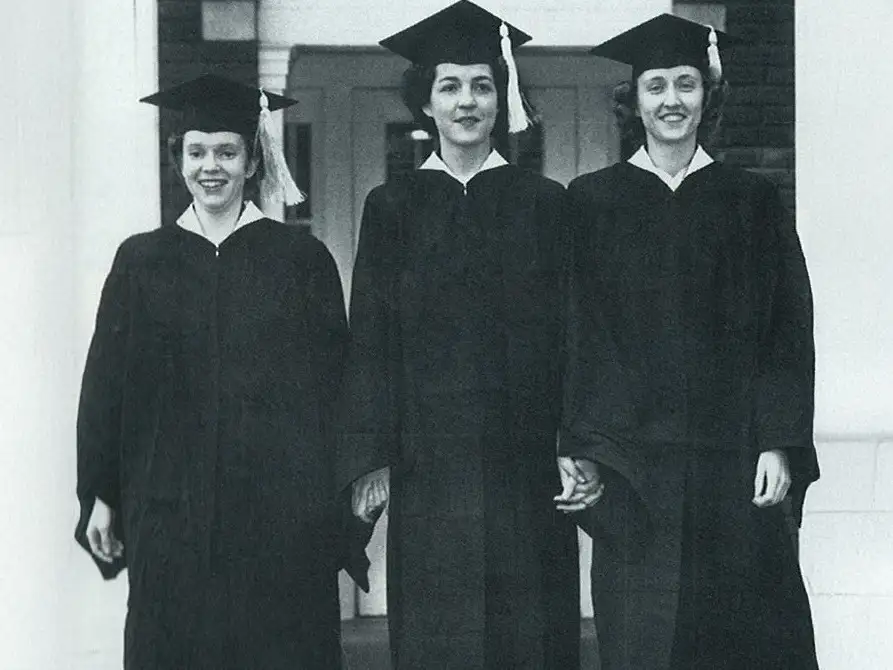
The School launched its Master of Science in Nursing program in 1955, celebrating its first graduating class just one year later in 1956. During the tenure of the School’s fourth dean, Professor Emerita Doreen Harper, PhD, RN, FAAN, new academic programs were introduced to support students from varied educational backgrounds and professional goals. In 2008, the Accelerated Master’s in Nursing Pathway was introduced as an opportunity for individuals holding a bachelor’s degree or higher in a non-nursing discipline. Since its inception, the program has prepared and placed nearly 700 nurses into the workforce.
The School also has been a leader in advancing doctoral-level nursing education in Alabama. In 1975, it launched the Doctor of Science in Nursing program, making the nation’s 13th such program and the first in the Southeast. The School established the Doctor of Philosophy in Nursing program in 1999, which remains the pre-eminent PhD nursing program in the state.
In 2018, the School partnered with local community colleges that offer Associate Degrees in Nursing to create a collaborative ADN-to-BSN pathway. This Joint Enrollment Pathway allows students to remain close to home while pursuing a rigorous, affordable baccalaureate education on an efficient timeline. In 2023, the program expanded to include Bevill State Community College as a partner, in addition to original partners Jefferson State Community College and Wallace State Community College.
In response to emerging needs in specialized areas of care and the growing call for advanced nursing expertise, several programs at the School have been reinstated or expanded. Continuing its mission to strengthen the nursing workforce and improve health outcomes across all communities, the School reinstated the MSN Nurse-Midwifery Pathway in 2022. That same year, it launched the Dual DNP-PhD Pathway, a program designed to prepare nurse leaders for the highest levels of clinical practice and research, with the first student enrolling in the pathway in 2022. The DNP program continues to expand, including significant growth in its Nurse Anesthesia Pathway, which enrolled 65 students in 2025 and anticipates the same cohort size in 2026 and 2027.
“We have continually evaluated the changing needs of the health and nursing workforce to shape new areas of study, while expanding upon existing academic programs,” said University Professor and Senior Associate Dean for Academic Affairs Linda Moneyham, PhD, RN, FAAN. “This growth reflects our commitment to preparing nurses for the workforce and honors the legacy of innovation that defines our history.”
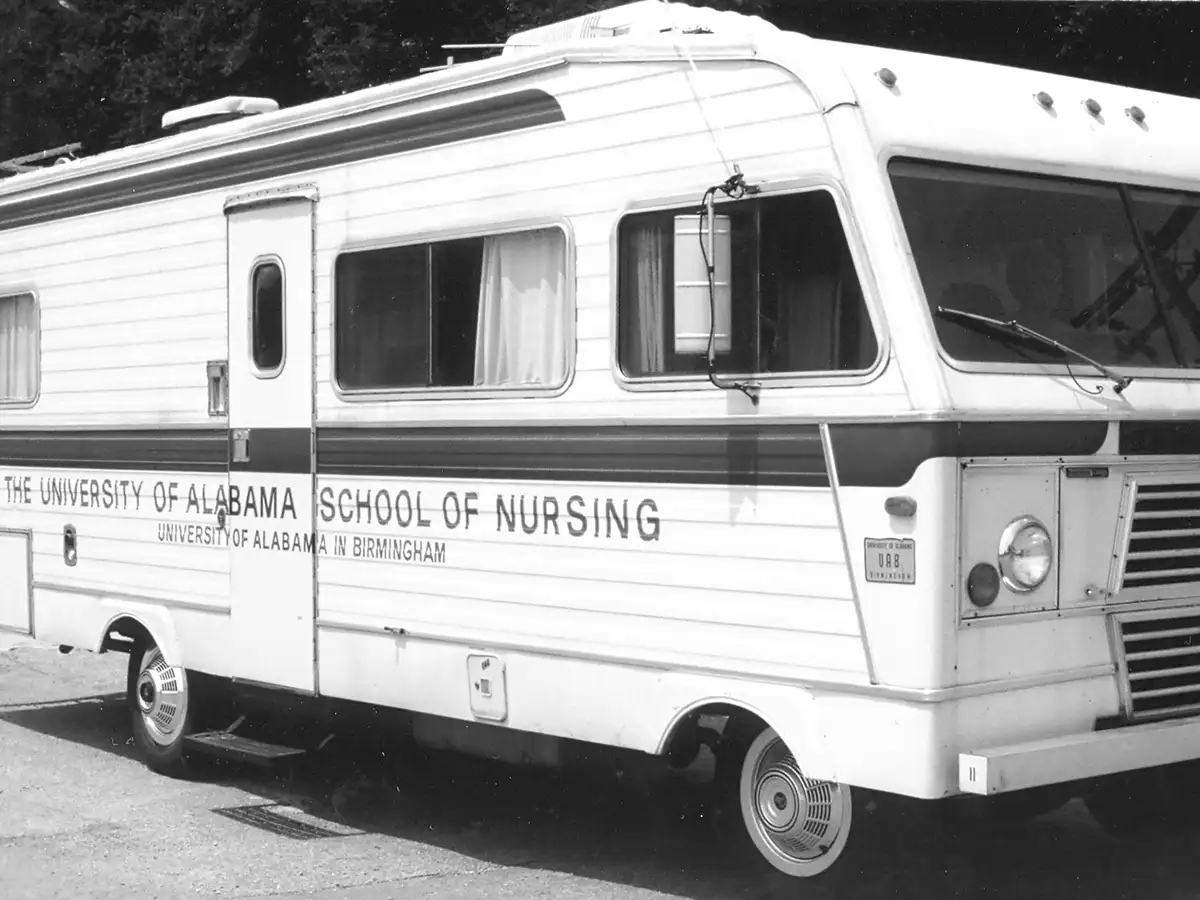
Expanding access to nursing education has long been a priority for the School, and those efforts have taken various forms. As part of the master’s outreach program in the late 1970s, a motor home was outfitted as a mobile classroom, bringing faculty to cities across Alabama—including Montgomery, Mobile, Decatur, and Gadsden—to offer master’s-level courses directly to nurses in their communities. In more recent years, the School has continued to expand its commitment to distance-accessible education through several programs of study as well as non-degree certificates. These modern approaches build on the priority to reach practicing nurses where they are through innovative strategies that make advanced nursing education more flexible and responsive to workforce needs.
“Dean and Professor Emerita Rachel Booth, PhD, RN, began the School’s move toward distance-accessible education by investing in the technology and planning needed to support online learning,” Shirey said. “Dean Emerita Doreen Harper expanded those efforts, increasing graduate specialty tracks and streamlining degree pathways to make advanced nursing education more accessible. Their leadership made it possible for more nurses to earn degrees while continuing to work in their communities.”
In response to advances in health care and shifts in educational priorities, each academic program has been thoughtfully updated to reflect current best practices and guidelines. Most recently, the BSN, MSN and DNP programs transitioned to a competency-based curriculum designed to strengthen clinical preparedness and professional confidence. The programs have undergone curriculum revisions that were implemented in fall 2025, with a focus on competency-based education and expanded use of simulation. Each course and program of study includes clearly defined competencies to guide instruction and assessment. The School’s internal task force overseeing the curriculum revision is led by Moneyham; Associate Professor and Associate Dean for Undergraduate & Prelicensure Education Katie Parris, DNP, RN, CNE; and Professor and Associate Dean for Graduate Clinical Education Aimee Holland, DNP, WHNP-BC, NP-C, FAANP, FAAN (DNP 2012).
“One of our priorities has been determining how to measure competencies in a way that’s both meaningful and valid,” Moneyham said. “It’s a complex process that requires thoughtful collaboration and coordination across faculty. There’s still much work ahead, but I am incredibly proud of the progress we’ve made and the dedication our faculty have shown throughout this process.”
Partnerships and interdisciplinary education
The School’s founding vision included providing students with hands-on clinical training at the University’s Medical Center in Birmingham. Partnerships with other UAB entities and providers across Alabama have continued to play a vital role in providing students exposure to interdisciplinary team-based practice, different nursing specialties and opportunities to engage with and provide care to a broad range of patient populations.
Under the leadership of Professor Emerita Cynthia Selleck, PhD, RN, FNP, FAAN (PhD 1987), the School’s Office of Clinical and Global Partnerships expanded its faculty practice initiative, working with community and campus partners—including UAB Medicine—to establish nurse-managed clinics such as PATH (Providing Access to Healthcare) for diabetes care and HRTSA (Heart FailuRe Transitional Care Services for Adults) for heart failure serving as training environments where faculty guide undergraduate and graduate students from multiple disciplines in team-based care. And, partnering with the UAB Office of Interprofessional Curriculum, prelicensure and graduate students participate in interprofessional team training led by trained faculty facilitators to learn and practice essential skills for effective functioning in future interprofessional teams, alongside peers from other UAB schools including the Heersink School of Medicine, School of Health Professions and School of Dentistry.
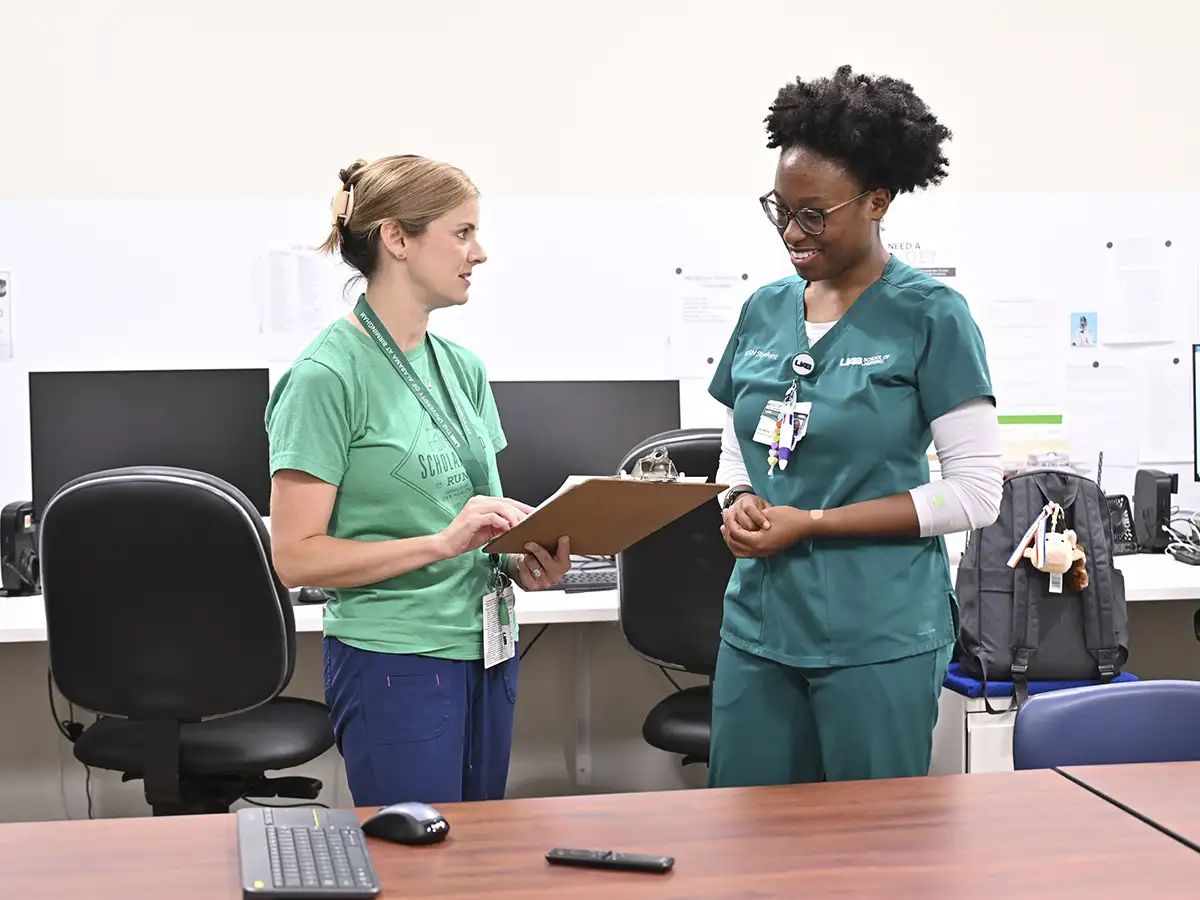
Additionally, clinical partners offer students employment opportunities to help them see how what they will learn works in the clinical setting. UAB Medicine employs students in positions including nursing student graduate aides and patient care technicians, providing income while in school and exposure to various clinical settings. The Student Nurse Intern Program, developed with Children’s of Alabama, places nursing students in clinical extender roles alongside bedside nurses, offering hands-on experience in patient care and team-based practice. The Veterans Affairs Nursing Academic Partnership, formed in 2014 between the UAB School of Nursing and the Birmingham VA Health Care System, provides student nurse technician and graduate nurse technician positions that expand clinical experience and support Veteran-centric care.
Community outreach and experiential learning opportunities
Community care remains a driving force in the School’s mission to prepare future nurse leaders and serve underserved populations.
Multiple sub-initiatives within the School’s Women and Children Health Initiative (WACHI) offer experiential learning opportunities for students across all programs. The Nurse-Family Partnership of Central Alabama and a new Moms and Kids Mobile Health Clinic, supported by a grant from the UAB Strategic Investment Fund engage pediatric nurse practitioner, nurse-midwifery, BSN and DNP students. This mobile health clinic is expanding access to maternal and child health services and integrated behavioral health care to women and children in medically underserved communities in rural counties throughout Alabama.
“This initiative will help us strengthen maternal and infant and child health outcomes across Alabama, fulfilling the missions of both the School of Nursing and University,” Shirey said. “It allows us to meet the needs of mothers, babies and children in our communities while providing exceptional learning opportunities for our health care workforce, including first-degree nursing, nurse practitioner and doctoral nursing students.”
A partnership with i3 Academy, a charter school in East Birmingham for children in grades K-5, focuses on promoting student health and wellness through health screenings and education. BSN students contribute and gain hands-on experience while supporting the local community.
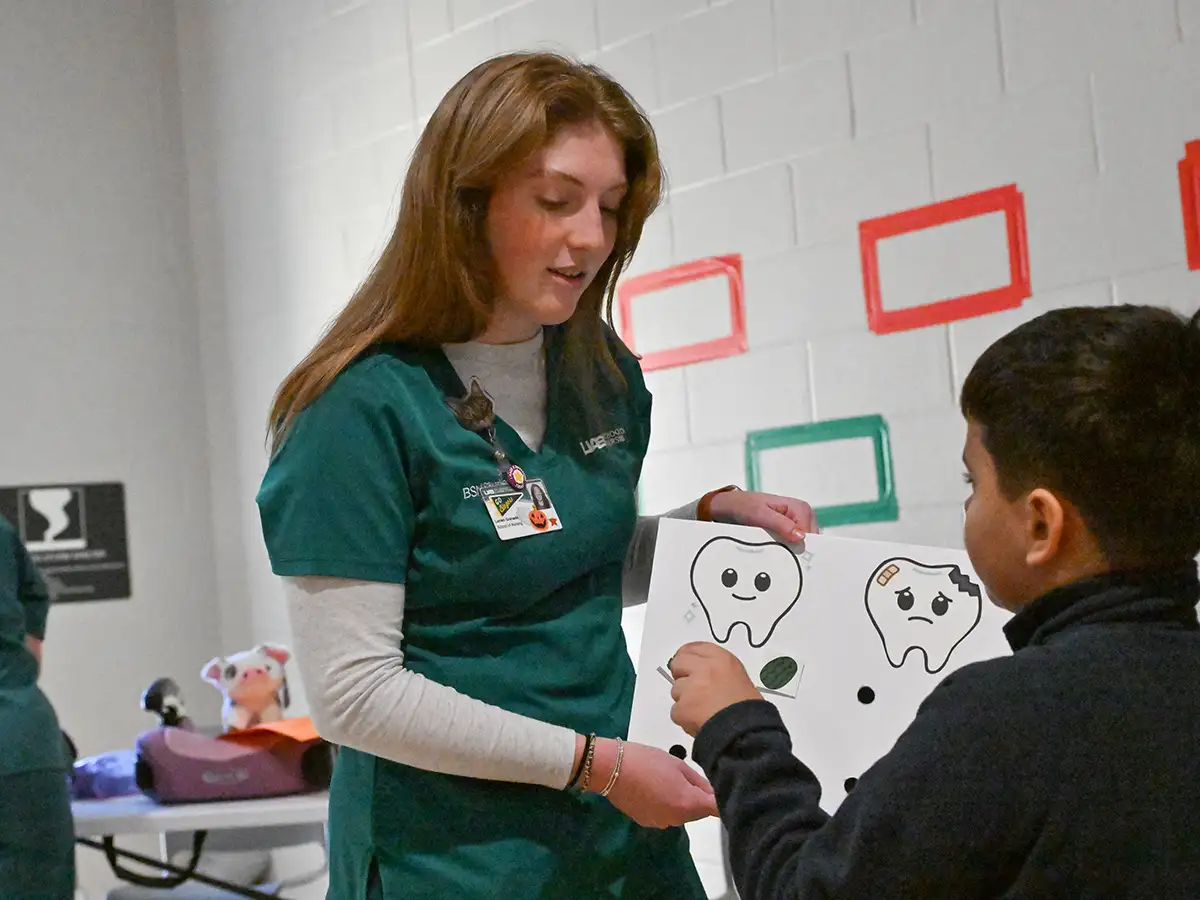
Other components of the BSN program curriculum also offer students opportunities to engage with their communities. The program’s Community Health course includes volunteer opportunities at charitable organizations such as Grace Klein Community and summer camps including Camp Winnataska, allowing students to step outside of the classroom and apply their skills in real-world settings.
Student support and enrichment
Student support is a central focus of the School, along with creating opportunities for collaboration and peer mentorship. In 2022, the School launched the Student Success Champions program, which combines mentoring and academic coaching to strengthen student outcomes. Since its launch, the program has helped reduce BSN attrition to just 2 percent. Faculty who developed the initiative—Assistant Professor Jennie Alspach, DNP, RN, FNP-BC (BSN 1996, MSN 1999, DNP 2020); Instructor Rachael Bruce, MSN, MPH, CRNP, FNP-C, CNE (MSN 2016); Instructor Jessica Bumpus, PhD; and Instructor Laketa Huddleston-Pettiway, PhD, M.Ed.—were honored for their work with the Alabama League for Nursing Excellence in Teaching Award in 2024.
Students have opportunities to explore areas of nursing beyond clinical practice, such as research and nursing science. Through the Nursing Honors Program, BSN students collaborate with faculty mentors to lead research projects and present their findings at the UAB Undergraduate Research Expo. In Summer 2025, BSN student Maddie Neighbors became the first student to curate an archival display in partnership with the School of Nursing Archives, bridging the nursing history and research.
Recognizing academic achievements began early in the School’s history. In 1958, just eight years after the School’s founding, the Nu Chapter of The Honor Society for Nursing, Sigma Theta Tau International, was established as the 12th chapter in the nation, with MSN student Margaret Millsap (BSN 1956, MSN 1958), serving as its first President. In 2019, the organization expanded to an At-Large Chapter, in collaboration with UAB Hospital and Tuskegee University School of Nursing and Allied Health. It continues to uphold its founding standards of excellence, bringing together students, nurse leaders and scholars.
Students foster peer support, leadership and professional development by participating in the Student Nurses’ Association, the School’s chapter of the National Student Nurses’ Association. Members of the student-led organization collaborate and take part in campus-wide service projects, including administering flu vaccinations. In 2025, the organization received the NSNA Core Values Award for its commitment to community involvement, engagement with professional organizations, NSNA affiliation and student advocacy.
Since its opening in October 2024, the School’s Office of Access and Engagement has worked to promote well-being among students, faculty and staff. The office leads initiatives that help cultivate a supportive environment, recognizing that wellness is essential to academic and professional success. Among its efforts are programs including dog therapy days and wellness cart rounds.
Looking ahead
In a rapidly changing field, the School remains at the forefront by embracing innovation across nursing, education, technology, practice and research, aligning its priorities with the shifting needs of health care.
“Celebrating 75 years of academic excellence reminds us how far the School and nursing education as a whole have come and how much opportunity lies ahead,” Shirey said. “Innovation continues to be a driving force, with new initiatives always on the horizon as we adapt to the changing needs of nursing education and the health care workforce.”
-Pareasa Rahimi