Our neonatology subspecialty training program provides exceptional clinical experience and instruction in a high-volume center to enable our neonatal-perinatal fellows to develop expertise in the management of critically ill neonates. In addition to the general principles of neonatal critical care, this includes (but is not limited to) care of extremely preterm infants and infants with major congenital anomalies, advanced neonatal resuscitation, vascular access, endotracheal intubation, common NICU procedures, point of care ultrasound and hemodynamics, management of neonatal transport, advanced respiratory management, ECMO and Kidney Support Therapy, management of infants requiring surgery, and nutritional support. The program also provides ample opportunity for scholarly activity including clinical research, global health, basic/translational research, quality improvement, simulation training, and medical education. Fellows receive instruction in the psychosocial implications and long-term outcomes of disorders of the fetus, neonate, and infant, as well as in advanced communication skills and leadership skills surrounding the birth and care of a sick neonate. Our fellows supervise and help educate and train our pediatric residents while liaising with subspecialists from across the UAB system.
Our Team
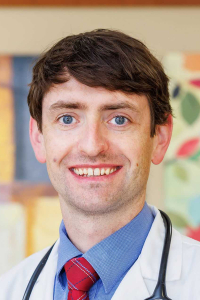
Colm Travers, M.D.
-
Letter from the Director
Dear Doctor,
We are delighted to hear of your interest in our outstanding program. Our ACGME accredited three-year program combines research and clinical experiences that prepares our fellows for independent research careers and clinical practice. Currently, we have three fellow spots every year with ten fellows enrolled in our fellowship program.
Our busy clinical program covers two adjacent neonatal intensive care units, a 140-bed delivery unit at the University of Alabama at Birmingham (a 900-bed facility), and a 54-bed surgical unit at Children's of Alabama (a 300-bed facility). We have over 1800 admissions per year to these NICUs with a large maternal and neonatal referral population covering the entire state, as well as admissions from surrounding states and beyond, assuring you a broad clinical experience. The University Hospital has been rated as one of the best in the country. The Children's Hospital is the only hospital in Alabama dedicated exclusively to the care of infants and children. In addition, our diverse 28 faculty members will enrich your clinical training.
A major goal of our program is to prepare neonatologists for academic careers. Therefore, we place a heavy emphasis on excellence in scholarly activity, with up to two thirds of the fellowship time dedicated to basic science, clinical research, quality improvement, or medical education research. A broad and complete educational component of our fellowship training program will complement your research and clinical experiences and contributes to our high ABP first-time pass rate. Neonatal Patient Management Conferences, Perinatal Grand Rounds, and Developmental Physiology and Pathophysiology Seminars are held weekly while Perinatal Mortality Conferences as well as perinatal journal clubs, and research seminars are held monthly. Guest speakers and visiting professors enrich these educational opportunities. These conferences are in addition to other educational activities of the Department of Pediatrics and the Medical School. Special yearly courses cover ECMO, Kidney Support Therapy, Advanced Neonatal Resuscitation and Procedures, POCUS and Targeted Neonatal Echo, and Advanced Communication Training. In addition, our fellows are able to enroll in numerous available courses at UAB including healthcare quality and safety, public health, artificial intelligence, and medical education. These additional opportunities add significantly to your academic credentials and research potential.
UAB’s Heersink School of Medicine, which has been ranked "Best Up-and-Coming" by US News and World Report by deans and heads of medical departments, provides a rich and diverse environment that will facilitate a successful training experience. Areas of current research interest include control of breathing; assisted ventilation; bronchopulmonary dysplasia; pulmonary circulation; pulmonary hypertension; perinatal infections; mitochondrial function, mediators of infection and inflammation, breast milk and necrotizing enterocolitis; developmental immunology; perinatal epidemiology; and clinical trials focused on growth, nutrition, delivery room care, and pulmonary interventions. We have multiple ongoing quality improvement initiatives including those published in high-impact journals. Depending on your research interests, you can choose to work in one of these areas or in one of the many other areas in which faculty members of the Department and the University could provide mentorship. While we advise the fellows and assist them in the design of their projects, they are never required to work in a specific laboratory or mentor and it is ultimately the fellow who selects the laboratory and mentor of his/her choice. Presently, our neonatology fellows collaborate in their research with members from the Departments of Pediatrics, Anesthesiology, Physiology and Biophysics, Obstetrics/Gynecology, Surgery, Medicine, and the School of Engineering. Six full-time research nurses support fellows and faculty members on clinical research projects. A competitive salary, health insurance, malpractice coverage, vacation/sick leave, and approved moonlighting opportunities are provided.Finally, Birmingham is a wonderful city in which to live, offering a wide array of cultural, artistic, and sports activities. The Birmingham-Jefferson Civic Center, one of the largest entertainment complexes in the southeast, is in continuous use for sporting events, theatrical productions, musical shows, and other spectacular events. In addition, our professional and college sports teams and stadiums are popular among our residents and fellows. Birmingham also has an active arts and sociocultural community with the Alabama Ballet, the Birmingham Museum of Art, the Birmingham Civil Rights Institute, the Alabama Symphony Orchestra, the Birmingham Zoo, the Botanical and Japanese Gardens, and multiple local breweries and restaurants. Our rivers and lakes, beautiful white-sand gulf beaches to the south, local and state parks and waterfalls, and Appalachian mountains to the north provide for ample outdoor life and sports.
In summary, our primary interest is to prepare academic neonatologists for independent practice. Our fellowship training program is designed to assure you an exceptional and comprehensive clinical and academic experience. We are committed to your success and hope you will strongly consider becoming part of our UAB family.If you need further information, please do not hesitate to call me at (205) 934-4680, or email me at cptravers@uab.edu. I look forward to hearing from you soon.
Sincerely,
Dr. Travers
Colm Travers, M.D., MSPH

Andrea Kane, M.D.
