Over the past year, Kyle Wood, M.D., MBA, professor in the UAB Department of Urology, has performed more than 300 ureteroscopies for the treatment of kidney stones—placing him among the highest-volume ureteroscopy surgeons in Alabama, with well over 2,500 ureteroscopic procedures performed during his 10 years at UAB. The Department of Urology has performed close to 900 cases this year. 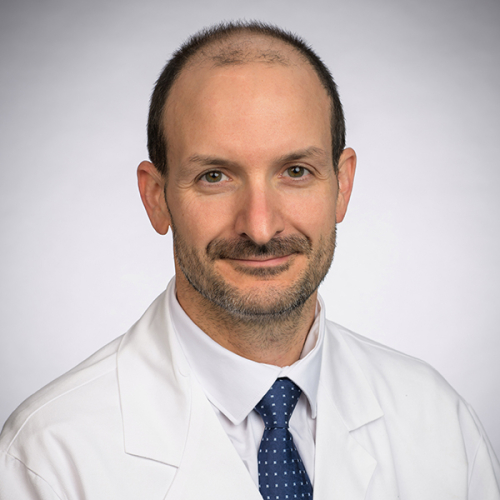 Kyle Wood, M.D., MBA
Wood says the growth in surgical volume reflects something larger than the procedures themselves: UAB Urology’s development of a comprehensive kidney stone program designed to care for patients from their initial stone episode through surgery, recovery, and long-term prevention.
“The volume is really a reflection of the care pathway we’ve built,” Wood said. “Our goal isn’t simply to remove a stone. We want to take care of the entire patient—from getting them through an acute episode efficiently, to performing their surgery safely, to understanding why they form stones and helping prevent the next one.”
Ureteroscopy is one of the most performed minimally invasive procedures for kidney stone treatment. During the procedure, a small scope is passed through the urinary tract into the ureter or kidney, allowing the surgeon to visualize and treat stones without an incision.
Advances in ureteroscopic technology have dramatically improved what surgeons can accomplish through this minimally invasive approach. Newer laser systems allow stones to be fragmented more efficiently, while improvements in digital imaging provide enhanced visualization during complex procedures. Smaller and more flexible scopes have improved surgeons’ ability to navigate the kidney, and newer suction technologies can facilitate more efficient removal of stone fragments.
At UAB, however, Wood believes advances in technology are only one part of the program’s growth.
Rather than treating a kidney stone as an isolated event, the UAB kidney stone program emphasizes comprehensive evaluation and prevention. Patients may undergo metabolic testing and, when appropriate, genetic testing to identify factors contributing to recurrent or complex stone disease. The goal is not only to treat the stone a patient has today, but also to reduce the likelihood of future stones.
“Kidney stone disease is a chronic disease for many patients,” Wood said. “If we only operate on the stone in front of us and send the patient on their way, we’ve missed an important opportunity. We want to understand why that patient formed a stone and give them a strategy to prevent the next one.”
UAB has also developed a streamlined pathway for patients experiencing acute stone-related problems or post-surgical needs. Patients can access a same-day clinic and receive laboratory testing, imaging, fluids, and antibiotics when appropriate at the UAB Kirklin Clinic, allowing many to receive coordinated specialty care without first going through an emergency department.
For patients who may otherwise spend hours in the emergency room and have difficulty navigating multiple care sites, Wood said the approach can make a significant difference.
“We’ve tried to design the system around the patient rather than asking the patient to navigate the system,” Wood said. “That means getting them evaluated quickly, getting them to surgery when they need it and then continuing their care afterward so we can focus on prevention.”
Wood credits that patient-centered approach with increasing recognition of UAB’s stone program throughout the region and contributing to growth in referrals and surgical volume.
“What patients experience here is different because the entire pathway is connected,” Wood said. “As more patients and referring physicians have recognized that, we’ve seen tremendous growth in the number of people coming to UAB for their stone care.”
Wood emphasized that the department performing more than 900 ureteroscopies in a year would not be possible without the coordinated efforts of the entire UAB Urology team.
“This isn’t about one surgeon or one procedure,” Wood said. “It reflects an entire team committed to building a better way to care for patients with kidney stone disease. Our clinical coordinators, schedulers, nurses, advanced practice providers, fellows, research staff, and administrative teams all contribute to that experience. The volume is ultimately a byproduct of getting the care pathway right—and continuing to ask how we can make it better.”