Division of General Internal Medicine and Population Science
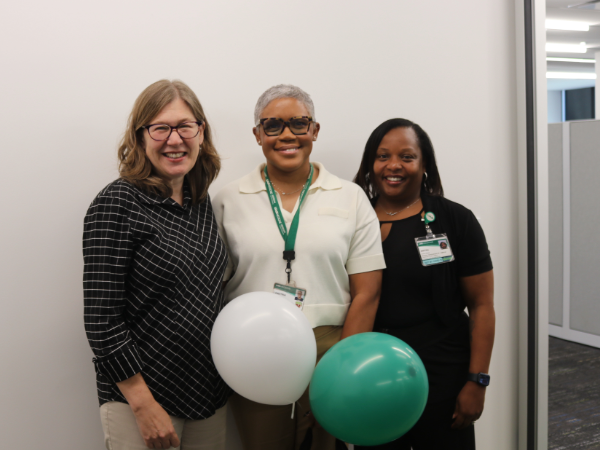
LaNeitria Head has spent 25 years building expertise in finance at UAB, but colleagues say it is her willingness to continually learn, lead, and support others that makes her truly stand out. Now a financial officer in the Division of General Internal Medicine and Population Science within the UAB Department of Medicine, Head has been recognized as the third quarter 2026 recipient of the DOM STAR Award for Staff Excellence.
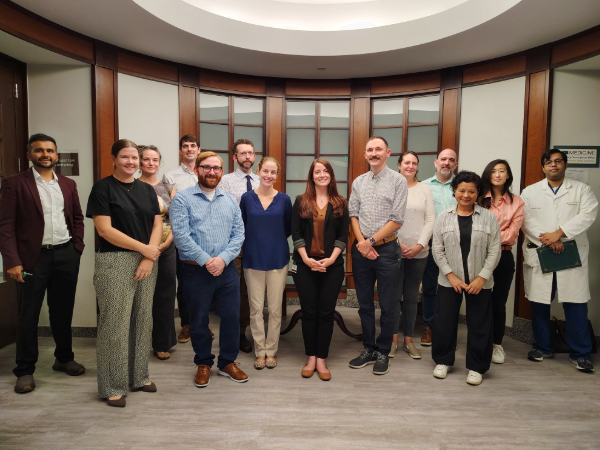
The UAB Medicine Leadership Development Office (LDO) recently recognized 14 individuals in its ninth cohort of Sharing Authentically to Inspire and Lead (SAIL). The fall 2026 graduates received their certificates on Sept. 1.
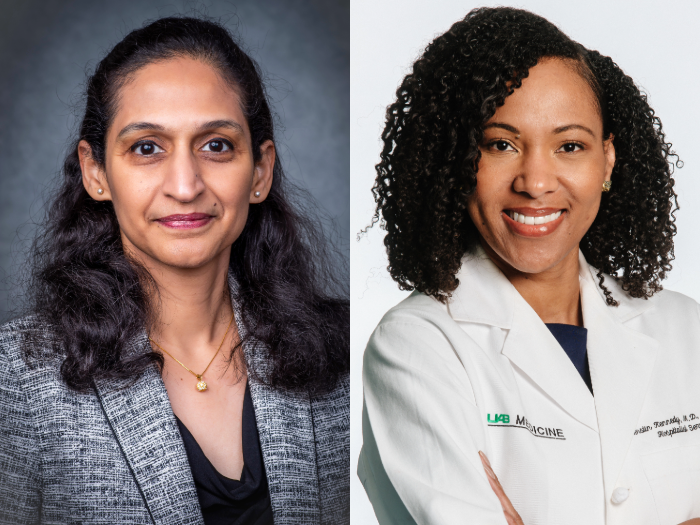
Two Heersink School of Medicine faculty members have graduated from prestigious medicine leadership fellowship programs offered by Drexel University College of Medicine. Lalita Shevde-Samant, Ph.D., professor in the Department of Pathology, has graduated from the Hedwig van Ameringen Executive Leadership in Academic Medicine (ELAM) program. Kierstin Kennedy, M.D., MSHA, professor in the Division of General Internal Medicine and Population Science, has graduated from the Executive Leadership in Healthcare (ELH) program.
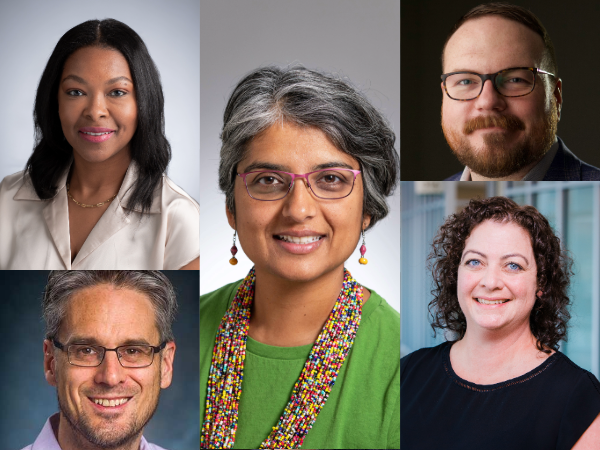
Four projects have been selected as the inaugural awardees of the Dr. Latesha E. Elopre Health Across the Lifecourse (HEAL) Pilot Program, supporting innovative research designed to improve health outcomes across the lifespan.
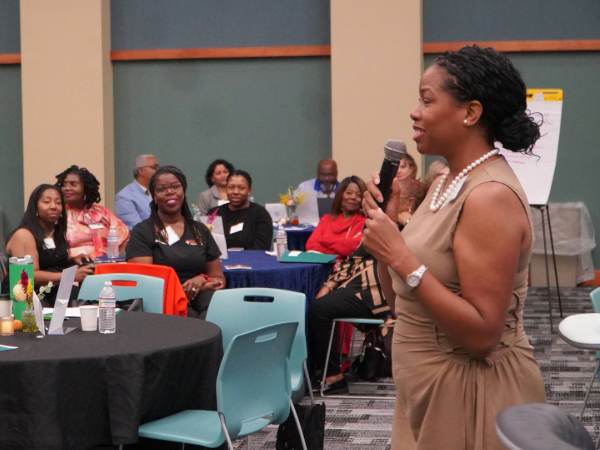
At the Comprehensive Healthy Living Research Center, research is grounded in the realities of the communities with which we collaborate. That connection is facilitated by the Partnerships & Engagement Program, a team dedicated to ensuring research is co-created with communities, not just conducted amongst them.
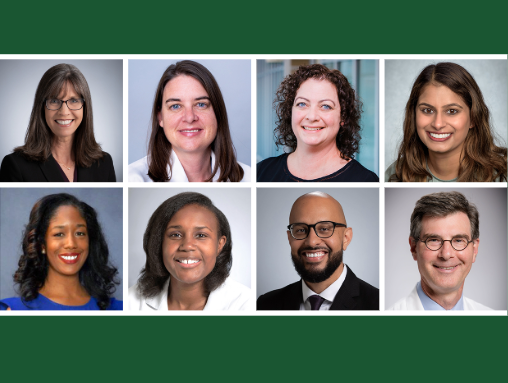
Four interdisciplinary faculty teams have been selected as 2026 GIMPOP research pilot program awardees by the Division of General Internal Medicine and Population Science, recognizing collaborative projects designed to strengthen research, education, and clinical impact across the division.
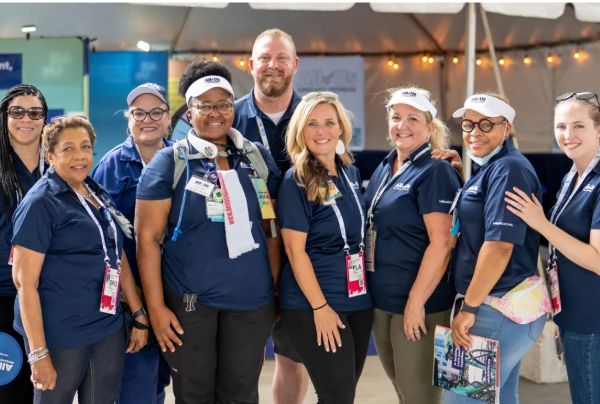
Behind every successful study is a network of people willing to participate, share their experiences, and contribute to knowledge that can improve health outcomes. At the Comprehensive Healthy Living Research Center, that critical connection between investigators and participants is supported by the Participant Access to Research Core (PARC).

At the beginning of each year, many people set health-related goals with the best of intentions. Yet within a few months, those goals often fall away. While this pattern can feel discouraging, it is not a failure of motivation or discipline. Instead, it reflects how the brain, as well as our environment, form – and resist – behavioral change.
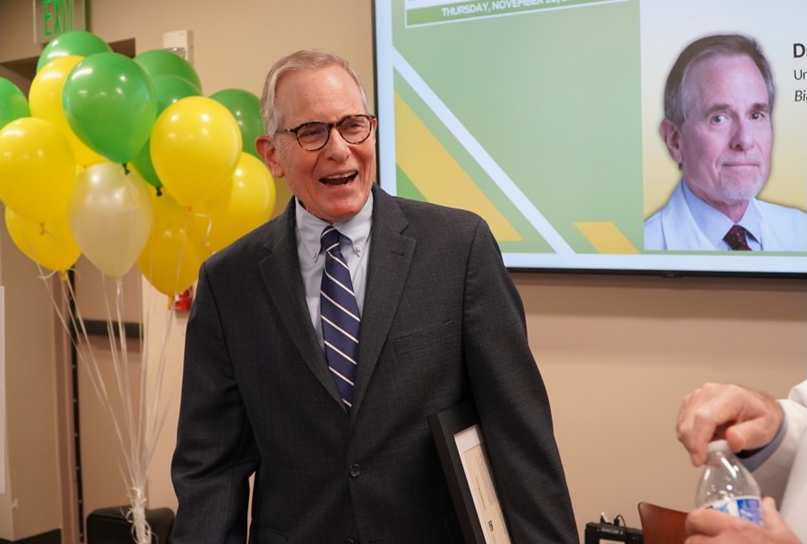
UAB Division of General Internal Medicine and Population Science professor emeritus William “Bill” Curry, M.D., has been named Alabama’s 2025 Community Star.
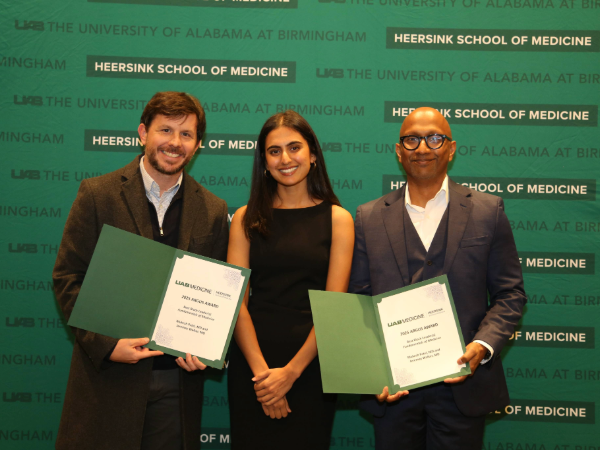
On Friday, November 14, 2025, students from the UAB Heersink School of Medicine gathered to celebrate faculty excellence during the annual Argus Awards Ceremony. Established to recognize outstanding contributions in medical education, the Argus Awards are determined entirely by student nominations and votes, honoring faculty, courses, and course directors who have made a lasting impact throughout the year.
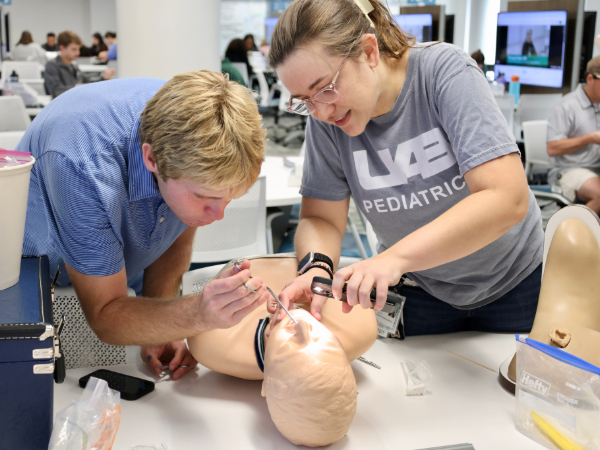
Through hands-on activities, panel discussions, and the inaugural Research Day poster and lightning round competition, UAB Primary Care Week introduced students to the full scope of primary care careers.
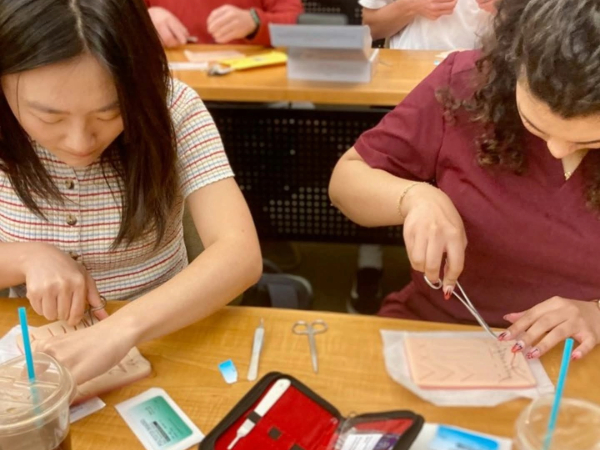
UAB Heersink School of Medicine students can enjoy a week-long celebration of Primary Care Week from October 6-10, 2025. This event-packed week aims to educate physicians-in-training and students across the health spectrum on the pivotal role of primary care in the health care system.
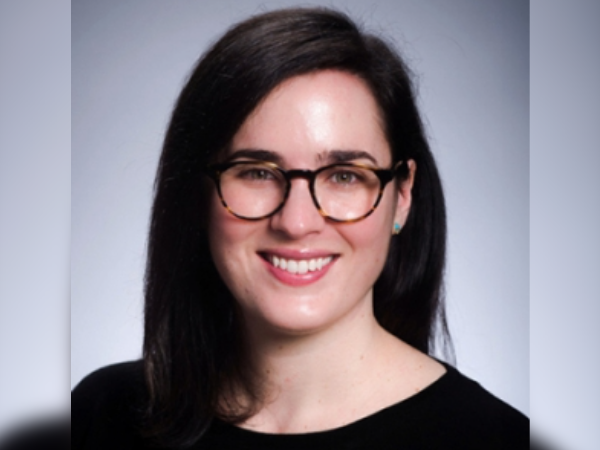
Rebekah Weil, M.D., has been named the associate division director for medical education for the Division of General Internal Medicine and Population Science.
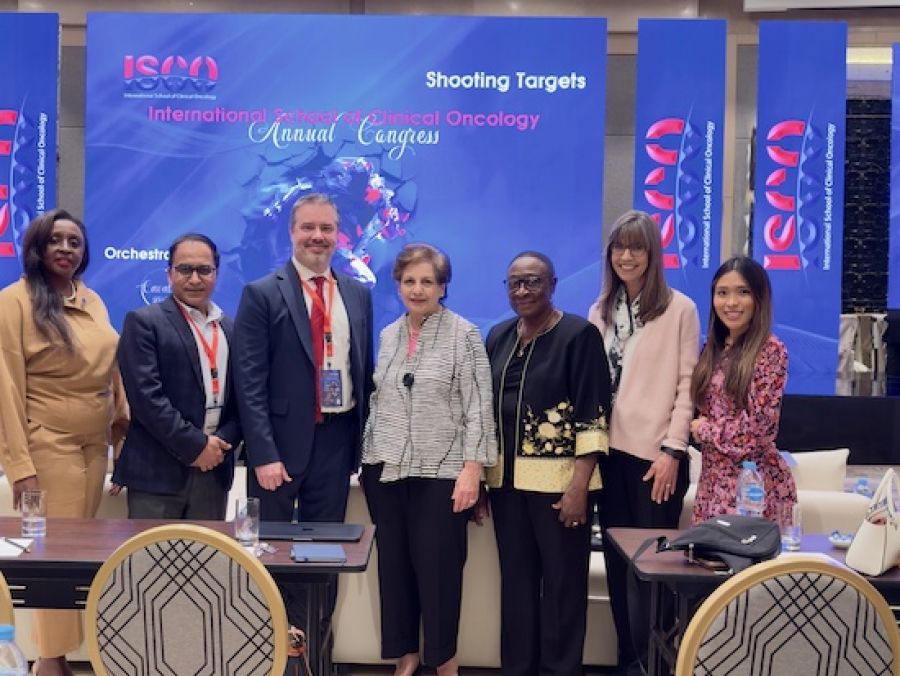
On September 28 and 29, 2023, the University of Alabama at Birmingham (UAB) held the inaugural UAB Global Health Symposium with a mission of “promoting equity in global health partnerships.” One year later, we reflect on the lasting impact of the symposium by recognizing collaborations that have seen continued success because of the event, including an ongoing partnership between UAB and Alexandria University.

Five new scholars have joined the UAB Alzheimer's Disease Research Center's (ADRC) REC Scholars program, which aims to develop research expertise in Alzheimer’s disease and related dementias. As part of the Research Education Component (REC), the program offers mentorship and a specialized curriculum, helping scholars build experience in cross-disciplinary, team-based science.

April Agne, MPH, program director II in the UAB Division of Preventive Medicine and deputy director of the Forge AHEAD Center, has been selected as a recipient of the inaugural Heersink Dean’s Excellence Award for Staff.