Latest News
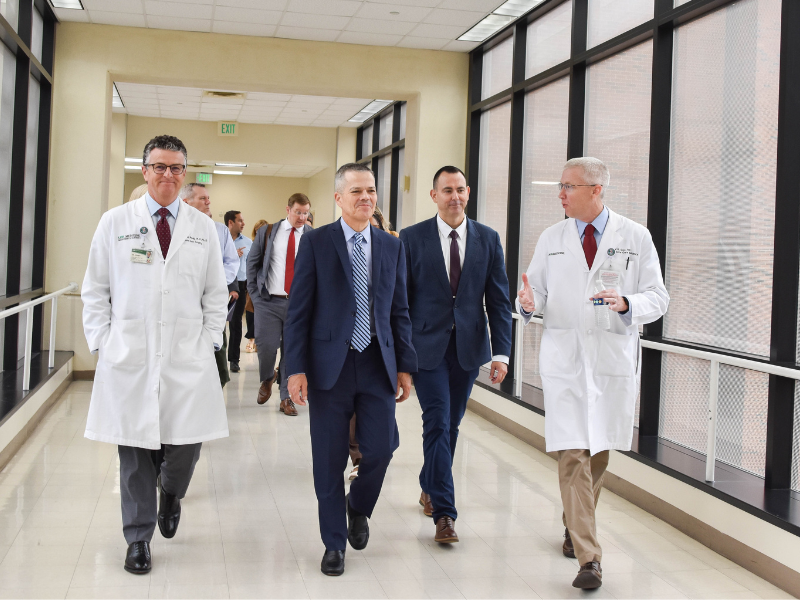
The University of Alabama at Birmingham Division of Trauma and Acute Care Surgery welcomed Lt. Gen. John. J. DeGoes, Surgeon General of the United States Air Force and U.S. Space Force, and Chief Master Sgt. James M. Woods, Chief of the Medical Enlisted Force, for a visit to see firsthand the growth and success of the military-civilian partnership between UAB and the U.S. Air Force.

The University of Alabama at Birmingham (UAB) Department of Pediatrics is proud to announce that six pediatric residents have been selected as the 2026-2027 McDonald Scholars.
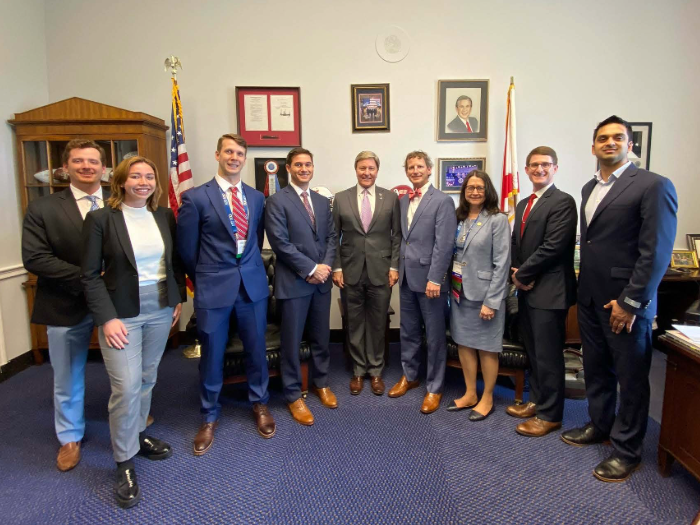
For medical students, travel is an essential part of training. Between presenting research at professional and scientific meetings, participating in mission trips, or taking part in away rotations, traveling as a trainee can provide many valuable opportunities. The Caduceus Club, a 60-year-old non-profit organization made up of physicians, healthcare workers, and community health advocates, supports medical students by funding these activities and encouraging them to stay in Alabama after graduation.
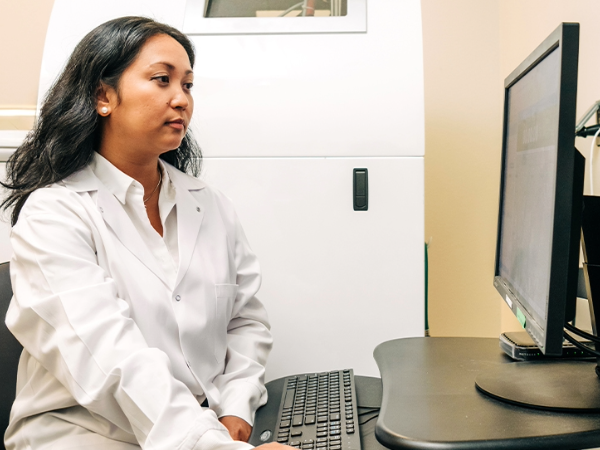
Need help with technology? Whether you're reporting an issue, requesting access, ordering equipment, or seeking application support, submitting a ticket with Medical Education Information Services (MEIS) is the fastest and most effective way to get assistance.

For more than two decades, Mukesh Patel, M.D., associate professor of medicine in the UAB Division of Infectious Diseases and thread leader for microbiology, has helped shape the educational experience of medical students at the UAB Heersink School of Medicine. Over that time, Patel has become a familiar face to generations of students learning the foundations of microbiology and clinical medicine.

The Medical Education Committee continues its review of each clerkship within Heersink School of Medicine. Read more for details about the Internal Medicine Clerkship review, what was identified as strengths for the rotation, and what opportunities for improvement that were found.
The Department of Medical Education continues to highlight the committed and passionate teams that contribute to the mission of Heersink School of Medicine. With the upcoming academic year just around the corner, it’s important to know the individuals who will be training the next generation of physicians.We are thrilled about the team of Clerkship Directors who will be managing the clinical rotations for our third and fourth year students this academic year.
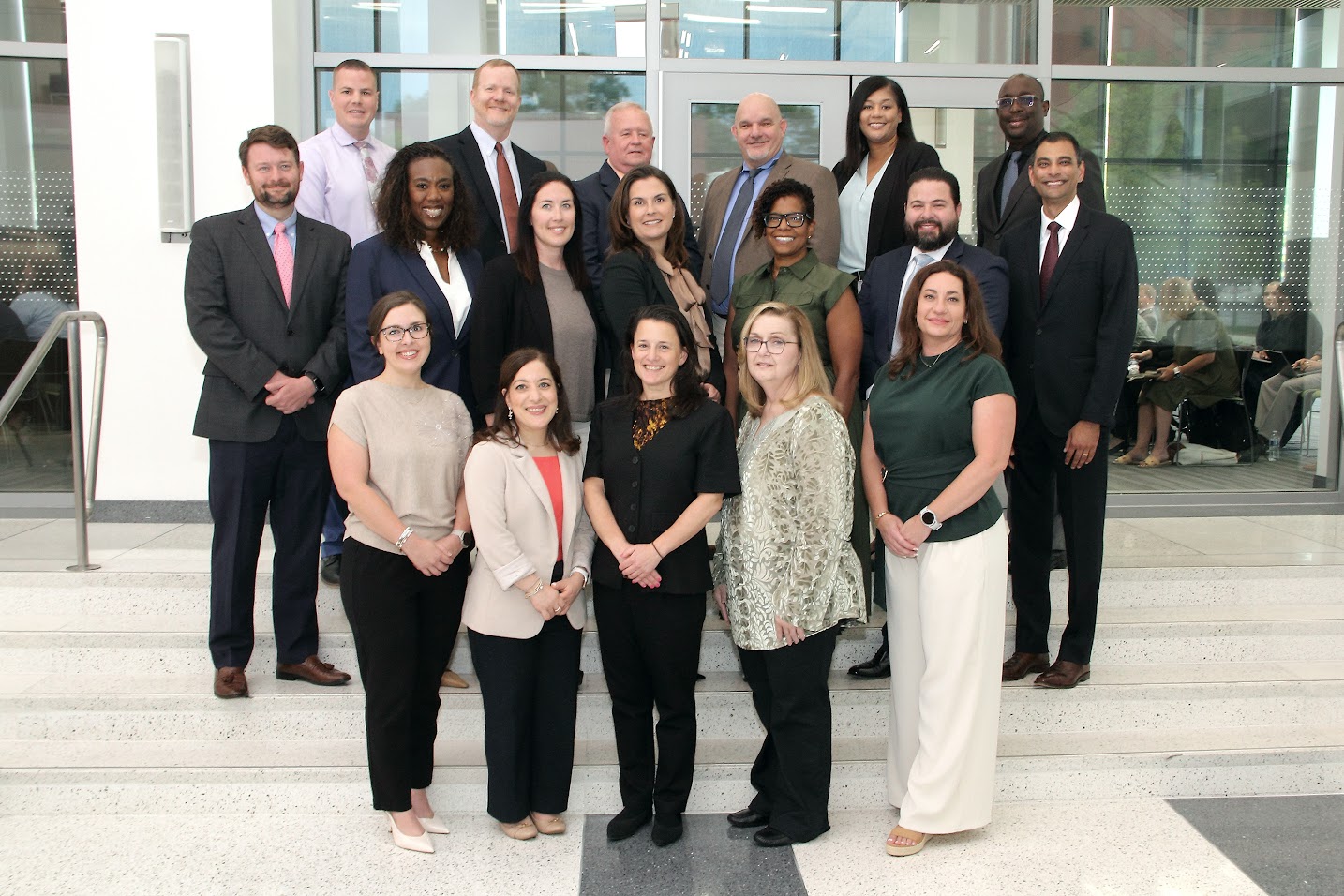
UAB Medicine's Leadership Development Office celebrated the graduation of 18 healthcare leaders from its 12th cohort of the Institute for Leadership during a ceremony held June 24 at the Heersink Conference Center Lobby.

June is recognized as Migraine and Headache Awareness Month, and this year, the city of Birmingham helped shine a light on a condition that affects millions but is often misunderstood.
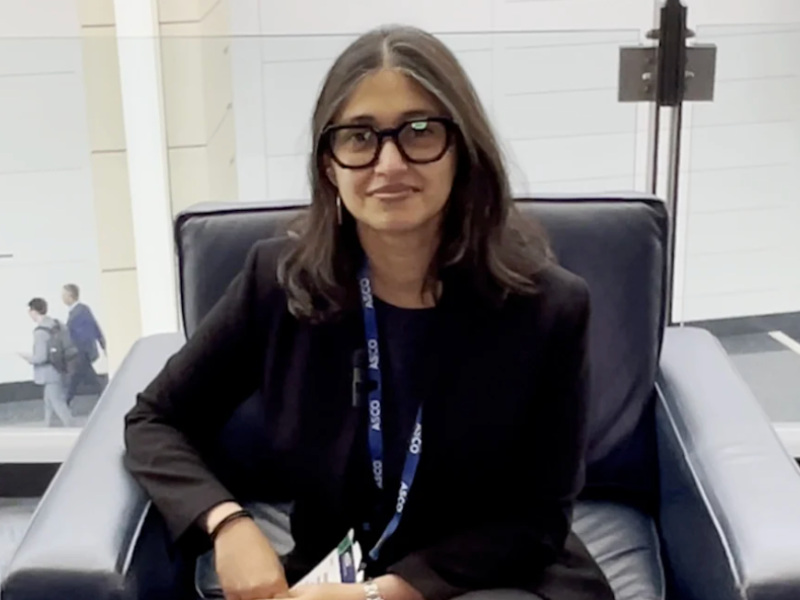
Annabelle Fonseca, M.D., MHS, an associate professor in the UAB Division of Surgical Oncology, is leading research that uses machine learning to identify patients with pancreatic cancer who are at high risk for not receiving guideline-concordant care, the evidence-based treatment associated with the best outcomes.
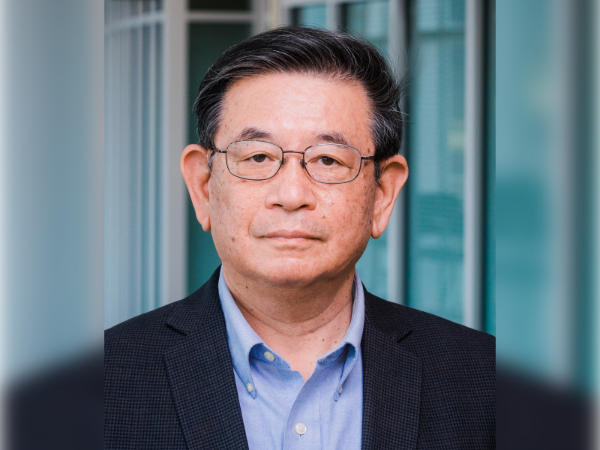
What happens when cancer turns our own proteins against us? Healthy MYC oncoproteins are regulators of cell growth and metabolism, but when driven by cancer, they can contribute to rapid tumor growth and avoid immune responses. MYC-driven cancers account for more than half of human cancers and are a major cause of mortality.
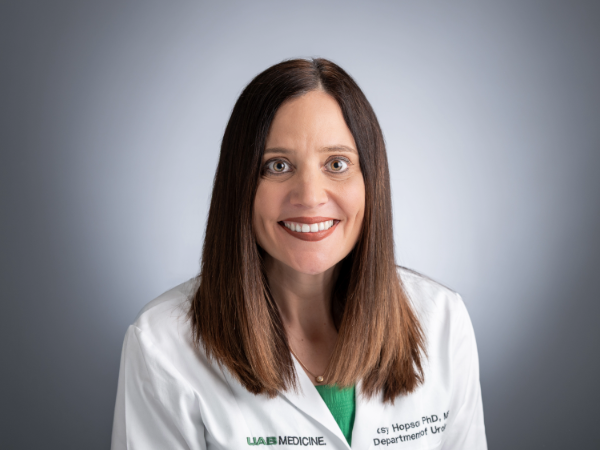
Betsy Hopson, Ph.D., MSHA, assistant professor in the UAB Department of Urology, director of the Staging Transition for Every Patient (STEP) program at UAB, recently secured two funding sources to address a critical, often-overlooked gap in care for patients with spina bifida involving catheterization education.
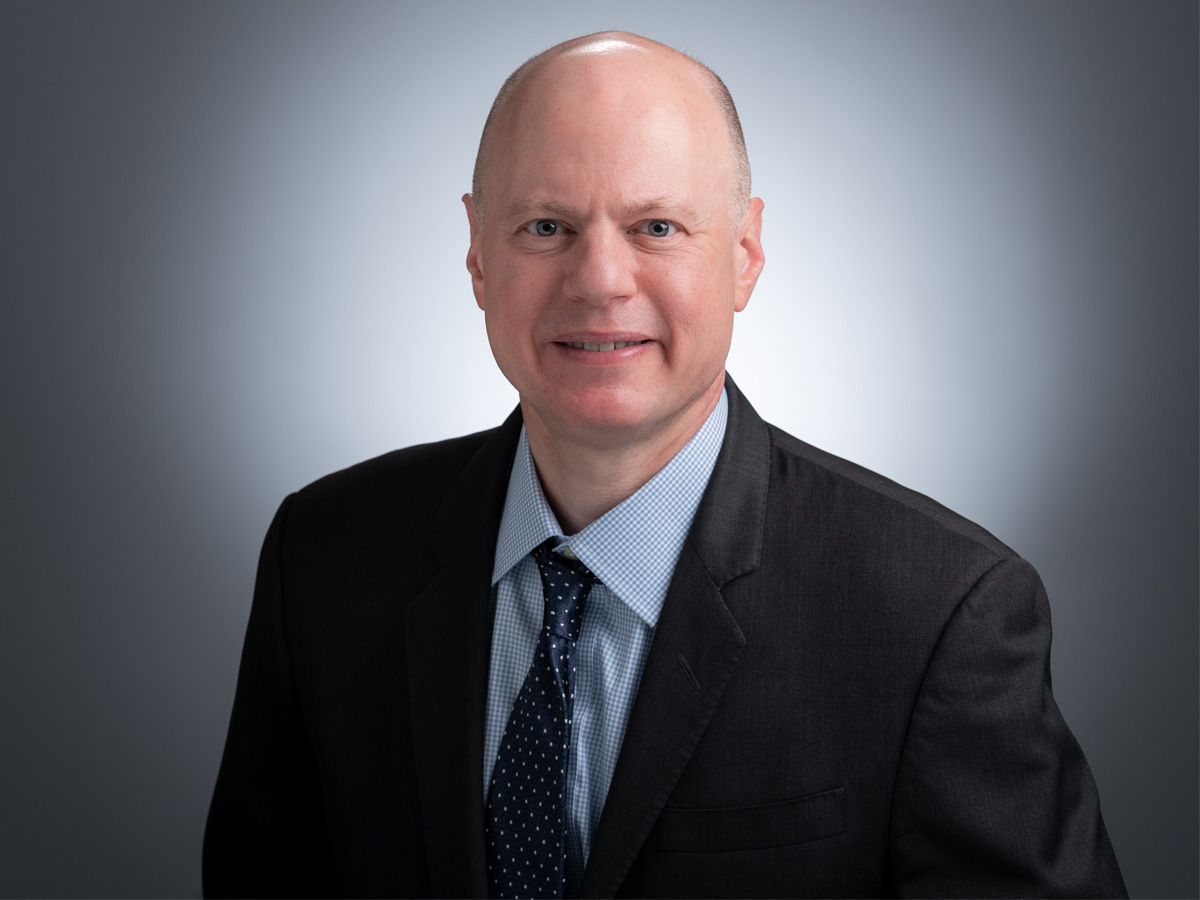
The UAB Marnix E. Heersink School of Medicine has named Joshua Stein, M.D., M.S., as the inaugural associate dean for data sciences, effective July 1, 2026.
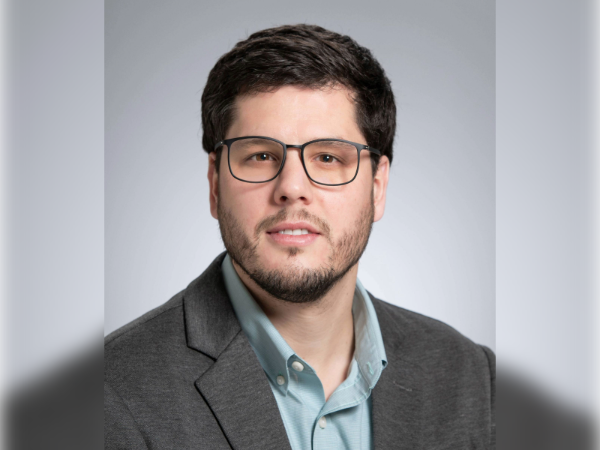
Diseases linked to atherosclerosis, such as coronary artery disease, are the leading cause of death in the United States. Healthy arteries are elastic, but as we age, fats, cholesterol, and other substances form plaque in the arteries. This build up can narrow artery walls, block blood flow, or can burst, which may lead to blood clotting. Although aging is the strongest known risk for atherosclerosis, there is a significant gap in understanding how aging promotes the condition.
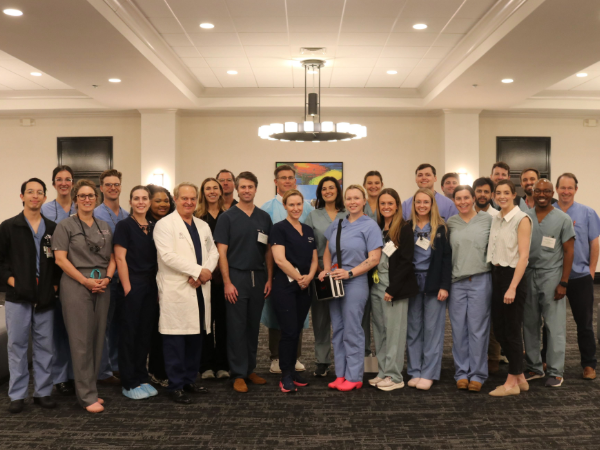
The UAB Department of Otolaryngology-Head and Neck Surgery recently welcomed physicians, trainees, and faculty from across the Southeast for its inaugural Facial Plastic and Reconstructive Surgery (FPRS) Course, a two-day continuing medical education event focused on advancing knowledge and surgical skills in facial plastic and reconstructive surgery.
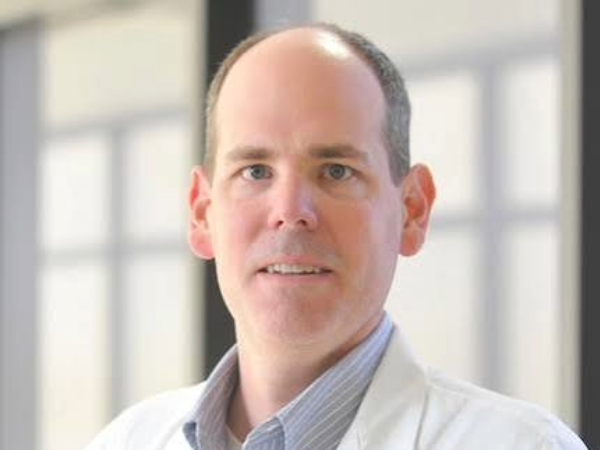
David Miller, M.D., vice chair and director of the Division of Critical Care Medicine in the UAB Department of Anesthesiology and Perioperative Medicine, has been named the inaugural Mali E. Mathru, M.D., Endowed Faculty Scholar for Anesthesiology. The position was established to honor the career of Mali Mathru, M.D., and to provide lasting support for a faculty member advancing research, education, and clinical innovation in anesthesiology and critical care medicine.
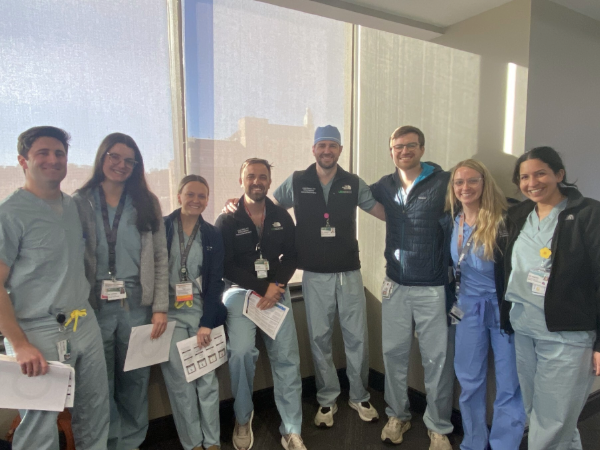
The UAB Department of Otolaryngology – Head and Neck Surgery is leading the way with a new non-clinical curriculum for its residency program that features practical courses for trainees as they prepare to take on leadership positions, start and run a practice, and more.
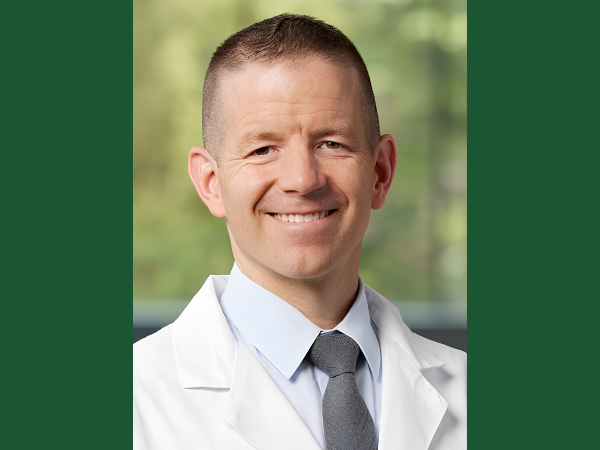
It is with great enthusiasm that the UAB Department of Surgery welcomes Teviah Sachs, M.D., MPH, as director for the Division of Surgical Oncology, beginning July 15, 2026.
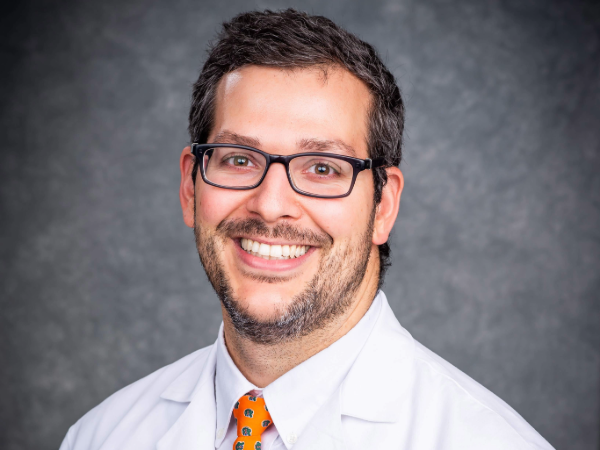
Adolfo Molina, M.D., associate professor in the Division of Pediatric Hospital Medicine at the University of Alabama at Birmingham (UAB) Department of Pediatrics, has been selected to serve on the American Academy of Pediatrics (AAP) Pediatric Acute and Critical Care Quality Network (PACCQN) Steering Committee.
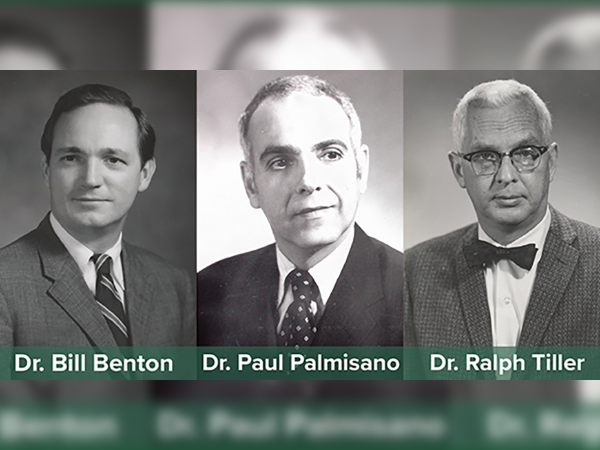
The University of Alabama at Birmingham (UAB) Department of Pediatrics is pleased to announce the 2026-2027 Founders’ Fund recipients.
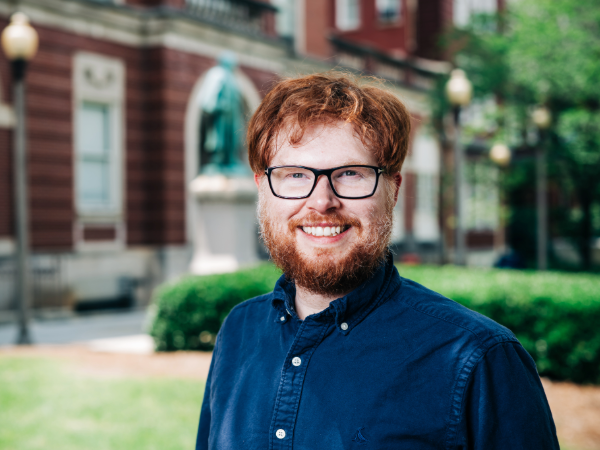
Ryan L. Melvin, Ph.D., associate professor in the UAB Department of Anesthesiology and Perioperative Medicine, has been appointed director of the newly-launched Heersink School of Medicine (SOM) Digital Service Unit (DSU), further elevating the department’s leadership role in advancing artificial intelligence initiatives across UAB.
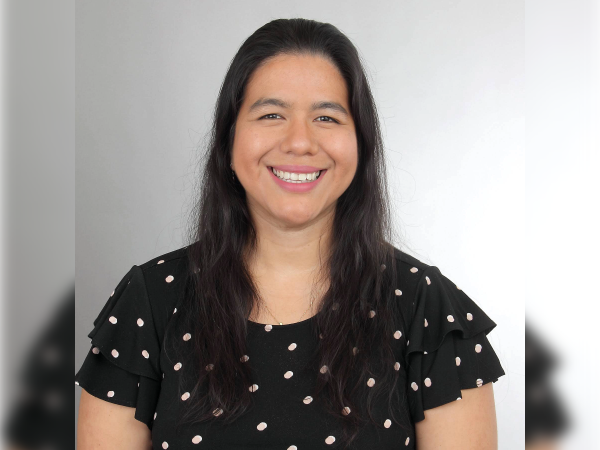
Maria Rueda-Altez, M.D., assistant professor in the Division of Pediatric Infectious Diseases at the University of Alabama at Birmingham (UAB) Department of Pediatrics, has been appointed to the National Board of Medical Examiners (NBME) United States Medical Licensing Examination (USMLE) Microbiology and Immunology Test Material Development Committee.
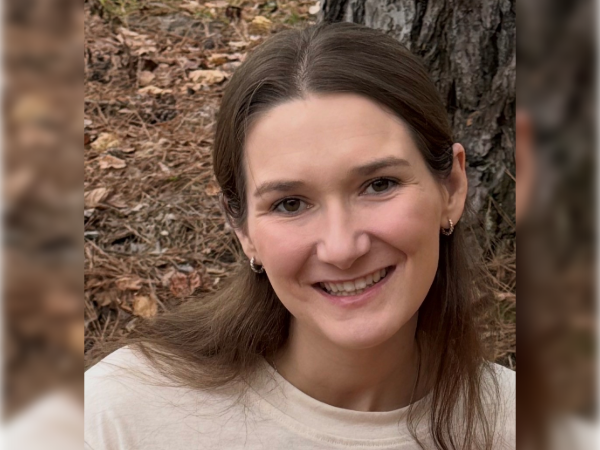
For the past year, Emma Nichols, R.N., has served patients and families in the University of Alabama at Birmingham (UAB) Department of Pediatrics Primary Care Clinic. As a registered nurse with seven years of nursing experience, Nichols provides compassionate care to children while helping families feel informed and supported throughout their visits.
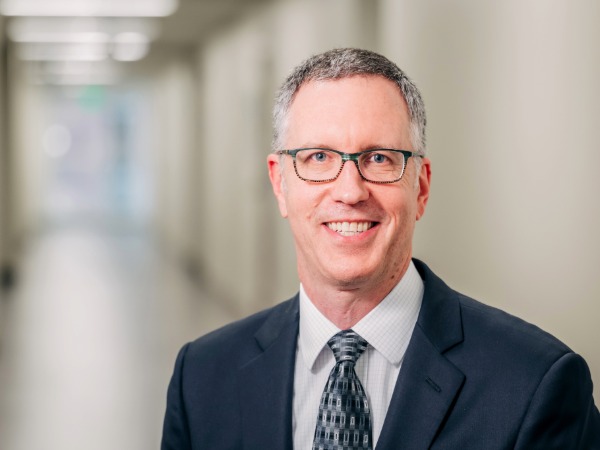
A landmark Alzheimer's disease clinical trial has provided the strongest evidence to date that lowering the protein tau can slow cognitive decline in patients. The findings build on pioneering research published in Science in 2007 by UAB neurologist Erik D. Roberson, M.D., Ph.D., who was first author on a study demonstrating that reducing tau protected mouse models of Alzheimer's disease from amyloid-related damage.
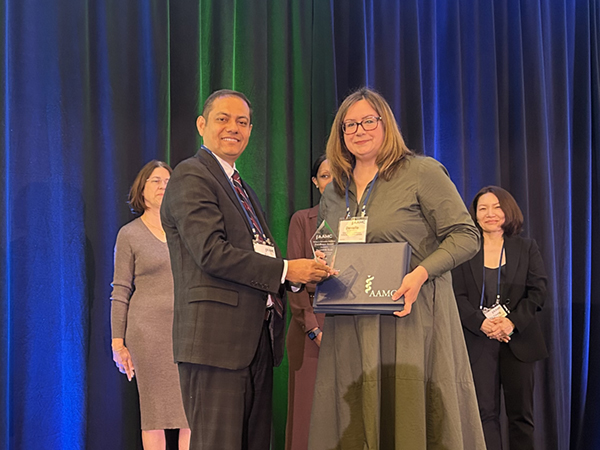
DataLENS, a robust clinical data access tool jointly managed by the Department of Biomedical Informatics and Data Science and the Center for Clinical and Translational Science, was awarded the AAMC Group on Information Resources (GIR) Excellence Award.
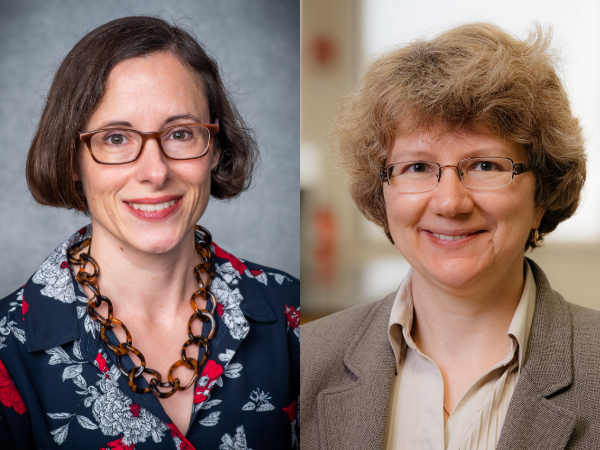
Karin Hardiman, M.D., Ph.D., the associate vice chair of basic research in the UAB Division of Gastrointestinal Surgery, and Eugenia Kharlampieva, Ph.D., professor in the UAB Department of Chemistry, have pioneered a promising new strategy to overcome one of the most persistent challenges in rectal cancer care – resistance to standard chemoradiation therapy.
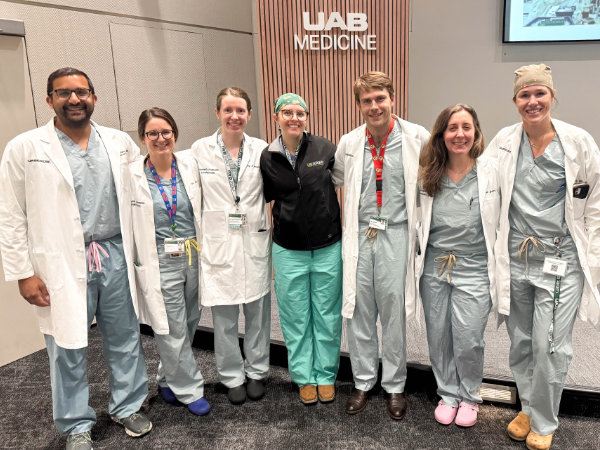
The UAB General Surgery Residency Program recognized outstanding residents, faculty, advanced practice providers, and staff during its annual Awards Day celebration.
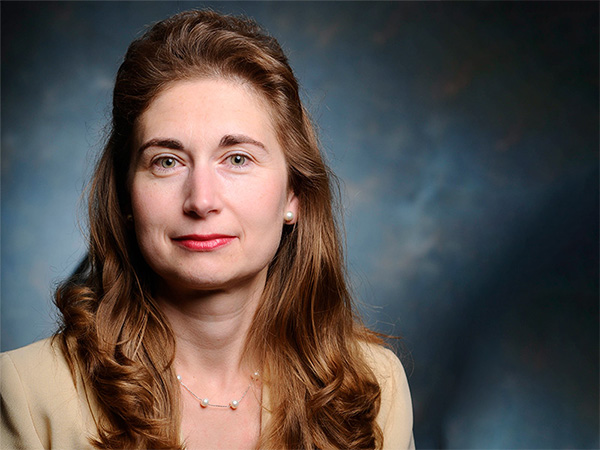
Anath Shalev, M.D., director of the UAB Comprehensive Diabetes Center, was invited to speak on novel approaches to protecting pancreatic beta cells at the Type 1 Diabetes Early Detection Summit 2026, hosted by the University of Birmingham in the United Kingdom on June 15-16.

After gaining hands-on experience as a clinic technician at UAB, Worathon "Ikq" Dechanuwong, M.S., is taking the next step in his journey to become a physician. This fall, he will begin medical school at the University of South Alabama, carrying with him a passion for compassionate, patient-centered care.
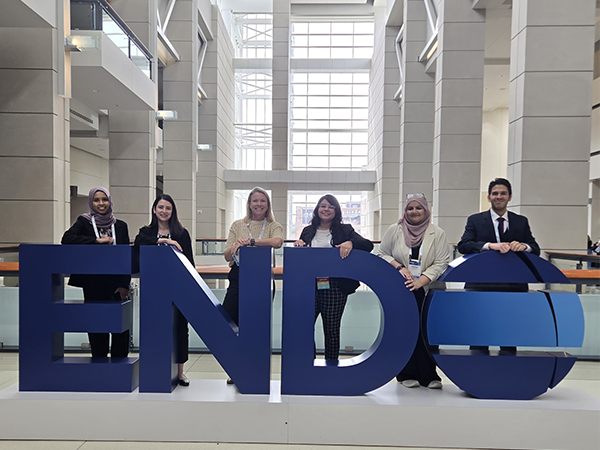
Trainees under the mentorship of UAB Comprehensive Diabetes Center faculty members in the UAB Division of Endocrinology, Diabetes & Metabolism and Division of Pediatric Endocrinology presented their latest research at the Endocrine Society meeting in Chicago, June 13-16.