UA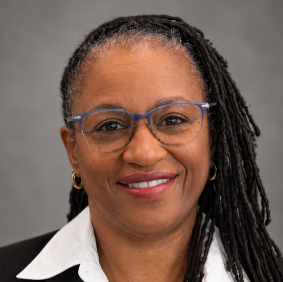 Michelle JohnsonB’s Center for Community Outreach Development (CORD) has received a five-year renewal of its National Cancer Institute-funded RACE21 program, ensuring continued support for undergraduate students pursuing careers in cancer research while expanding outreach and cancer education opportunities across Alabama.
Building the Next Generation of Cancer Researchers
RACE21, a Youth Enjoy Science program funded by the National Cancer Institute, provides undergraduate students with research experiences, mentorship, and professional development opportunities in clinical and basic science cancer biology. According to Michelle Johnson, program manager and director of RACE21, the renewal reflects the success of a collaborative model that prepares students to become future leaders in cancer research while strengthening cancer education and community engagement.
RACE21 is a collaborative effort among UAB’s Center for Community Outreach Development (CORD), the O’Neal Comprehensive Cancer Center, and the Department of Cell, Developmental and Integrative Biology. Together, the partners provide students with access to cancer research laboratories, faculty mentorship, educational programming, and community outreach opportunities that support the program’s mission of developing the next generation of cancer researchers.
“The renewal allows CORD to continue engaging students in biomedical sciences and connect them to meaningful research and outstanding mentoring opportunities,” Johnson said. “The program expands cancer education, research training, and outreach.”
The renewed funding also strengthens support for UAB’s undergraduate Cancer Biology program. The first two graduates of the major were both RACE21 scholars, with one now enrolled in the Heersink School of Medicine and the other attending the UAB School of Dentistry. The additional funding will allow the program to recruit and support more students interested in cancer research through mentorship, research experiences, and professional development opportunities.
During its first five years, RACE21 has helped move more than 45 students toward careers in cancer research and achieved a 98.5% four-year graduation rate among participating scholars. Students in the program have also authored more than 30 peer-reviewed research articles and regularly present their work at local and national conferences.
Beyond research accomplishments, students gain opportunities to mentor younger learners through BioBridge, a summer program for rising ninth-grade students led in part by RACE21 scholars. To date, RACE21 participants have peer-mentored more than 200 high school students through the program.
The program's impact extends beyond research training, with many scholars citing mentorship and outreach opportunities as formative experiences in their academic and professional development.
“The RACE 21 Scholar Program gave me the platform to bridge cutting-edge cancer research with hands-on STEM mentorship and community education,” said EK, Class of 2027. “Paying that forward by inspiring the next generation through CORD, the very program that first ignited my own love for science, is proof that real impact happens when we bring groundbreaking science directly into the classroom and back to our communities.”
JL, Class of 2027, said RACE21 helped shape her academic journey by providing research opportunities and mentorship.
“The experiences I have been introduced to and gained as a RACE21 Scholar have profoundly shaped my academic and professional development through the BioBridge summer camp and emphasis on cancer-related research,” JL said. “It was through amazing guidance and mentorship from Mrs. Johnson that I was able to join a research lab and further develop my research experience to this day.”
Expanding Cancer Education and Prevention Awareness
About 40% of cancers in the United States are linked to modifiable risk factors such as smoking, diabetes, and obesity, according to information shared by Johnson. Cancer remains the second-leading cause of death in Alabama, making early education and awareness particularly important. Introducing students to cancer biology and prevention at a young age can help increase understanding of cancer risks, prevention strategies, and the role of biomedical research.
For undergraduate scholars, teaching and mentoring through BioBridge provides another layer of professional development.
“They benefit by strengthening their leadership and mentoring skills and creating a foundation for becoming a part of the workforce that will move cancer detection, prevention, treatment, and even cures forward in the 21st century,” Johnson said.
Strengthening Partnerships for Future Growth
RACE21’s success relies on partnerships across UAB. Faculty researchers, clinicians, educators, and trainees contribute to student development through research mentorship, educational programming and community outreach efforts. The program also complements UAB’s Cancer Biology major, which was developed alongside the original launch of RACE21.
The program's emphasis on mentorship continues to influence scholars long after graduation, with alumni crediting faculty and program leadership for their personal and professional growth.
“RACE21 was foundational to my journey in medicine and science,” said SJ, a 2023 UAB graduate and current student at Lincoln Memorial University-DeBusk College of Osteopathic Medicine. “It paired rigorous cancer research and invaluable faculty mentorship with opportunities to lead, communicate complex science and build lasting bonds with colleagues who remain close friends.”
SE, a 2024 graduate and current Heersink School of Medicine student, said the support she received through the program continues to guide her today.
“Michelle has been and continues to be a pivotal pillar of support, role model and mentor in my life,” SE said. “Her wisdom, compassion and unwavering support have made her an invaluable influence in my life, and I am confident that she will continue to make the same meaningful difference in the lives of the students she mentors.”
Looking ahead, program leaders hope to expand the RACE21 pathway, reach new student populations, and continue building interest in cancer research among students across Alabama. The goal, Johnson said, is not only to develop future researchers but also strong communicators and mentors who can help advance cancer prevention, detection, and treatment.
“We hope students leave RACE21 with the confidence and skills necessary to pursue their academic and career-focused goals and to become great mentors,” she said.