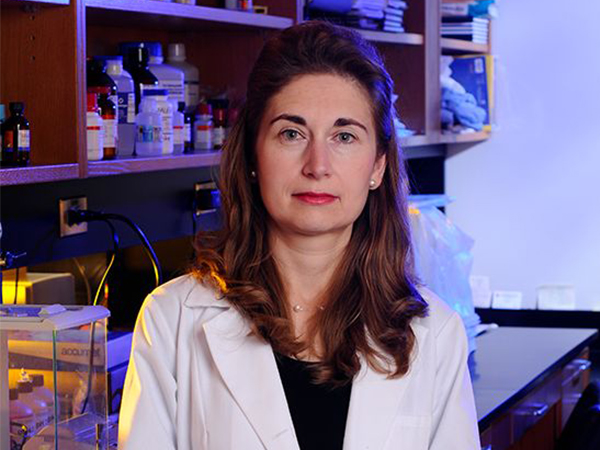
 Anath Shalev, M.D.
The University of Alabama at Birmingham startup TIXiMED Inc. has launched the next phase of clinical testing for a novel oral therapy for Type 1 diabetes, moving the treatment one step closer to potential use in patients.
The company announced July 7 that it has initiated a Phase 1b Multiple Ascending Dose (MAD) study of TIX100, a small-molecule drug designed to inhibit thioredoxin-interacting protein (TXNIP), a protein linked to pancreatic beta-cell loss and diabetes progression.
An estimated 9.5 million people worldwide live with Type 1 diabetes, a chronic disease in which insulin-producing beta cells are damaged or destroyed. While existing therapies, including daily insulin injections, help manage blood sugar, no oral treatment currently targets the underlying loss of beta-cell function.
TIX100 is based on more than two decades of research led by Anath Shalev, M.D., professor in the UAB Division of Endocrinology, Diabetes and Metabolism. Shalev's research identified TXNIP as a key driver of beta-cell loss in diabetes. Her team has shown in animal studies and human research that inhibiting TXNIP protects beta cells and supports islet health.
Shalev co-founded TIXiMED in 2021 through UAB’s Bill L. Harbert Institute for Innovation and Entrepreneurship to develop TIX100 as a potential oral treatment for Type 1 diabetes.
The Phase 1b study follows completion of a Phase 1a Single Ascending Dose trial in 2025, in which TIX100 was found to be safe and well tolerated in healthy subjects.
The new double-blind, randomized, placebo-controlled study will evaluate the drug’s safety, tolerability, and pharmacokinetics. Researchers will enroll 18 healthy participants across three dose cohorts at a single U.S. study site. Participants will receive either TIX100 or a placebo twice daily for 28 days, followed by a seven-day follow-up period.
The trial is also supported by favorable results from expanded pharmacokinetic and safety studies included in the company’s Investigational New Drug package approved by the U.S. Food and Drug Administration.
“Over two decades, our research has established TXNIP as a key driver of pancreatic islet beta-cell loss and diabetes progression,” Shalev said. “TIX100 now provides a clinical translation of these biological findings. The single-dose study gave us a first encouraging metabolic signal in humans, and the MAD study will generate the longer-term safety data needed before advancing to a Phase 2a study in people with recent-onset Type 1 diabetes.”
In addition to its potential use in Type 1 diabetes, TIX100 may have applications in Type 2 diabetes and obesity. A recent study published in the journal Diabetes, Obesity and Metabolism found that the drug prevented weight regain and preserved lean mass after discontinuation of GLP-1 therapies in preclinical models.
Shalev is the Nancy R. and Eugene C. Gwaltney Family Endowed Chair in Juvenile Diabetes Research and director of the UAB Comprehensive Diabetes Center.