Sunshine and Sunglasses
Published Date: Jul 13
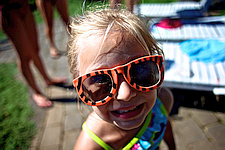


 image by Jonathan Clapper
Safety for our sight is an ongoing concern. Everyone, whether doing research, maintenance, healthcare, etc., should protect their eyes. An involuntary movement of the eye, a blink, is part of several reflexes that we use to protect our eyes. Something as simple as sunglasses can help ensure that your vision remains intact and your sight uncompromised. Sunglasses protect your eyes from UV rays and reduce the risk of cataracts. They also protect the tender skin around your eyes from sun exposure.
image by Jonathan Clapper
Safety for our sight is an ongoing concern. Everyone, whether doing research, maintenance, healthcare, etc., should protect their eyes. An involuntary movement of the eye, a blink, is part of several reflexes that we use to protect our eyes. Something as simple as sunglasses can help ensure that your vision remains intact and your sight uncompromised. Sunglasses protect your eyes from UV rays and reduce the risk of cataracts. They also protect the tender skin around your eyes from sun exposure.
Sunglasses are a form of protective eyewear designed primarily to prevent bright sunlight and high-energy visible light from damaging or discomforting the eyes. Prolonged exposure to sun can lead to a variety of ailments, including skin cancers or glaucoma. Sunglasses can also deter sand, dust and wind. They can sometimes also function as a visual aid.
If you enjoy spending time in the Alabama sun, you’ll be able to see through the glare when wearing a good pair of polarized sunglasses. Sunglasses that block both UVA and UVB rays offer the best protection. Most sunglasses sold in the United States, regardless of cost, meet this standard. Wrap-around sunglasses work best because they block UV rays from sneaking in from the side.
Reference: CDC
image by Jonathan ClapperSunglasses are a form of protective eyewear designed primarily to prevent bright sunlight and high-energy visible light from damaging or discomforting the eyes. Prolonged exposure to sun can lead to a variety of ailments, including skin cancers or glaucoma. Sunglasses can also deter sand, dust and wind. They can sometimes also function as a visual aid.
If you enjoy spending time in the Alabama sun, you’ll be able to see through the glare when wearing a good pair of polarized sunglasses. Sunglasses that block both UVA and UVB rays offer the best protection. Most sunglasses sold in the United States, regardless of cost, meet this standard. Wrap-around sunglasses work best because they block UV rays from sneaking in from the side.
Reference: CDC
Lab Closeouts
Published Date: Jun 02
EHS has recently updated the Lab Closeout Procedures.
All labs must be "closed out" as part of the process for either leaving UAB or moving the laboratory to a new location. This relatively straightforward process is designed to prevent chemicals from being left behind and waste materials or biological components from potentially endangering those who may come into the lab for renovation work.
Once you have a move date scheduled, you can download and start to complete the lab closeout and decommissioning checklist. Once this checklist is complete, contact EHS to set up a time convenient to have the lab decommissioned and closed out.
Safety release tags should be placed on equipment and the equipment moved prior to the closeout.
The lab should be completely empty at the time of the closeout unless previous arrangements have been made with EHS, Department Chairs, and other Principal Investigators intending to reoccupy the space.
All labs must be "closed out" as part of the process for either leaving UAB or moving the laboratory to a new location. This relatively straightforward process is designed to prevent chemicals from being left behind and waste materials or biological components from potentially endangering those who may come into the lab for renovation work.
Once you have a move date scheduled, you can download and start to complete the lab closeout and decommissioning checklist. Once this checklist is complete, contact EHS to set up a time convenient to have the lab decommissioned and closed out.
Safety release tags should be placed on equipment and the equipment moved prior to the closeout.
The lab should be completely empty at the time of the closeout unless previous arrangements have been made with EHS, Department Chairs, and other Principal Investigators intending to reoccupy the space.
Dress for Success in the Research Laboratory
Published Date: Jun 01
Like most other activities, working in a research laboratory has a dress code. Since many of the materials used in research can cause injury or disease if they contact the skin, proper attire is for protection instead of fashion.
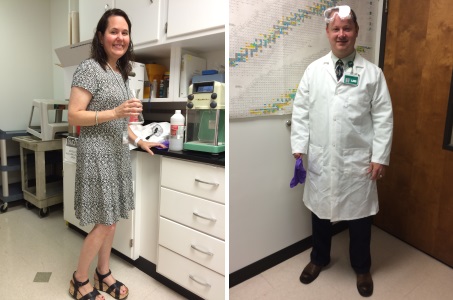
The basic "ensemble" consists of a shirt, long pants or skirt which reaches the ankles, closed toe shoes made of nonabsorbent material, nitrile gloves, and a buttoned lab coat with long sleeves. Sadly, the shorts and sandals that make our Alabama summers more bearable, don’t provide the protection necessary for safe work around potentially hazardous materials. A set of economical scrubs and work shoes stored in your desk or gym bag may be the answer.
This basic outfit should be "accessorized" with additional personal protective equipment (PPE) depending on the task and agents being used.
Read more
The basic "ensemble" consists of a shirt, long pants or skirt which reaches the ankles, closed toe shoes made of nonabsorbent material, nitrile gloves, and a buttoned lab coat with long sleeves. Sadly, the shorts and sandals that make our Alabama summers more bearable, don’t provide the protection necessary for safe work around potentially hazardous materials. A set of economical scrubs and work shoes stored in your desk or gym bag may be the answer.
Examples of improper personal protective equipment (PPE), left, and proper PPE, right
This basic outfit should be "accessorized" with additional personal protective equipment (PPE) depending on the task and agents being used.
Read more