Lab Moves and Closeouts
Published Date: May 30
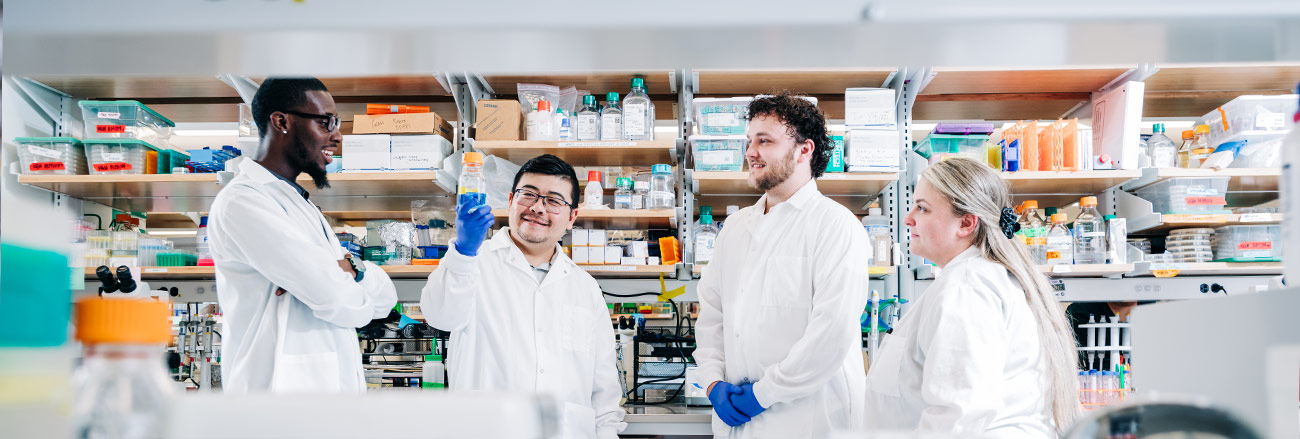
All labs must be "closed out" as part of the process for either leaving UAB or moving the laboratory to a new location.
This is a relatively straightforward process designed to prevent chemicals from being left behind. The process also prevents waste materials or biological components from potentially endangering those who may come into the lab for renovation work.
Follow these easy steps to close out your lab.
This is a relatively straightforward process designed to prevent chemicals from being left behind. The process also prevents waste materials or biological components from potentially endangering those who may come into the lab for renovation work.
Follow these easy steps to close out your lab.
Extreme Heat! Be Prepared!
Published Date: May 25


 image by Joost Nelissen
Heat kills by pushing the human body beyond its limits. In extreme heat and high humidity, evaporation is slowed and the body must work extra hard to maintain a normal temperature.
image by Joost Nelissen
Heat kills by pushing the human body beyond its limits. In extreme heat and high humidity, evaporation is slowed and the body must work extra hard to maintain a normal temperature.
Temperatures are rising across the country and many cities are feeling the heat of 100 degrees or more. With the addition of humidity, some areas will begin to experience extreme heat. During extreme heat, it is important to stay cool.
Extreme heat causes more deaths than hurricanes, tornados, floods and earthquakes combined. Heat related illnesses occur when the body is not able to compensate and properly cool itself. The great news is extreme heat is preventable by following a few tips:
Read more
image by Joost NelissenTemperatures are rising across the country and many cities are feeling the heat of 100 degrees or more. With the addition of humidity, some areas will begin to experience extreme heat. During extreme heat, it is important to stay cool.
Extreme heat causes more deaths than hurricanes, tornados, floods and earthquakes combined. Heat related illnesses occur when the body is not able to compensate and properly cool itself. The great news is extreme heat is preventable by following a few tips:
Read more
2018 Hurricane Preparedness Week
Published Date: May 07
Even though we live inland a few hundred miles we can still have issues associated with hurricanes. The biggest problem with hurricanes in our part of central Alabama is spin-off tornadoes. Each year the National Weather Service promotes National Hurricane Preparedness Week. This year National Hurricane Preparedness Week is May 6-12.
UAB Emergency Management encourages everyone to make sure you are prepared for hurricanes, high winds, spin–off tornadoes, and flooding. To help with your preparedness efforts, UAB Emergency Management has prepared checklists that you can take with you to the store to help gather the supplies needed. Also, the National Weather Service has additional information where you can determine your risk, developing an evacuation plan, strengthening your home, and other important information.
uab.edu/emergency
weather.gov/wrn/hurricane-preparedness
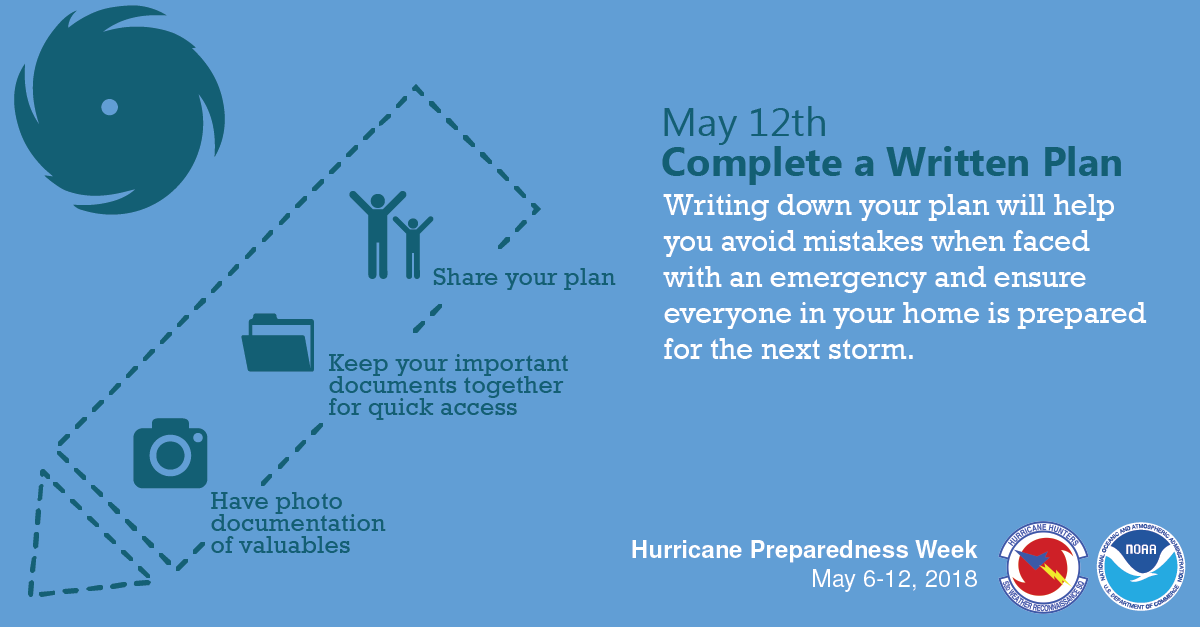
UAB Emergency Management encourages everyone to make sure you are prepared for hurricanes, high winds, spin–off tornadoes, and flooding. To help with your preparedness efforts, UAB Emergency Management has prepared checklists that you can take with you to the store to help gather the supplies needed. Also, the National Weather Service has additional information where you can determine your risk, developing an evacuation plan, strengthening your home, and other important information.
uab.edu/emergency
weather.gov/wrn/hurricane-preparedness