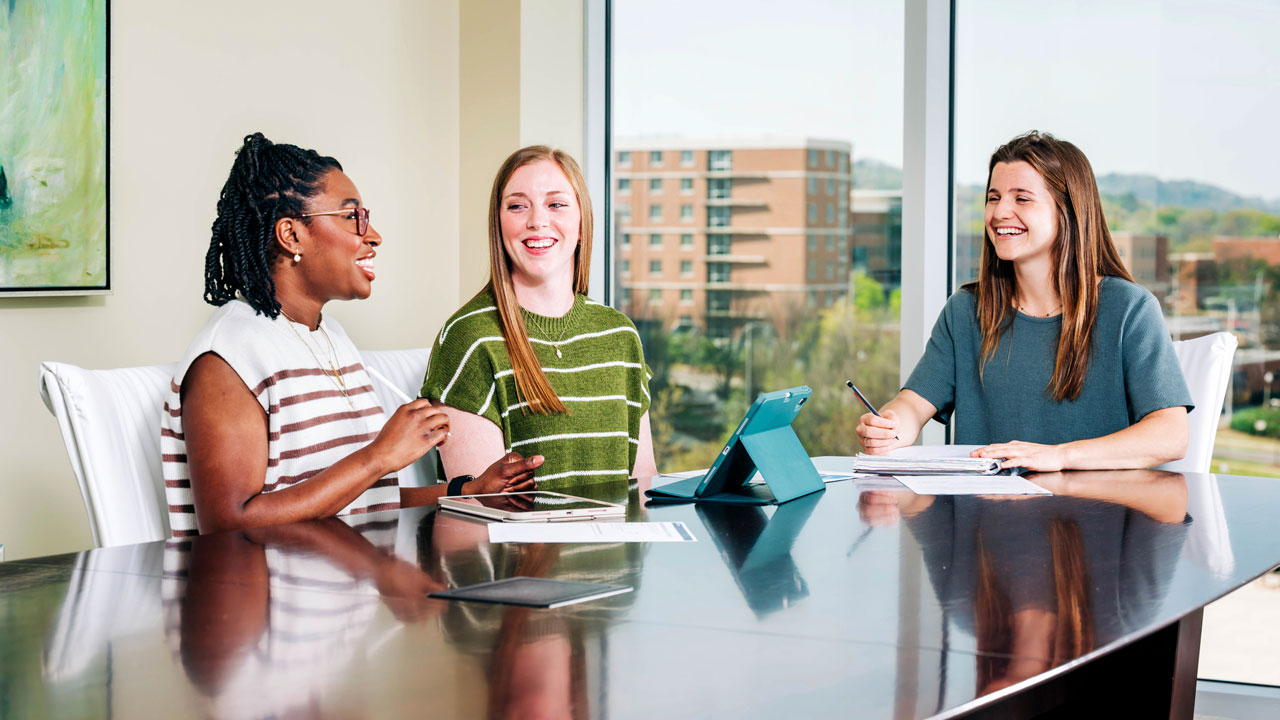
On a gray Tuesday morning in Birmingham, three second-year Doctor of Physical Therapy students lean over a conference table, papers spread between them, pens moving steadily. A map of West Birmingham is at the center of their discussion. Around it, they trace patterns: health data, neighborhood boundaries, and emerging questions of community need.
The students gathered around the table are a part of the UAB Foster Scholars Initiative, a program supporting second-year DPT students committed to community-based physical therapy. The initiative is already reshaping how scholarship recipients learn to serve.
These students, this year’s Foster Scholars, meet weekly with Patrick Berner, PT, DPT, RDN, a UAB physical therapy professor and the department’s Director of Community Engagement. For two hours each week, they work through the deliberate process of understanding a community before attempting to serve it.
They are not learning how to diagnose patients or provide therapy. They are learning how to ask better questions.
Berner’s role, as he describes it, is to “oversee community partnerships and initiatives that are largely non-clinical” and then to create, often in tandem with other departmental efforts, opportunities for students to step into those spaces themselves.
“The goal is exposure,” he says, “but more importantly, it’s participation.”
“Participation” means going beyond the clinic, beyond the familiar physical therapy framework of strengthening the physical body. It means understanding how environment, access, and lived experience shape health outcomes long before injury occurs.
In these weekly meetings, the students begin to see physical therapy through a different lens. They seek to understand physical therapy not as a service delivered in isolation, but as a part of a larger, more complex system of care.
This work is now gaining new momentum.
A gift that expands the work
A recent additional gift from Jana and Steve (’80) Foster, bringing the total of this endowment to $1 million, will multiply long-term impact and elevate the endowment to an endowed graduate fellowship, pending approval by the University of Alabama System Board of Trustees.
The name will change and the impact will grow, but the work will remain the same: preparing a small group of students in the second year of the DPT program to assess community needs, build extensive community partnerships, and design programs that expand access to care.
“As longtime supporters and proud UAB alumni, Steve and Jana Foster have helped expand how we prepare future clinicians to serve their communities,” said David M. Morris, PT, PhD, FAPTA, Interim Dean of the UAB School of Health Professions. “Their generosity ensures our students step into the profession with purpose, humility, and a deep responsibility to the communities they serve.”
This work reflects the values that have guided the Fosters’ business practice from the very beginning. Since founding TherapySouth in 2006, the practice has grown to serve 50 locations and counting.
“At TherapySouth, we believe healthcare should reach every community, not just those with the easiest access,” Steve Foster said. “Service and community care are core to who we are, and this fellowship reflects that value by supporting clinicians dedicated to serving underserved areas and improving access to care for all.”
Serving the community in this way is an ambitious goal, but the program emphasizes depth over scale. Its structure is small by design: with only three students per cohort, the Foster Scholars benefit from close mentorship and meaningful engagement.
“We’re not just creating sustainable opportunities for students to engage with the community,” Berner said. “It’s also our goal to support the community itself.”
“At TherapySouth, we believe healthcare should reach every community, not just those with the easiest access.”
—Steve Foster
Treating the community
For decades, physical therapy has been most visible in clinics and hospitals, spaces where patients arrive with injuries already in play. But the profession is shifting.
“A large majority of people enter the healthcare system because of musculoskeletal pain,” Berner explained. “If we can intervene earlier on a community level, we can help keep people healthier and potentially keep them from needing more intensive care at all.”
This shift requires a different kind of training. It asks future clinicians to think not only about treatment, but also about prevention.
“We have to think not only about individual patients, but also about the environments in which they live,” Berner said. “We can’t just think about symptoms. We must consider the many things that drive these symptoms.”
In Birmingham, these environmental drivers vary dramatically by neighborhood. Differences in access to safe places to exercise, nutritious food, and healthcare resources influence health outcomes long before a diagnosis is made.
The Foster Scholars Initiative is designed to prepare students to see and respond to these realities, often referred to as social drivers of health.
“We want them to understand that physical therapists can operate beyond clinic walls,” Berner said. “They can be in community spaces, identifying needs, providing education, and connecting people with resources.”
Just as importantly, they can listen.
Asking questions that matter
This year, the cohort is learning from Birmingham’s Belview Heights neighborhood, partnering with a falls-prevention initiative funded by the Community Health Scholars Pilot Program through the UAB Center for the Study of Community Health. The collaboration gives students a defined population and a real-world context in which to apply what they learn.
They begin with data, pulling information from national and local databases to better understand patterns of health and disparity. They then move to observation, conducting what Berner calls a “windshield survey” by driving through the neighborhood to note sidewalks, green spaces, and signs of access or absence.
Before hosting health fairs at McMillon Estates, a senior living facility, and the Central Park Recreation Center, students must first ask the residents of the community what kinds of programs they would actually benefit from.
After gathering both data and community input, students will design a program tailored to the neighborhood that reflects not only identified risks, but also the expressed preferences of the residents themselves.
In future years, one cohort may assess data and hold listening sessions with the community, while the next year a cohort might design a program to implement based on what the previous has learned.
The goal is not a one-time intervention but actual, lasting impact tailored to the community itself.
A student’s perspective
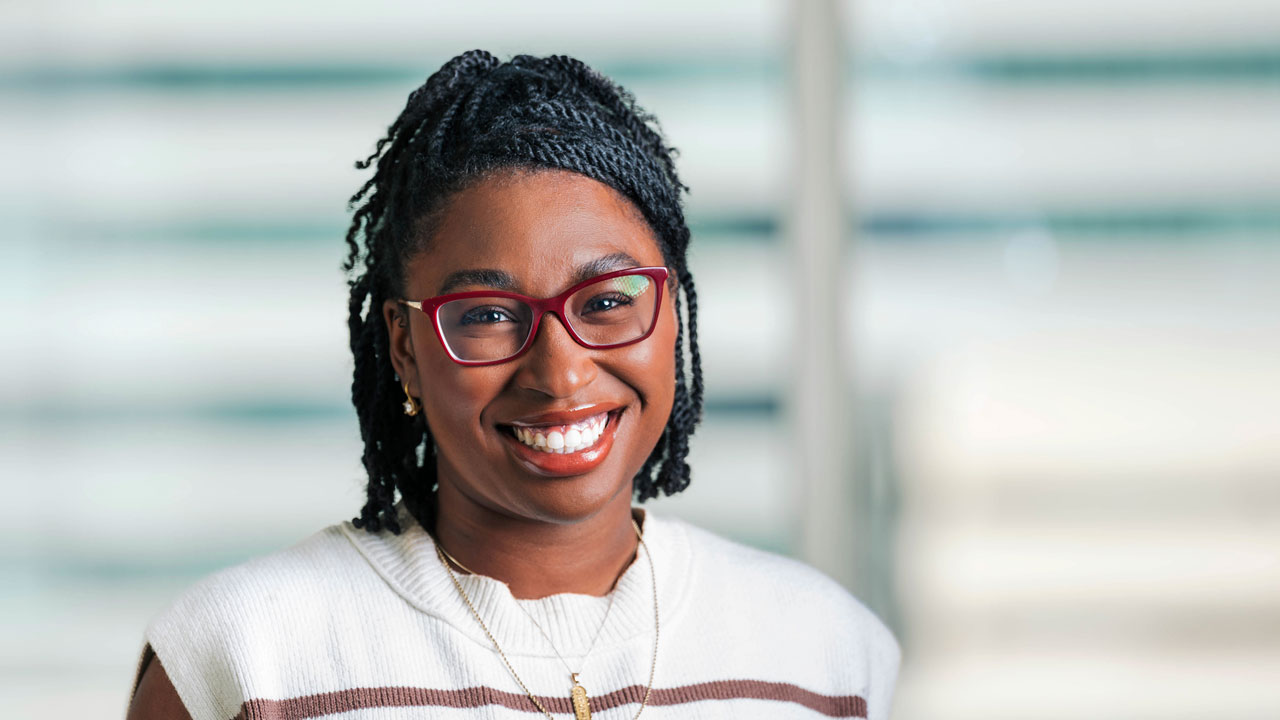
For Britt Ellmore, one of this year’s three scholars, the program represents both an opportunity and a confirmation that she is in the right place at UAB.
“I started pursuing physical therapy knowing that I wanted to use it to help people, especially in underserved populations,” Ellmore said. “When this was presented, it felt like it brought those two worlds together.”
Along with her two cohort members, Ellmore is still in the early stages of the program. Much of the work thus far has been in the planning, learning, studying, and preparing phase. But what excites her most is what comes next.
“I’m excited to actually meet people,” Ellmore said. “There’s just a lot to learn from people…their lives, their experiences. You can’t really understand what’s needed until you listen first.”
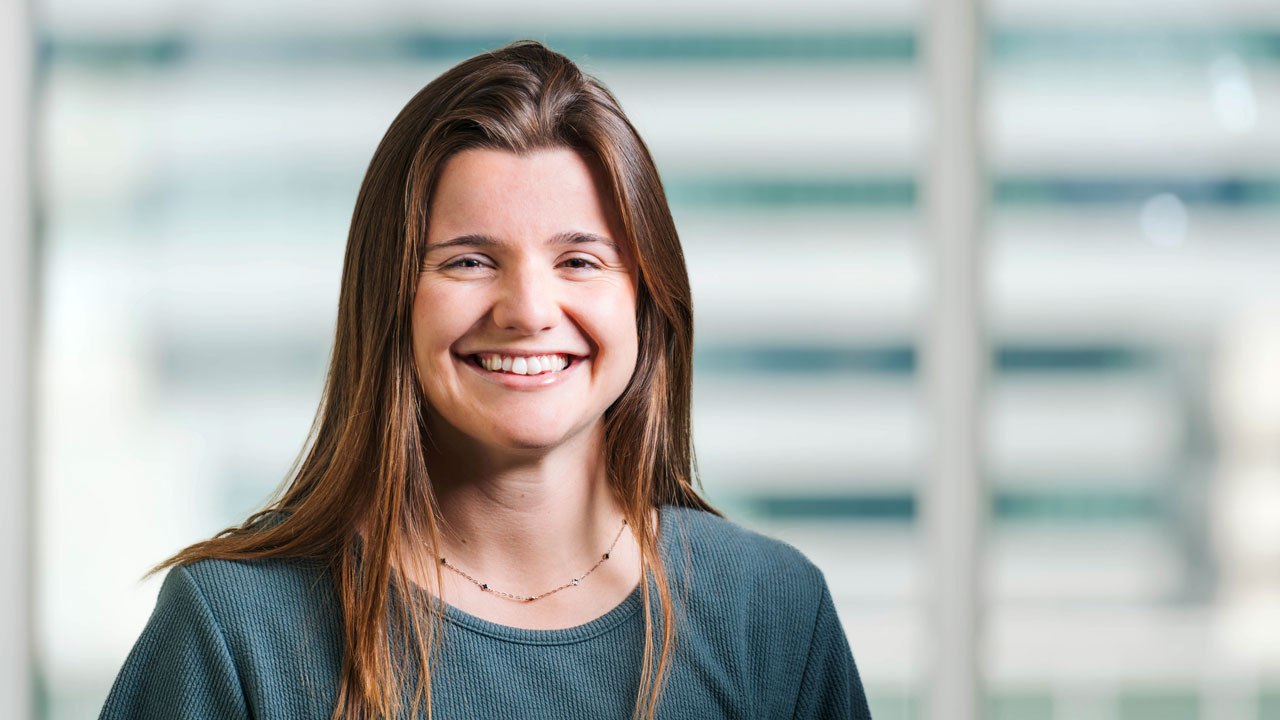
“I think this scholarship will have a huge impact on how I step into the field,” Ellmore said. “It gives you a bigger picture than just your own career, how you can actually make an impact in the community.”
In addition to easing the financial pressures that accompany graduate study, the Fosters’ support is also changing how Ellmore thinks about collaboration.
“You’re not doing this alone,” Ellmore said. “You’re working with other students and mentors, with community partners. That’s how you actually make something sustainable, something that will stick around for a long time after you’re no longer part of the program. That’s what matters to me.”
“I think this scholarship will have a huge impact on how I step into the field. It gives you a bigger picture [of] how you can actually make an impact in the community.”
—Britt Ellmore
Creating a program that lasts
“Sustainability” is a word that comes up often in conversations about the Foster Scholars Initiative. It is also one of its central challenges.
Building a program is one thing; ensuring that it continues through new cohorts each year, as well as the changing needs of a large urban city, is quite another.
For Berner, this challenge is part of the appeal.
“One of the goals is to teach students the process,” he said, “and then give them the experience of doing it so that they can go back to their own communities and repeat it.”
Many UAB DPT students remain in Alabama after graduation, including in rural areas where access to care can be limited. The hope is that the central tenets of the program—community assessment, partnership building, and program design—will follow.
In time, these individual efforts will form a broader network of clinicians connected not only by their training at UAB, but also by a community-based approach to care.
This long-term vision extends beyond students to the communities themselves. Successful programs depend on strong partnerships with local organizations, community leaders, and residents who have a stake in what is being built.
Without this buy-in, even the best-designed interventions can fail to take hold.
With it, they grow.
Looking ahead
Back in Berner’s office, the conversation continues as the Foster Scholars learn how to translate information into action.
But their direction is clear: they must understand the pain points of the community, as well as the drivers that contribute to these pain points, anticipating needs even as they prepare to address them.
The impact of Steve and Jana Foster’s generosity may not always be visible in a single moment or outcome. It will unfold over time in the programs these students and their mentors build, in the partnerships they form with these neighborhoods and their residents, in clinicians who carry this approach out into the world.
For now, it begins right here at UAB: around a table, in conversation, with a set of questions and the commitment to listen before answering them.
From this beginning, something lasting can take shape.
U.S. News & World Report 2026 Best Graduate Schools ranked UAB’s physical therapy program No. 12 in the nation.