Research

The purpose of the whole-room indirect calorimetry suite is to provide measurements of human energy expenditure and substrate utilization, both long-term (24-hour) and short-term (1–6-hour), for research studies. The rooms are ideal for studying changes in energy expenditure, fat oxidation, and carbohydrate oxidation in response to exercise challenges, food intake, diet or exercise interventions, and drug therapy. The facility is directed by Dr. Kathryn Whyte.

Measures
Whole-room indirect calorimetry can be used to measure:
- Total energy expenditure over 24 hours
- Diet-induced thermogenesis
- Exercise efficiency
- Substrate oxidation
- Resting energy expenditure
- Sleeping energy expenditure
Capabilities
The whole-room indirect calorimetry suite offers:
- Three room sizes:
- Large 27 m3 (adult, 24-hour studies)
- Small 16 m3 (pediatric, 24-hour studies; adult, short-term studies)
- Flex 6 m3 (acute, 1-4-hour studies; e.g., exercise test, resting energy expenditure, meal test)
- Ports for blood sampling
- All are push-pull configurations

Applications
Whole-room indirect calorimetry can be used to determine the effects of:
- Weight loss on whole-body metabolism and its components
- Weight loss medication on whole-body metabolism and its components
- Different diets on whole-body metabolism and its components; please
This email address is being protected from spambots. You need JavaScript enabled to view it. - Exercise training (or acute exercise bouts) on whole-body metabolism and its components
- Cold exposure on whole-body metabolism and its components
- Calorimeter data can be integrated with other measures such as wearables or omics data
- The data is best interpreted with measures of body composition; please
This email address is being protected from spambots. You need JavaScript enabled to view it.

Support
The whole-room indirect calorimetry suite is supported by the NIDDK through the Nutrition Obesity Research Center (NORC) and the Diabetes Research Center (DRC) and through the UAB Institutional Research Core Program (Metabolism Core).
Services and Protocols
The whole-room indirect calorimetry suite offers study design consultation and study staff training for operations/data downloading.
- Linen service is provided for all chambers.
- Data are held on secure servers to be downloaded by researchers.
- Contact must be maintained with participants (visual or intercom) while a participant is in the chamber.
- Users are responsible for cleaning pre- and post-use.
Scheduling
Users may staff their own protocols; however, all operators must be trained. Prior to scheduling, please
- The flex chamber can be scheduled in 1-hour increments.
- The 24-hour chamber can be scheduled daily.
Scheduling use of the calorimeters is handled by a Microsoft Bookings calendar. Please
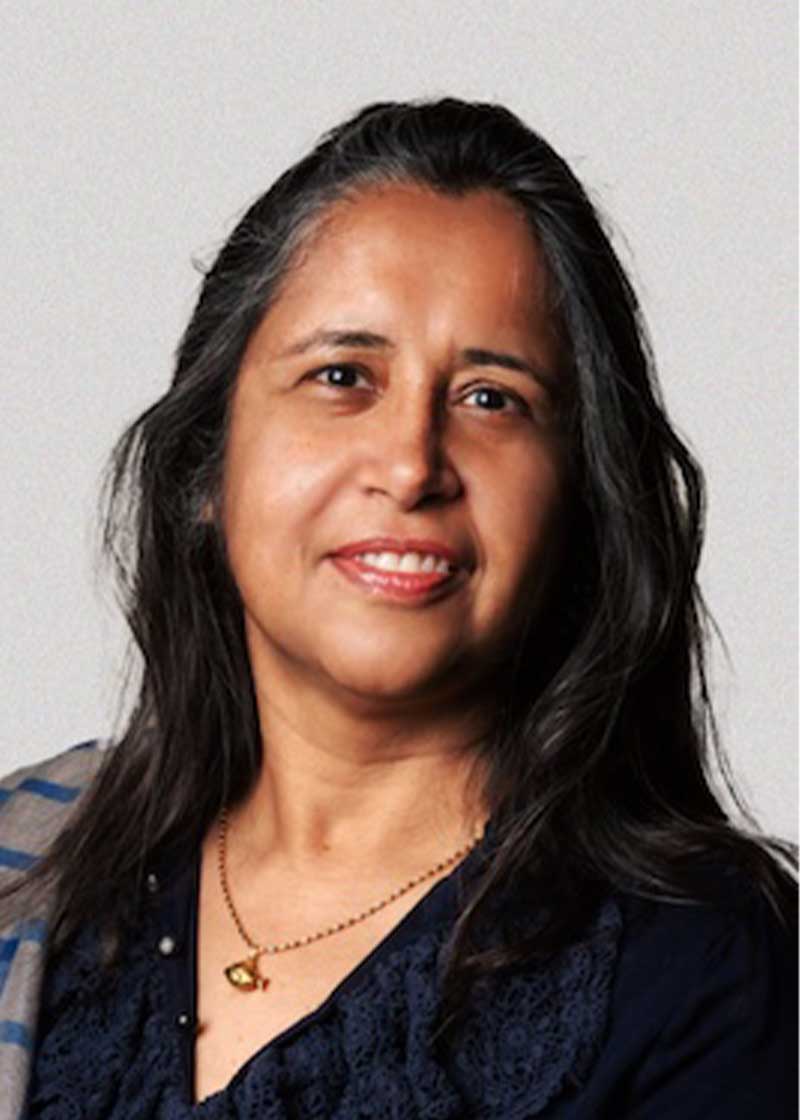
Ritu Aneja, PhD
Dr. Aneja’s research examines how chronic stress, shaped by social determinants of health, manifests biologically and how holistic, non-pharmacological strategies such as breathwork can help reduce the impact of stress on health and wellbeing. Building on findings from a randomized controlled trial of SKY breathwork that demonstrated reductions in anxiety and improvements in cardiometabolic and inflammatory markers, her program is now testing breath-based, trauma-informed interventions in younger breast cancer survivors. This clinical trial is guided by a psycho-neuro-endocrine-immune (PNEI) framework that explores the connections between the mind, brain, hormones, and immune system. The research uses multimodal data, including psychosocial surveys, heart rate variability, inflammatory markers, and multi-omics profiling, and examines how psychosocial traits and self-reported experiences correlate with biological measures. The program also provides trainees with opportunities to develop skills in multisource data collection, analysis, and integration in mind-body medicine research. Ultimately, this work aims to transform survivorship care through science-based, accessible practices that enhance wellbeing and resilience.

Yenni Cedillo, PhD
Dr. Cedillo investigates how nutrition and psychosocial stress interact to influence metabolic health and chronic disease risk. Her research focuses on identifying biological and behavioral mechanisms that connect chronic stress, inflammation, and diet with insulin resistance and impaired glucose metabolism. In particular, she studies mitochondrial damage–associated molecular patterns (mtDAMPs) as novel stress-related biomarkers that may explain links between cellular stress and metabolic dysfunction. She is currently leading two pilot studies at UAB. Through the Diabetes Research Center, she is examining how dietary interventions affect mtDAMPs, insulin sensitivity, and glucose metabolism. In parallel, her Nutrition Obesity Research Center project evaluates the energy cost of chronic stress and its role in fat accumulation among adults experiencing high perceived stress. Together, this work advances our understanding of the pathways through which stress and nutrition influence metabolic health and the development of obesity-related diseases.

Paula Chandler-Laney, PhD
Dr. Chandler-Laney has dedicated over 15 years to maternal and child health research. Her primary focus is to understand the role of metabolic and behavioral mechanisms in the intergenerational transmission of obesity. She uses objective methods to assess body composition and metabolic health, including DXA, glucose tolerance tests, and indirect calorimetry. Dr. Chandler-Laney also serves as the director of the PhD program in nutrition sciences and teaches courses in applied research and scientific writing.
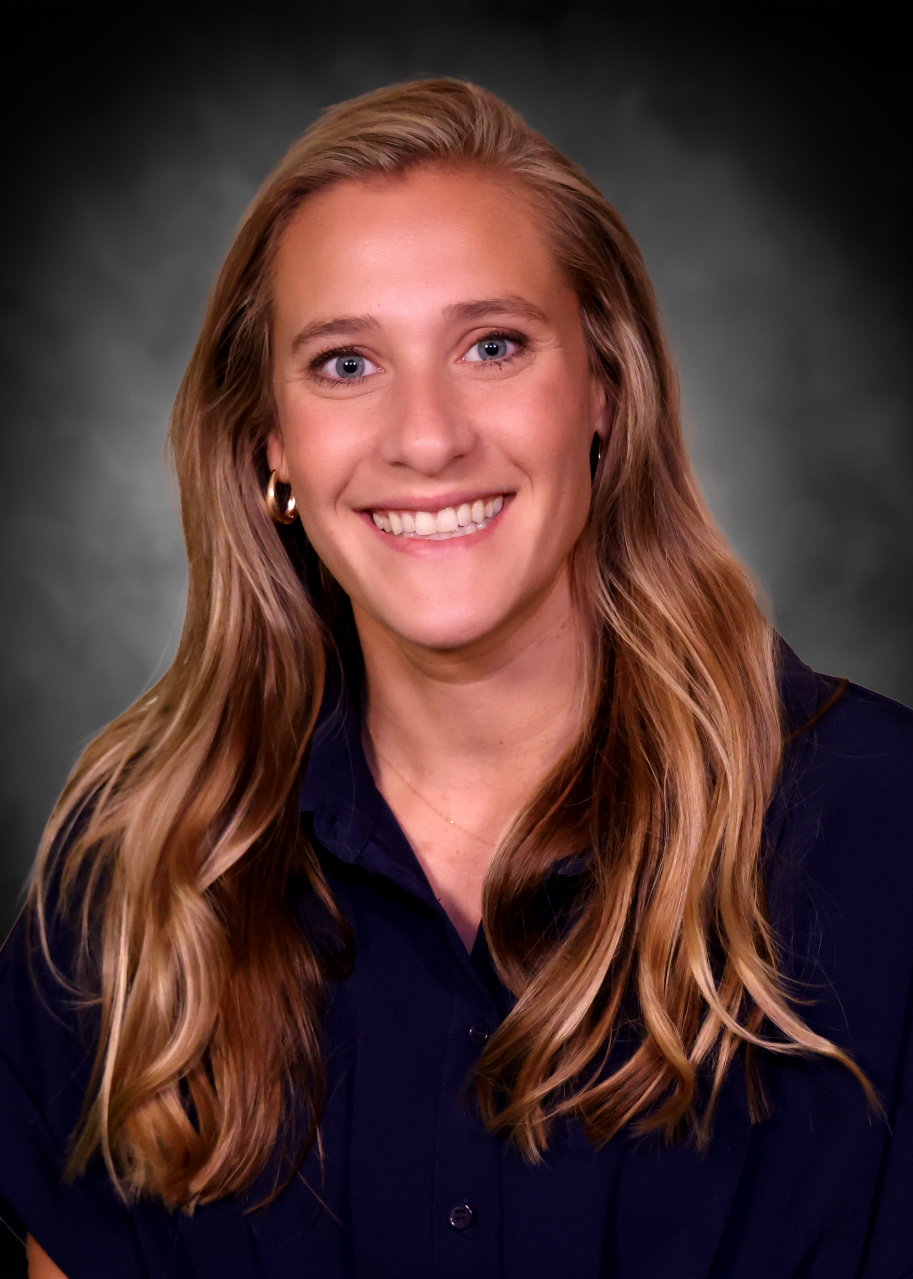
Lizzy Davis, PhD, RD
Dr. Davis’s research focuses on a range of nutrition-related topics, including dietary behaviors and perceptions surrounding GLP-1 receptor agonist use, nutrition practices among postpartum women, the eating habits of college students, and the implementation of nutrition policies in early care and education (ECE) settings. She plays a key role in the design and implementation of qualitative studies, contributing to data collection through interviews and focus groups and leading in-depth thematic analyses using NVivo software. Through this work, Dr. Davis ensures that participant experiences are systematically analyzed and meaningfully integrated into the development of nutrition interventions and policy recommendations, strengthening the relevance and impact of research in applied nutrition settings.

Maria De Luca, PhD
Dr. De Luca’s early research work focused largely on the genetics of aging. Over the past 15 years, she has expanded her research program to examine the role of genetics in obesity and its metabolic complications. Many lines of evidence suggest that mitochondrial dysfunction plays a central role in obesity/metabolic complications and aging. To this end, one area of current research in her laboratory focuses on identifying novel genetic mechanisms contributing to mitochondrial dysfunction. A second area of research focuses on the role played by the cell-surface proteoglycan syndecan-4 in fat tissue remodeling, inflammation, and systemic metabolic dysfunction.

Christine Ferguson, PhD, RD
Dr. Ferguson’s research focuses on patient-centered observational and clinical nutrition research to address symptoms and metabolic effects of Parkinson's disease and the development and implementation of effective interventions to improve the health of adults with physical disabilities. The Ferguson lab uses body composition assessments (e.g., DXA, BIA), dietary assessments (FFQ, 24-hour recall, logs, etc.), handgrip dynamometry, adapted exercise testing, the Movement Disorders Society Parkinson’s Disease Rating Scale (MDS-UPDRS), and qualitative interviews in its studies.

W. Timothy Garvey, MD
Dr. Garvey has achieved international recognition for his research involving the metabolic, molecular, and genetic pathogenesis of insulin resistance, type 2 diabetes, and obesity. The Garvey laboratory has been a principal contributor to our understanding of the glucose transport system and glucose transporter proteins in human insulin resistance and has also elucidated the roles of adiponectin, NR4A orphan nuclear receptors, and the tribbles gene family. A further interest concerns the understanding of obesity as a disease and advancing medical models to improve care of patients with obesity. Dr Garvey has co-authored multiple guidelines and position statements regarding the care of patients with obesity and diabetes on behalf of professional organizations and has helped address the rational use of newer second-generation obesity medications within the context of a complications-centric approach to care. Dr. Garvey currently is actively conducting clinical trials evaluating new medications for obesity and diabetes. He is available to provide advice for trainees and for co-mentorship.

Amy Goss, PhD, RD
Dr. Goss’s research aims to identify effective, sustainable, and non-invasive dietary means of preventing and reversing diseases with metabolic origins. She has expertise in conducting randomized clinical trials to examine the effects of diet quality and macronutrient composition on risk factors of chronic metabolic diseases such as obesity, non-alcoholic fatty liver disease (NAFLD), and type 2 diabetes. Dr. Goss specializes in MRI and MRS techniques for the assessment of fat distribution and organ lipid content in adult and pediatric populations. She recently conducted studies using a family-based, controlled feeding experimental design to improve outcomes in children with NAFLD and is currently principal investigator on the Sunshine Study, which is investigating whether changes in diet composition affect various health outcomes in adolescents with NAFLD.

Barbara A. Gower, PhD
Dr. Gower’s research focuses on the interplay between diet, endocrinology, and metabolism and their relation to chronic metabolic disease, with expertise in evaluation of body composition, body fat distribution, insulin sensitivity, and beta-cell function. Her ongoing funded research includes “Nutrition for Precision Health,” a multisite consortium study designed to understand individual differences in response to diet, and “Predictors of Youth-Onset Type 2 Diabetes” (the DISCOVERY study), which is designed to identify factors that predict conversion to type 2 diabetes among at-risk youth.

James Hill, PhD
Dr. Hill’s research focuses on factors that impact the etiology of obesity and type 2 diabetes and that contribute to strategies to reduce these diseases. He is particularly interested in factors that affect weight-loss maintenance. Recently, he has been working with researchers with interests in modifying health behaviors. Sustaining behavior change is a major challenge in addressing obesity. They recently developed a new model for behavior change (the Maintain IT model) and have successfully used this model to increase success in weight management. He understands the complexity of body weight regulation and has studied how physiological, behavioral, and environmental factors influence obesity and body weight regulation.

Gary Hunter, PhD
My current research interests include factors that influence the decision to be physically active and reduce weight gain. I have become especially interested in factors that influence ease and economy during locomotion, especially the use of muscle/tendon elasticity in producing stretch shortening cycle potentiation. Although, generally thought to be important only for athletic performance, we have shown that it influences free-living physical activity even in older adults and that exercise training can improve stretch shortening cycle potentiation. I am also interested in how to improve quality of life of older adults and cancer survivors.

Catia Martins, PhD, RD
Dr. Martins’ research aims to better understand the role of energy metabolism and appetite control in obesity and how different weight loss interventions can modulate these outcomes through changes in our endocrine system. Over the past 15 years, she has conducted studies on the role of diet, exercise, and bariatric surgery on appetite regulation and energy metabolism, trying to better understand relapse in obesity management. Her lab has shown that the increased drive to eat and reduced energy expenditure seen in the reduced-obese state, including metabolic adaptation, are a normalization toward a lower body weight and not drivers of relapse. Her studies use sophisticated methods of body composition (e.g., DXA, BodPod), energy expenditure (e.g., indirect calorimetry, room calorimetry), and biochemical assays (ghrelin, GLP-1, PYY, insulin) to examine the impact of different dietary interventions on human metabolism.

Douglas Moellering, PhD
Dr. Moellering’s collaborative research interests support accumulating evidence that many chronic diseases involve mitochondrial dysfunction, retrograde redox mitochondrial signaling, and free radical–mediated tissue injury (oxidative stress and inflammation). His research focus includes energy metabolism, mitochondrial physiology, redox biology, exercise and nutrition, and psychosocial life stress and their contributions to health and wellness, health disparities, cardiometabolic disease, diabetes, obesity, cancer, and aging. Model systems include in vitro cell culture, yeast, Drosophila melanogaster, rodents, fish, and human translational research. One of his current projects involves investigating the adverse effects of life stress, including discrimination, and dietary choices that may contribute to increased levels of oxidative stress, cardiometabolic disease risk, and obesity.

Keith Pearson, PhD, RD, LD
Dr. Pearson’s research focuses on two main areas: improving nutrition care for people living with amyotrophic lateral sclerosis (ALS) and examining how dietary patterns influence long-term health at the population level. Much of his current work centers on developing educational and collaborative opportunities to support dietitians in providing high-quality nutrition care for individuals with ALS. Using both qualitative and quantitative approaches, he aims to identify strategies that improve patient outcomes and equip dietitians with tools for practice. In addition, Dr. Pearson works with nutrition data from prospective cohort studies to investigate links between diet and cardiometabolic disease, with an emphasis on dietary patterns and chronic disease risk.

Eric Plaisance, PhD
Dr. Plaisance’s research program focuses on the effects of dietary interventions on components of energy balance, body composition, and metabolic health as they relate to the regulation and maintenance of body weight and adiposity. Dr. Plaisance’s studies have focused on interrogating the physiologic and molecular mechanisms by which ketones (derived from partially oxidized fatty acids in the liver) and ketone precursors regulate energy balance and metabolism. Other studies from the lab have attempted to leverage the anti-inflammatory effects of ketones in individuals with prediabetes and cystic fibrosis. In a clinical trial, administration of exogenous ketones to adults with cystic fibrosis produced significant reductions in sputum markers of inflammation and improved subjective perception of breathing. Dr. Plaisance is also exploring the potential of ketones as alternative energy sources in the brain and heart to examine the metabolic implications of ketones in individuals with cognitive dysfunction and heart failure.

Daniel Smith, Jr., PhD
Dr. Smith’s research interests include the influence of nutrition and metabolism on aging and disease, with an emphasis on the opposing nutrition paradigms of calorie restriction and over-nutrition/obesity. His studies incorporate multiple model organisms including budding yeast, worms, flies, zebrafish, mice, rats, and humans. Of particular interest are calorie restriction mimetics, compounds proposed to mimic the cellular and physiologic benefits of calorie restriction without requiring actual nutritional intake reductions. The cohesive thread through his research is to understand the impact and causation of nutrition and metabolism on aging and disease to identify interventions to optimize human health, well-being, and longevity.

Kathryn J. Whyte, PhD, MS, RDN
Dr. Whyte studies energy balance and metabolic phenotyping using whole-room indirect calorimetry, stable isotope tracers, and controlled feeding trials/lifestyle interventions. She directs the department’s calorimetry lab to advance precision nutrition and translate metabolic insights into tailored strategies for obesity prevention and treatment.
-
Lyse Norian

Immune-based therapies have shown tremendous clinical potential for treating advanced cancers, but their clinical efficacy remains limited. Because obesity is a risk factor for increased cancer prevalence and mortality, it is critical to understand how obesity impacts anti-tumor immunity and immunotherapeutic efficacy. A major research focus in the Norian lab is investigating how immune responses to solid tumors are altered by obesity. Dr. Norian’s group has found that in mice and humans with renal tumors, obesity impairs protective anti-tumor immunity and decreases immunotherapeutic efficacy. As a complementary approach, they are determining whether dietary interventions can improve therapy-induced immune responses in multiple pre-clinical cancer models.
Wendy Demark-Wahnefried

Dr. Demark-Wahnefried’s research interests include diet/hormonal and genetic interactions and their association with neoplasia (specifically breast and prostate cancer); dietary intervention to prevent chronic disease factors affecting compliance and recidivism; and lifestyle modification among cancer survivors. Her research career has spanned basic science studies focused on determining mechanisms of action of food-related components on neoplastic progression to clinical research that involves nutrition-related concerns of cancer patients, as well as determining effective lifestyle interventions that improve the overall health of cancer survivors and their families. Her laboratory has conducted some of the largest studies exploring metabolic and body composition changes in response to cancer treatment. She has led and continues to lead a number of NIH-funded trials aimed at improving the diet and exercise behavior of cancer survivors.
Barbara Gower
Dr. Gower’s research focus is on the interplay between diet, endocrinology, and metabolism and their relation to chronic metabolic disease, with expertise in evaluation of body composition, body fat distribution, insulin sensitivity, and beta-cell function. Her two major research areas are nutrition interventions for obesity and metabolic health and risk for type 2 diabetes in African-Americans. She currently is conducting two NIH-funded research studies to test the hypotheses that 1) in patients with type 2 diabetes, a low glycemic diet will enable return of beta-cell function by depleting pancreas lipid, even in the absence of weight loss, and 2) in obese African-American women, an insulin-lowering diet will improve loss of fat mass during weight loss and result in greater weight-loss maintenance, in part by increasing energy expenditure. A recently completed study examined the effect of ketogenic diet on metabolic outcomes in women with ovarian cancer.
Chandrika Piyathilake

Combination antiretroviral treatment has dramatically prolonged the survival of individuals infected with human immunodeficiency virus (HIV). A consequence of this trend has been an increase in the risk of cancers caused by human papillomaviruses (HPVs). Dr. Piyathilake’s current research is focused on an identification those at high risk for developing such cancers based on next generation sequencing of HPVs/biomarkers of HPV carcinogenesis and understanding mechanistically related modifiable factors (examples, dietary factors and microbiome) and the development of tailored HPV vaccines/probiotics. This personalized medicine approach is essential to control and prevent these cancers in this aging population.
-
W. Timothy Garvey
Dr. Garvey’s research focus is on the metabolic, molecular, and genetic pathogenesis of insulin resistance, type 2 diabetes, and obesity. His studies have involved the cellular and molecular biology of cell and animal models, metabolic investigations of human subjects on metabolic research wards, and the genetic basis of diseases in Gullah-speaking African Americans and other national cohorts of diabetes patients. The Garvey laboratory has made important observations regarding the pathogenesis of human insulin resistance and has been a principle contributor to our understanding of the role of the glucose transport system and glucose transporter proteins in human insulin resistance. He has identified gene families that contribute to insulin resistance in human muscle insulin using cDNA microarray, e.g., NR4A orphan nuclear receptors and the tribbles gene family, and has elucidated the role of adiponectin in cardiometabolic disease and mitochondrial proteomics to better define mitochondrial defects that impair substrate oxidation.
Barbara Gower
Dr. Gower’s research focus is on the interplay between diet, endocrinology, and metabolism and their relation to chronic metabolic disease, with expertise in evaluation of body composition, body fat distribution, insulin sensitivity, and beta-cell function. Her two major research areas are nutrition interventions for obesity and metabolic health and risk for type 2 diabetes in African-Americans. She currently is conducting two NIH-funded research studies to test the hypotheses that 1) in patients with type 2 diabetes, a low glycemic diet will enable return of beta-cell function by depleting pancreas lipid, even in the absence of weight loss, and 2) in obese African-American women, an insulin-lowering diet will improve loss of fat mass during weight loss and result in greater weight-loss maintenance, in part by increasing energy expenditure.
James Hill
Dr. Hill’s research focuses on factors that impact the etiology of obesity and type 2 diabetes and that contribute to strategies to reduce these diseases. He is particularly interested in factors that affect weight-loss maintenance. Recently, he has been working with researchers with interests in modifying health behaviors. Sustaining behavior change is a major challenge in addressing obesity. They recently developed a new model for behavior change (the Maintain IT model) and have successfully used this model to increase success in weight management. He understands the complexity of body weight regulation and has studied how physiological, behavioral, and environmental factors influence obesity and body weight regulation.
Courtney Peterson
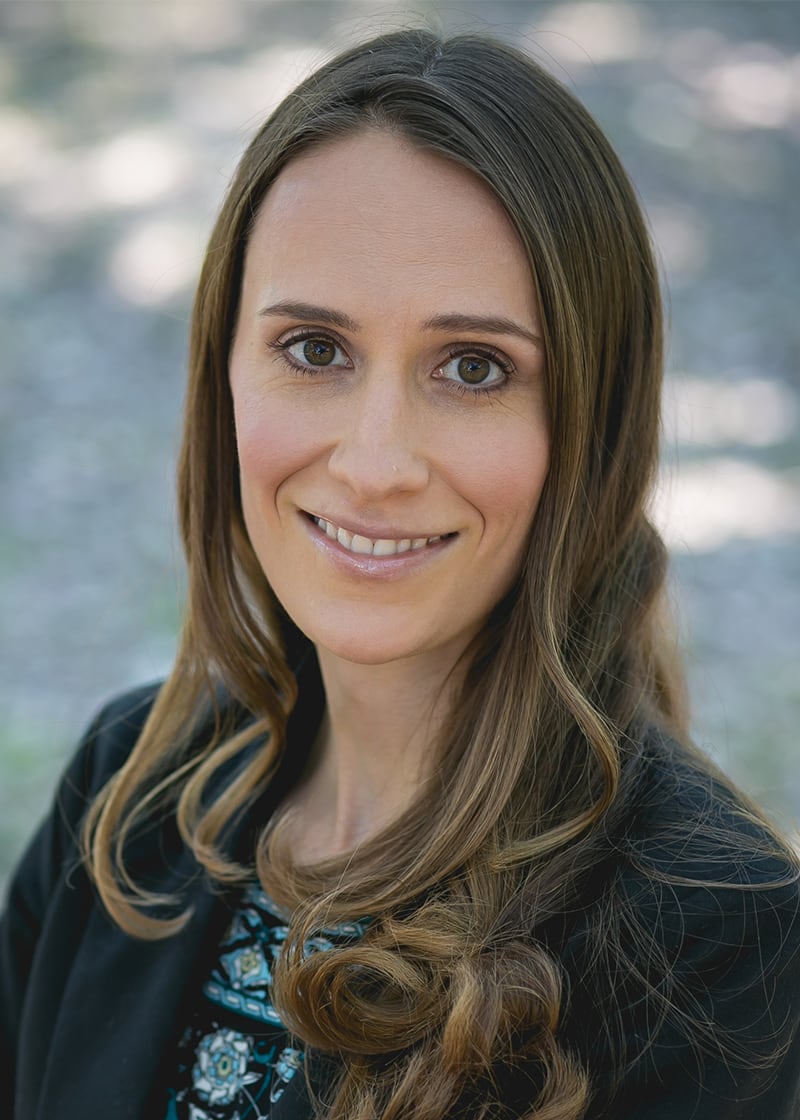
Dr. Peterson studies new dietary strategies to treat and reverse diabetes, obesity, and cardiovascular disease. Her primary focus is on intermittent fasting, the circadian clock, and diet quality. Dr. Peterson conducted the first human studies of a type of intermittent fasting called early time-restricted feeding (TRF), which involves eating in a 10-hour or less period early in the day. She found that early TRF improves blood sugar, blood pressure, appetite, and fat burning. Dr. Peterson’s lab is also testing whether eating certain food groups can help reverse type 2 diabetes and uses mathematical modeling to study metabolism and body composition.
Drew Sayer
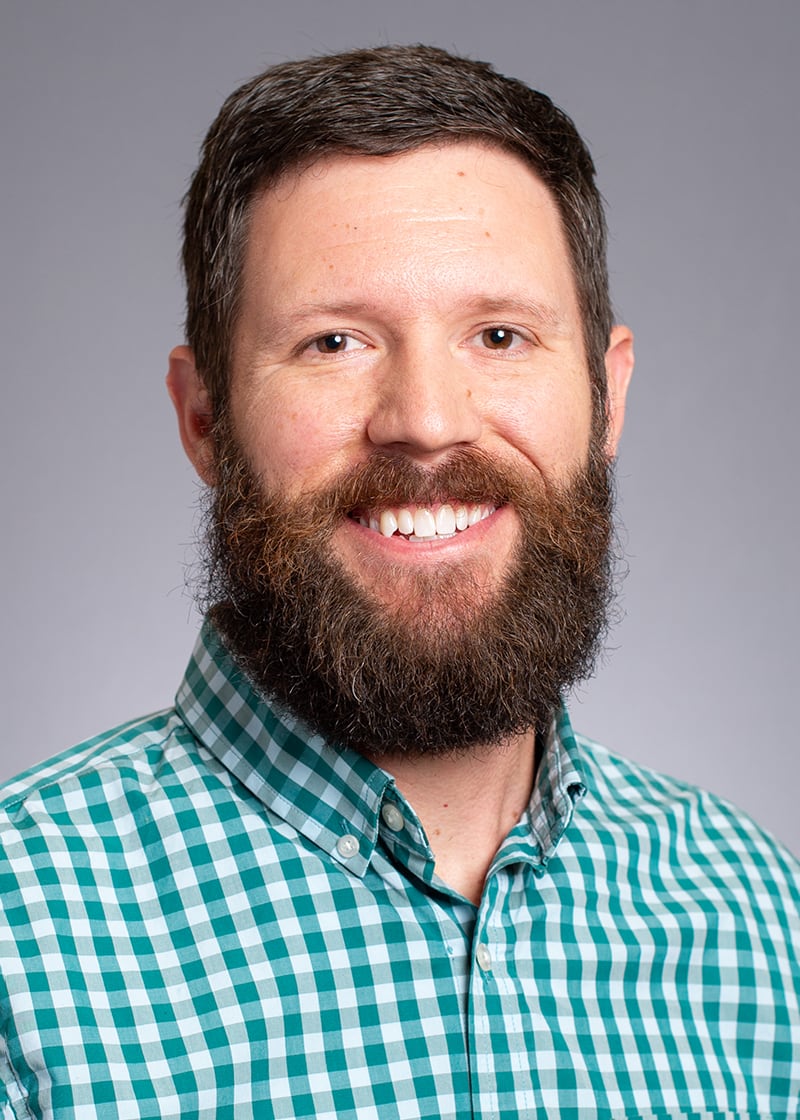
Dr. Sayer currently studies the factors that contribute to the variability in behavioral weight-loss interventions and conducts clinical trials that include adaptive interventions (e.g., Sequential Multiple Assignment Randomized Trials or SMARTs) to develop, rigorously evaluate, and implement effective interventions to treat obesity. His past research has centered on the effects of the quantity and quality of dietary protein on energy balance, obesity, and cardiometabolic health. His predoctoral research focused primarily on the role of dietary protein on appetite, energy balance, and neural reward responses to visual food stimuli.
-
Paula Chandler-Laney
Dr. Chandler-Laney’s research focuses on elucidating the biobehavioral mechanisms that underlie the intergenerational transmission of obesity and comorbid metabolic diseases. Ongoing research studies focus on pregnancy and infancy as critical periods during which risk for obesity may be programmed. Her laboratory examines race disparities and lifestyle influences on weight gain and glucose concentrations during pregnancy and fetal outcomes. Studies in young children investigate the role of executive function in eating behavior and the role of eating behavior as a potential mediator between obesogenic conditions in the intrauterine environment and children’s excess weight gain. They use rigorous, objective methods to assess body composition (e.g., DXA, BodPod, PeaPod) and metabolic health (e.g., glucose tolerance tests) and observational methods to examine behavior and lifestyle variables.
Maria De Luca
Dr. De Luca’s early research work focused largely on the genetics of aging. Over the past 15 years, she has expanded her research program to examine the role of genetics in obesity and its metabolic complications. Many lines of evidence suggest that mitochondrial dysfunction plays a central role in obesity/metabolic complications and aging. To this end, one area of current research in her laboratory focuses on identifying novel genetic mechanisms contributing to mitochondrial dysfunction. A second area of research focuses on the role played by the cell-surface proteoglycan syndecan-4 in fat tissue remodeling, inflammation, and systemic metabolic dysfunction.
Wendy Demark-Wahnefried
Dr. Demark-Wahnefried’s research interests include diet/hormonal and genetic interactions and their association with neoplasia (specifically breast and prostate cancer); dietary intervention to prevent chronic disease factors affecting compliance and recidivism; and lifestyle modification among cancer survivors. Her research career has spanned basic science studies focused on determining mechanisms of action of food-related components on neoplastic progression to clinical research that involves nutrition-related concerns of cancer patients, as well as determining effective lifestyle interventions that improve the overall health of cancer survivors and their families. Her laboratory has conducted some of the largest studies exploring metabolic and body composition changes in response to cancer treatment. She has led and continues to lead a number of NIH-funded trials aimed at improving the diet and exercise behavior of cancer survivors.
Barbara Gower
Dr. Gower’s research focus is on the interplay between diet, endocrinology, and metabolism and their relation to chronic metabolic disease, with expertise in evaluation of body composition, body fat distribution, insulin sensitivity, and beta-cell function. Her two major research areas are nutrition interventions for obesity and metabolic health and risk for type 2 diabetes in African-Americans. She currently is conducting two NIH-funded research studies to test the hypotheses that 1) in patients with type 2 diabetes, a low glycemic diet will enable return of beta-cell function by depleting pancreas lipid, even in the absence of weight loss, and 2) in obese African-American women, an insulin-lowering diet will improve loss of fat mass during weight loss and result in greater weight-loss maintenance, in part by increasing energy expenditure.
James Hill
Dr. Hill’s research focuses on factors that impact the etiology of obesity and type 2 diabetes and that contribute to strategies to reduce these diseases. He is particularly interested in factors that affect weight-loss maintenance. Recently, he has been working with researchers with interests in modifying health behaviors. Sustaining behavior change is a major challenge in addressing obesity. They recently developed a new model for behavior change (the Maintain IT model) and have successfully used this model to increase success in weight management. He understands the complexity of body weight regulation and has studied how physiological, behavioral, and environmental factors influence obesity and body weight regulation.
Catia Martins
Dr. Martins' research explores how diet, exercise and bariatric surgery impact on energy metabolism and appetite control, aiming at understanding relapse in obesity management. Her group has shown that the increased drive to eat and reduced energy expenditure seen in the reduced-obese state are a normalization towards a lower body weight and not drivers of relapse. A second area of research focuses on the role of ketogenic diets on appetite suppression.
Lyse Norian
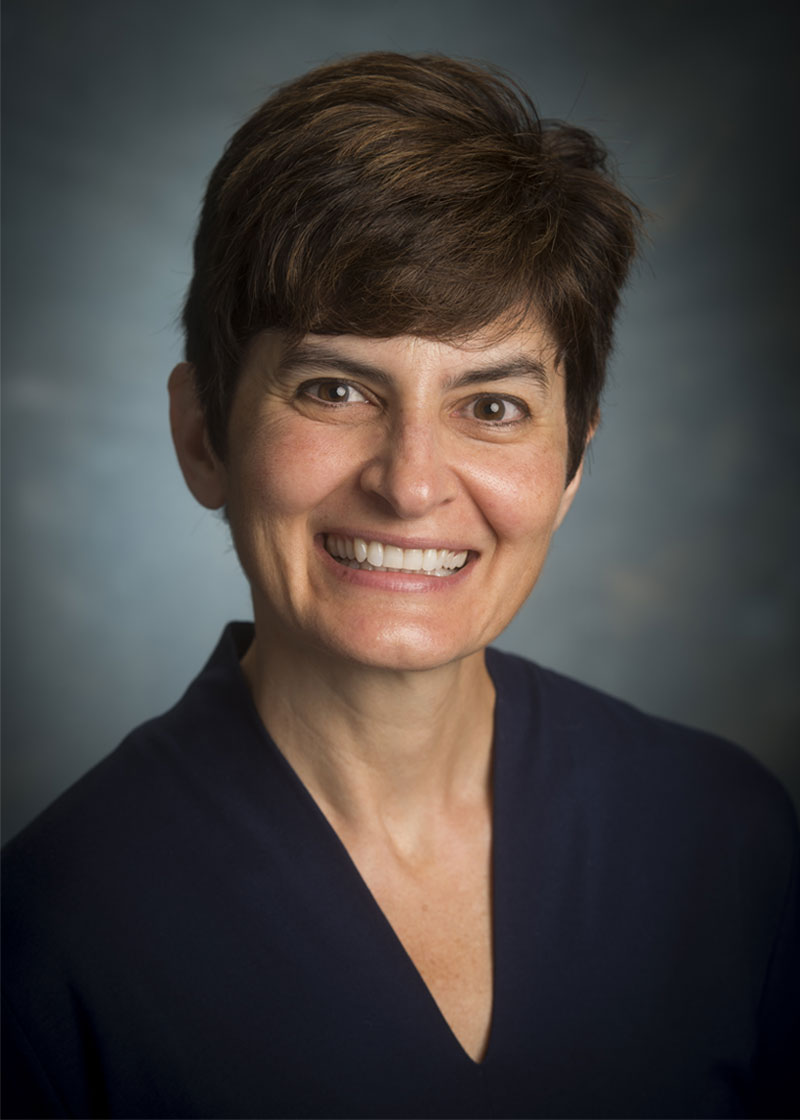
Immune-based therapies have shown tremendous clinical potential for treating advanced cancers, but their clinical efficacy remains limited. Because obesity is a risk factor for increased cancer prevalence and mortality, it is critical to understand how obesity impacts anti-tumor immunity and immunotherapeutic efficacy. A major research focus in the Norian lab is investigating how immune responses to solid tumors are altered by obesity. Dr. Norian’s group has found that in mice and humans with renal tumors, obesity impairs protective anti-tumor immunity and decreases immunotherapeutic efficacy. As a complementary approach, they are determining whether dietary interventions can improve therapy-induced immune responses in multiple pre-clinical cancer models.
Courtney Peterson
Dr. Peterson studies new dietary strategies to treat and reverse diabetes, obesity, and cardiovascular disease. Her primary focus is on intermittent fasting, the circadian clock, and diet quality. Dr. Peterson conducted the first human studies of a type of intermittent fasting called early time-restricted feeding (TRF), which involves eating in a 10-hour or less period early in the day. She found that early TRF improves blood sugar, blood pressure, appetite, and fat burning. Dr. Peterson’s lab is also testing whether eating certain food groups can help reverse type 2 diabetes and uses mathematical modeling to study metabolism and body composition.
Drew Sayer
Dr. Sayer currently studies the factors that contribute to the variability in behavioral weight-loss interventions and conducts clinical trials that include adaptive interventions (e.g., Sequential Multiple Assignment Randomized Trials or SMARTs) to develop, rigorously evaluate, and implement effective interventions to treat obesity. His past research has centered on the effects of the quantity and quality of dietary protein on energy balance, obesity, and cardiometabolic health. His predoctoral research focused primarily on the role of dietary protein on appetite, energy balance, and neural reward responses to visual food stimuli.
Daniel Smith, Jr.
Dr. Smith’s research interests include the influence of nutrition and metabolism on aging and disease, with an emphasis on the opposing nutrition paradigms of calorie restriction and over-nutrition/obesity. His studies incorporate multiple model organisms including budding yeast, worms, flies, zebrafish, mice, rats, and humans. Of particular interest are calorie restriction mimetics, compounds proposed to mimic the cellular and physiologic benefits of calorie restriction without requiring actual nutritional intake reductions. The cohesive thread through his research is to understand the impact and causation of nutrition and metabolism on aging and disease to identify interventions to optimize human health, well-being, and longevity.
Gary Hunter
My current research interests include factors that influence the decision to be physically active and reduce weight gain. I have become especially interested in factors that influence ease and economy during locomotion, especially the use of muscle/tendon elasticity in producing stretch shortening cycle potentiation. Although, generally thought to be important only for athletic performance, we have shown that it influences free-living physical activity even in older adults and that exercise training can improve stretch shortening cycle potentiation. I am also interested in how to improve quality of life of older adults and cancer survivors.
-
Maria De Luca
Dr. De Luca’s early research work focused largely on the genetics of aging. Over the past 15 years, she has expanded her research program to examine the role of genetics in obesity and its metabolic complications. Many lines of evidence suggest that mitochondrial dysfunction plays a central role in obesity/metabolic complications and aging. To this end, one area of current research in her laboratory focuses on identifying novel genetic mechanisms contributing to mitochondrial dysfunction. A second area of research focuses on the role played by the cell-surface proteoglycan syndecan-4 in fat tissue remodeling, inflammation, and systemic metabolic dysfunction.
Barbara Gower
Dr. Gower’s research focus is on the interplay between diet, endocrinology, and metabolism and their relation to chronic metabolic disease, with expertise in evaluation of body composition, body fat distribution, insulin sensitivity, and beta-cell function. Her two major research areas are nutrition interventions for obesity and metabolic health and risk for type 2 diabetes in African-Americans. She currently is conducting two NIH-funded research studies to test the hypotheses that 1) in patients with type 2 diabetes, a low glycemic diet will enable return of beta-cell function by depleting pancreas lipid, even in the absence of weight loss, and 2) in obese African-American women, an insulin-lowering diet will improve loss of fat mass during weight loss and result in greater weight-loss maintenance, in part by increasing energy expenditure.
Catia Martins
Dr. Martins' research explores how diet, exercise and bariatric surgery impact on energy metabolism and appetite control, aiming at understanding relapse in obesity management. Her group has shown that the increased drive to eat and reduced energy expenditure seen in the reduced-obese state are a normalization towards a lower body weight and not drivers of relapse. A second area of research focuses on the role of ketogenic diets on appetite suppression.
Doug Moellering
Dr. Moellering’s research interests involve mitochondrial physiology, bioenergetics, and free radical-mediated tissue injury and disease pathologies. Currently, his research is focused on mitochondrial free-radical production contributing to altered bioenergetics, the development of obesity, insulin resistance and T2DM, increased cardiovascular disease susceptibility, and aging. Evidence has been accumulating that many diseases, including insulin resistance, type 2 diabetes mellitus (T2DM), Parkinson's disease, Alzheimer's disease, cardiovascular disease, atherosclerosis, cancer, and obesity, involve mitochondrial dysfunction with concomitant increased reactive oxygen and/or nitrogen species formation.
Daniel Smith, Jr.
Dr. Smith’s research interests include the influence of nutrition and metabolism on aging and disease, with an emphasis on the opposing nutrition paradigms of calorie restriction and over-nutrition/obesity. His studies incorporate multiple model organisms including budding yeast, worms, flies, zebrafish, mice, rats, and humans. Of particular interest are calorie restriction mimetics, compounds proposed to mimic the cellular and physiologic benefits of calorie restriction without requiring actual nutritional intake reductions. The cohesive thread through his research is to understand the impact and causation of nutrition and metabolism on aging and disease to identify interventions to optimize human health, well-being, and longevity.
Research in the Department of Nutrition Sciences is designed to understand metabolic, behavioral, and environmental factors that impact health in order to prevent chronic metabolic disease (obesity, diabetes, cancer, cardiovascular disease, etc.) and promote optimal health. Our investigators use state-of-the-art techniques for assessing body composition, energy metabolism, and metabolic health in humans and animal models.
The department hosts two NIH-funded centers, the Diabetes Research Center – one of only 17 in the U.S. – and the Nutrition Obesity Research Center – one of only 11 in the U.S., both of which provide a wealth of core services to assist investigators in the department and across the UAB campus. We have three NIH-funded T32 training grants, offering opportunities for funding Ph.D. students and postdoctoral fellows.
Barbara A. Gower, PhD
Research Director