Key Insight
• The postpartum period, often called the fourth trimester, lasts approximately 12 weeks after childbirth.
• Common recovery symptoms include vaginal bleeding, uterine cramping, breast engorgement, swelling, fatigue and night sweats.
• Hormone levels shift dramatically after delivery, including decreases in estrogen and progesterone.
• Up to 80 percent of new mothers experience baby blues. • Symptoms lasting longer than two weeks may indicate postpartum depression or postpartum anxiety.
• Full physical and emotional recovery can take a year or longer following childbirth.
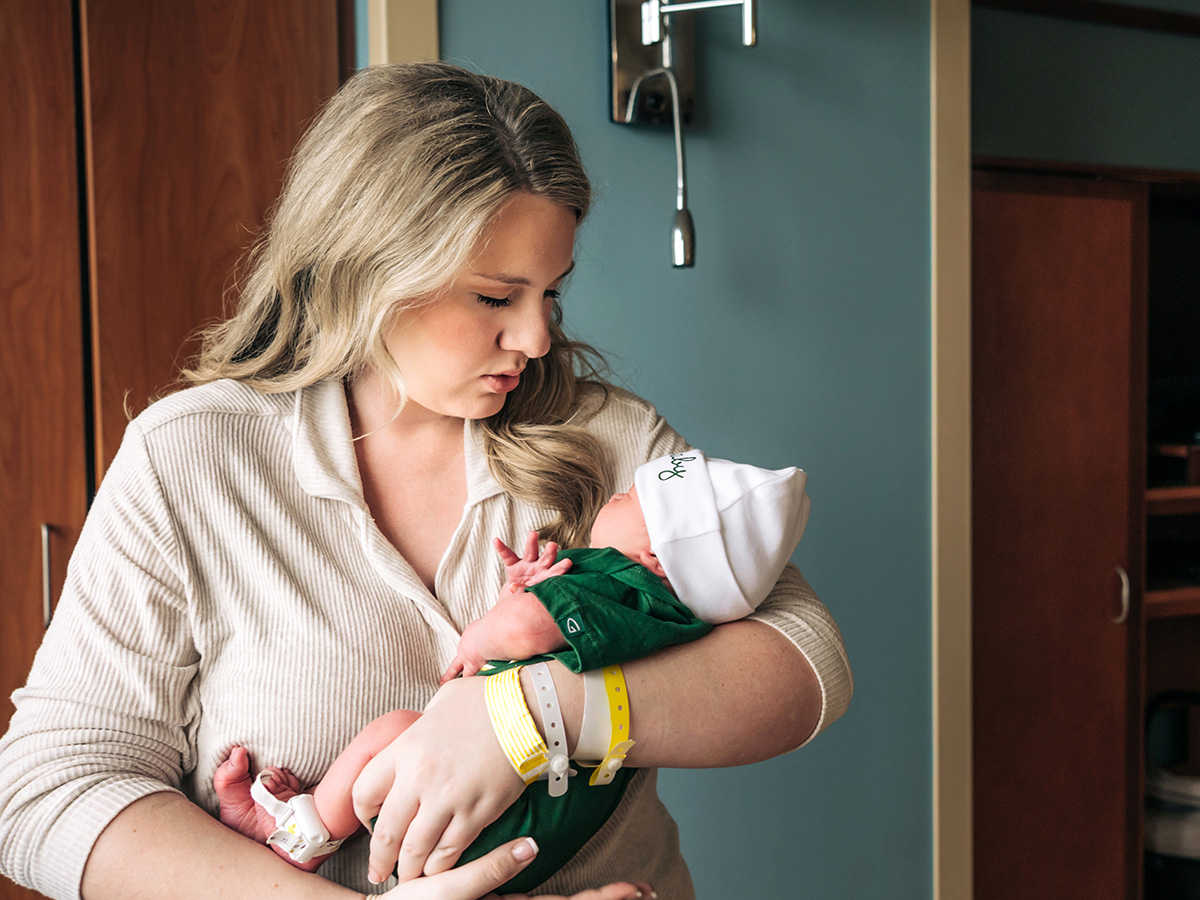 From physical recovery to emotional changes, a UAB expert explains what new mothers can expect during the first 12 weeks after childbirth and when to seek additional support.The first 12 weeks after childbirth, known as the “fourth trimester” or postpartum recovery period, involve significant physical, hormonal and emotional changes. According to Sarah Dunk, M.D., assistant professor in the University of Alabama at Birmingham Department of Obstetrics and Gynecology, understanding these changes can help new mothers distinguish between normal recovery symptoms and signs that require medical attention.
What physical changes should new moms expect?
Recovery begins immediately after delivery, and symptoms can vary from person to person. Common changes include vaginal bleeding, uterine cramping, breast engorgement, fatigue, hair shedding, night sweats and swelling.
“In the first few weeks after giving birth, bleeding will gradually lighten, and as the uterus shrinks back down, uterine cramping can occur,” Dunk said. “New mothers may also experience breast engorgement as their milk supply comes in.”
Hormonal fluctuations can also contribute to physical and emotional changes. Estrogen and progesterone levels drop rapidly within 24 to 48 hours after delivery, while prolactin levels increase to support milk production.
“This is one of the largest hormonal shifts many people will ever experience,” Dunk said.
What are the differences between baby blues and postpartum depression?
Emotional changes are common after childbirth, with up to 80 percent of new mothers experiencing the baby blues, according to Dunk.
“Baby blues tends to peak around three to five days after birth and resolves within two weeks,” Dunk said. “Symptoms include tearfulness, mood swings and feeling overwhelmed — just to name a few.”
However, symptoms that persist beyond two weeks or become increasingly intense may indicate postpartum depression or anxiety.
“Some parents describe persistent sadness, excessive worry or difficulty bonding with the baby,” Dunk said. “If baby blues lasts longer than two weeks, it could be postpartum depression/anxiety and is worth reaching out to a provider.”
New moms can take advantage of mental health resources for mothers available across the UAB enterprise.
How can new moms address breastfeeding challenges?
Breastfeeding does not always come easily, and challenges such as difficulty latching, sore or cracked nipples, breast engorgement, and concerns about milk supply are common.
“A lactation consultant can be helpful and worth consulting if there is pain with feeds, the baby isn’t gaining weight or breastfeeding feels consistently stressful rather than gradually easier over time,” Dunk said.
Seeking professional guidance early can help mothers address feeding challenges and make breastfeeding more comfortable.
How long does it take the body to recover after childbirth?
Although the six-week postpartum checkup is an important milestone, Dunk cautions against expecting a complete recovery within that timeframe.
“Some parents hope to be ‘back to normal’ by their six-week checkup, but full physical and emotional recovery often takes a year or more,” Dunk said.
Rather than focusing on a specific recovery timeline, Dunk encourages new mothers to prioritize their physical and emotional well-being and lean on their support systems.
“Treat rest, nutrition, and support from friends and family as real medical priorities — not just luxuries,” Dunk said. “Don’t wait for a crisis to finally ask for help.”