 Momaya encourages athletes to dedicate time to warm up and stretch properly as Achilles and ACL injuries are common this time of year.One month into the new year, many have committed to new active lifestyles. With consistent activity also come muscle development and the risk of injury. One surgeon from the University of Alabama at Birmingham offers tips on when to utilize hot or cold therapy in muscle recovery and ways to reduce the risk of injury.
Soreness is a common result of consistent and intensive muscle activity. Whether doing cardio or weight training, muscle pain can be a positive sign of the muscles’ growing and strengthening. However, prolonged muscle pain can be a sign of an injury that needs to be investigated.
“There is good soreness and bad soreness,” said Amit Momaya, M.D., chief of UAB Sports and Exercise Medicine, Department of Orthopaedic Surgery. “Fleeting soreness after activity is normal, but consistent pain that is exacerbated during day-to-day usage could be a sign that an injury has occurred and needs to be checked out by a health care professional.”
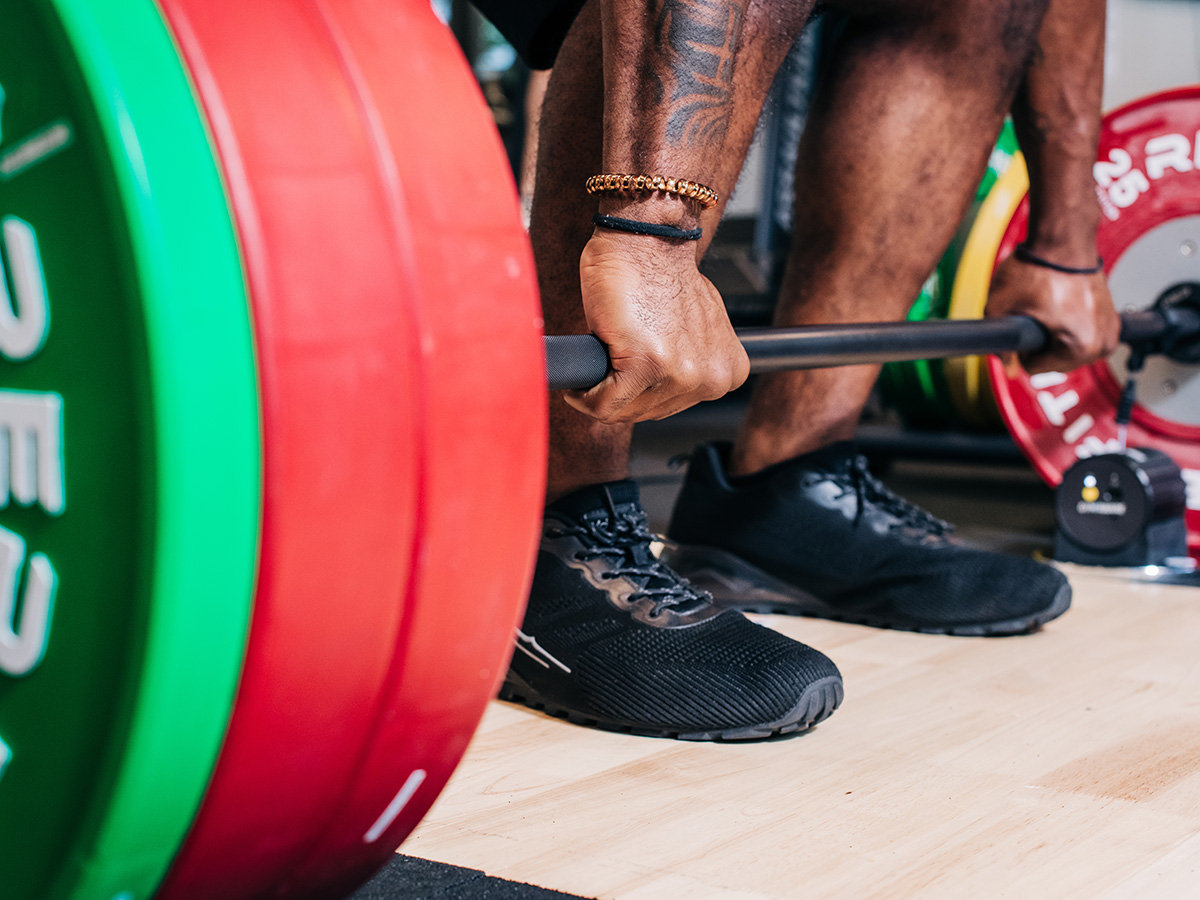
Momaya says to beware of the load placed on the joints, as some activities may result in a greater risk of muscle injury, especially for those who regularly strength train and lift weights.
“It is OK to alter some activities that may put unproductive strain on the muscles,” Momaya said. “Consistency is best when developing a routine, but that routine must be done safely and effectively.”
Poor hydration can weaken the muscles because they are not receiving the appropriate distributed volume needed to perform. This can result in feeling weak and drained.
Progressive overload describes the method of slowly and consistently increasing the exertion of the muscles during activity over time. Doctors believe it is an effective method to preventing injuries while prioritizing exercise.
Momaya emphasized the importance of warming the muscles and stretching before vigorous activity to avoid strain and injury. He says dynamic and static stretching are important in the prevention of injury before and after exercise.
“Dynamic stretching is an active motion in which you take a joint and muscle through their full range of motion,” Momaya said. “While static stretching would be when you hold that specific stretch for a period, which is best for after an activity is completed.”
Momaya says for younger athletes who are involved in competitive sports, adults should make sure to encourage good conditioning skills and ensure that their strength is adequate to decrease the risk of an ACL injury.
“However, for everyone, listen to your body. If you start having calf or Achilles pain, it could be a sign of something more significant,” Momaya said.
Hot vs. cold therapy
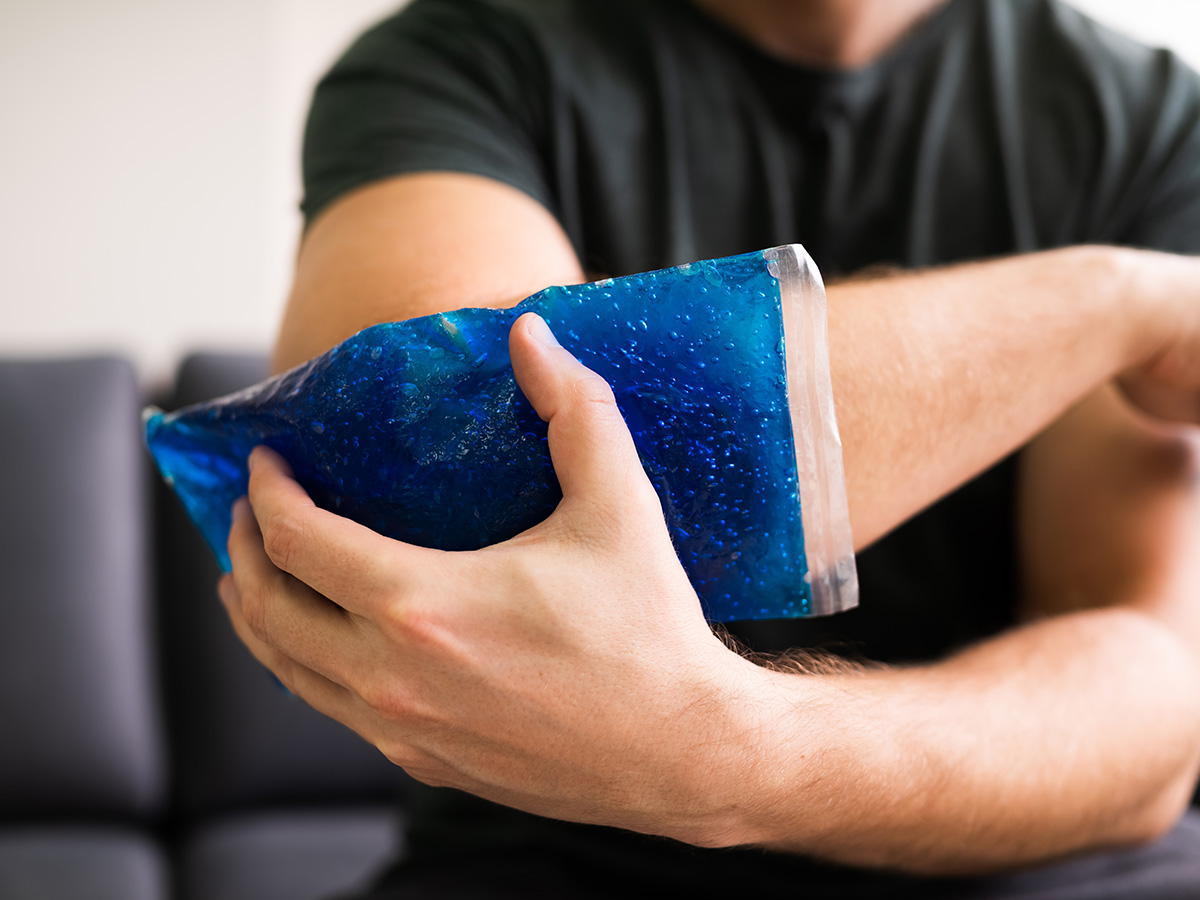 Individuals either new to an active lifestyle or seasoned can attest to the impact felt on the body after intentional activity. However, injuries can still occur even after taking appropriate measures.
Hot and cold compresses are often used to treat muscle pain and injuries. Momaya says heat application to muscles works to increase blood flow. This is best used for muscles and joints that feel stiff, rigid and unyielding.
Cold compresses are best for reducing inflammation and work best on swollen and painful areas.
Even for those who are not following a particularly active lifestyle, hot and cold therapy can be integrated into daily life with showers. While there is controversy around what is better for the body, Momaya says there are productive payoffs to both hot and cold water.
“A cold shower or plunge can help produce a stress response,” Momaya said. “Even a hot shower has its benefits because it can soothe muscle and joint pain.”