University of Alabama at Birmingham (UAB) Researcher Yogesh Vohra, Ph.D., has been awarded a $480,000 grant by the U.S. Department of Energy to investigate the behavior of rare earth metals under extreme conditions of pressure and temperature. The goal is to predict how rare earth metals, used in many applications including cell phones, computer chips, jet engines and defense technology, will behave when subjected to extreme environments.
Vohra, a Professor and University Scholar in the UAB Department of Physics and associate dean in the College of Arts and Sciences, will work with a team using a unique designer diamond technology to test the materials in extreme pressures and temperatures while simultaneously monitoring their electrical and structural properties. As part of the three-year grant, UAB graduate students and postdoctoral scholars supported by the project will receive research training at the Advanced Photon Source located at the Argonne National Laboratory in Chicago and the Spallation Neutron Source located at the Oak Ridge National Laboratory in Tennessee.
UAB’s Vohra Awarded Grant from U.S. Department of Energy to Study Rare Earth Metals Under Extreme Conditions
Announcements
CAS News
May 15, 2013
More News
-
 Meet the 2026-27 CAS Champions!CAS Champions are student ambassadors who serve as leaders within the College and are selected to represent the various disciplines within CAS.
 -
 AI-assisted digital twins for building retrofitsUAB researchers are developing an AI-assisted digital twin platform for building retrofit planning.
 -
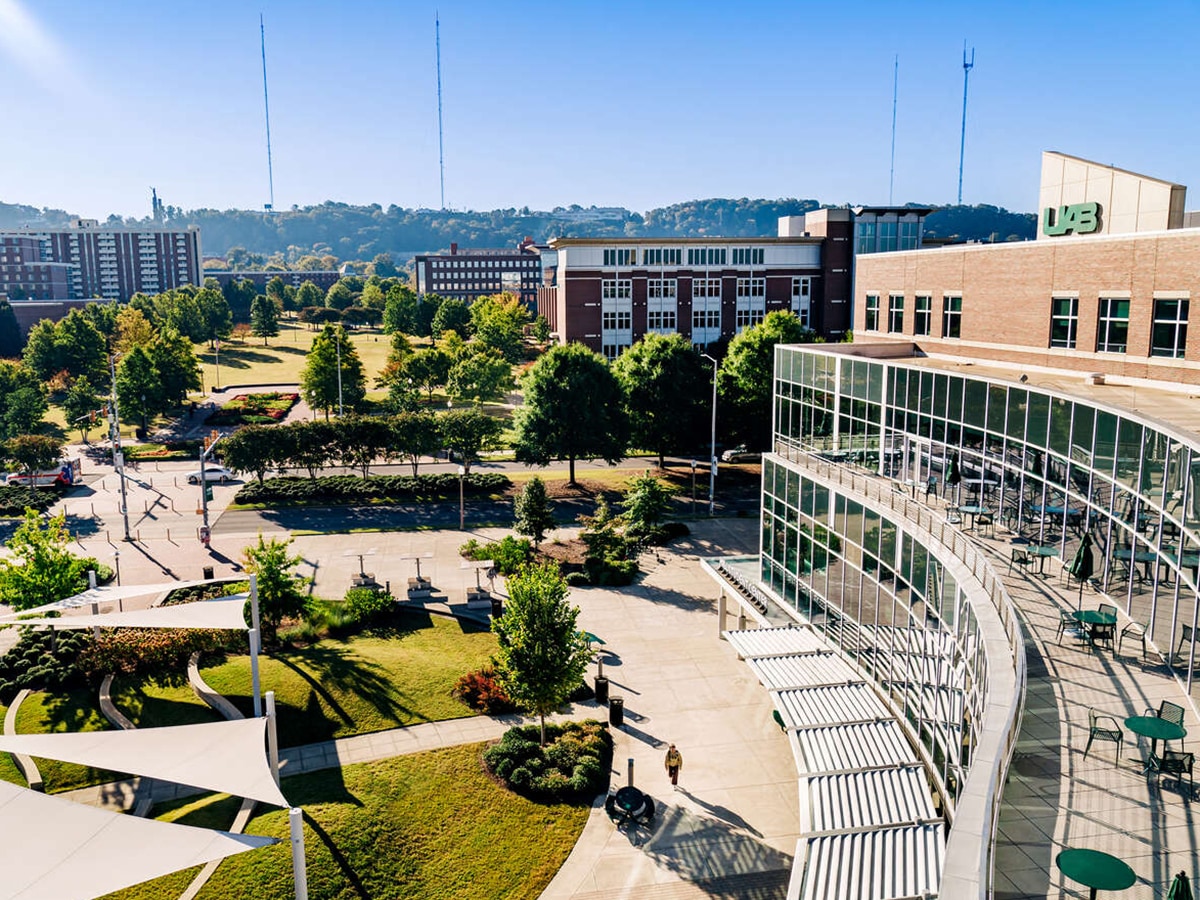 Call for artists: Submit ideas for new outdoor sculpture at UAB through Oct. 22The museum-quality, contemporary public sculpture will be installed outside of the Hill Student Center as part of Birmingham’s Legacy Art Trail honoring local visionary leaders.